

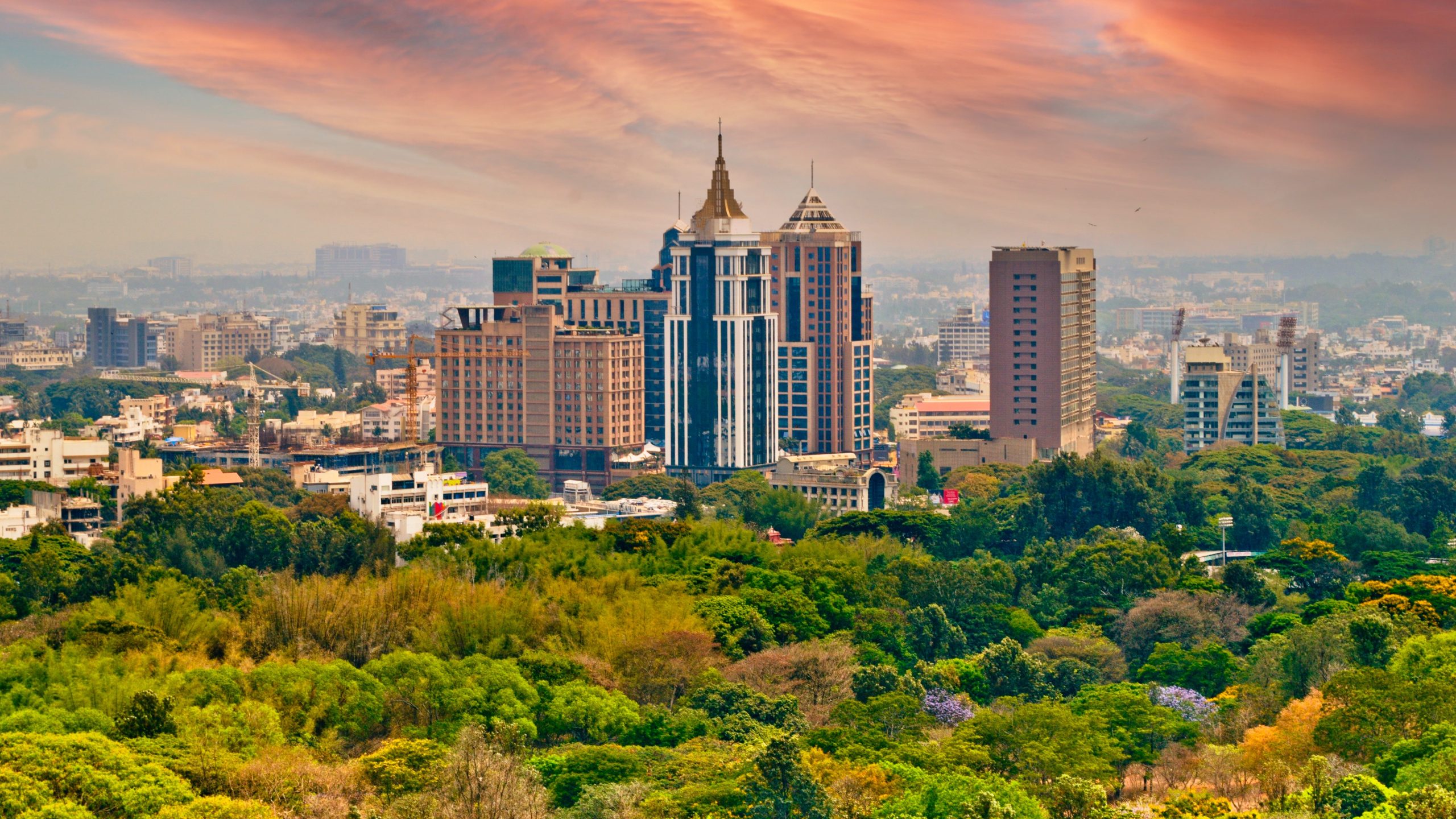
- As we know, rapid urbanisation is the order of the day in line with the aspirations of the Indian citizens who wish not to be left behind in the way the whole global community is witnessing the growth prospects. If not to the levels of other countries, the Indian growth story is no less alluring for the most populous nation aspiring to be counted among the most developed nations by the year 2047. The incumbent Prime Minister wants us to believe we are on track to be there. Yes, for that to fructify, the largely agrarian country must ensure that millions dependent on agriculture are weaned away from it into other critical economic verticals sooner rather than later. What else but to initiate measures to urbanise the rural dwellings in line with the modern-day requirements?
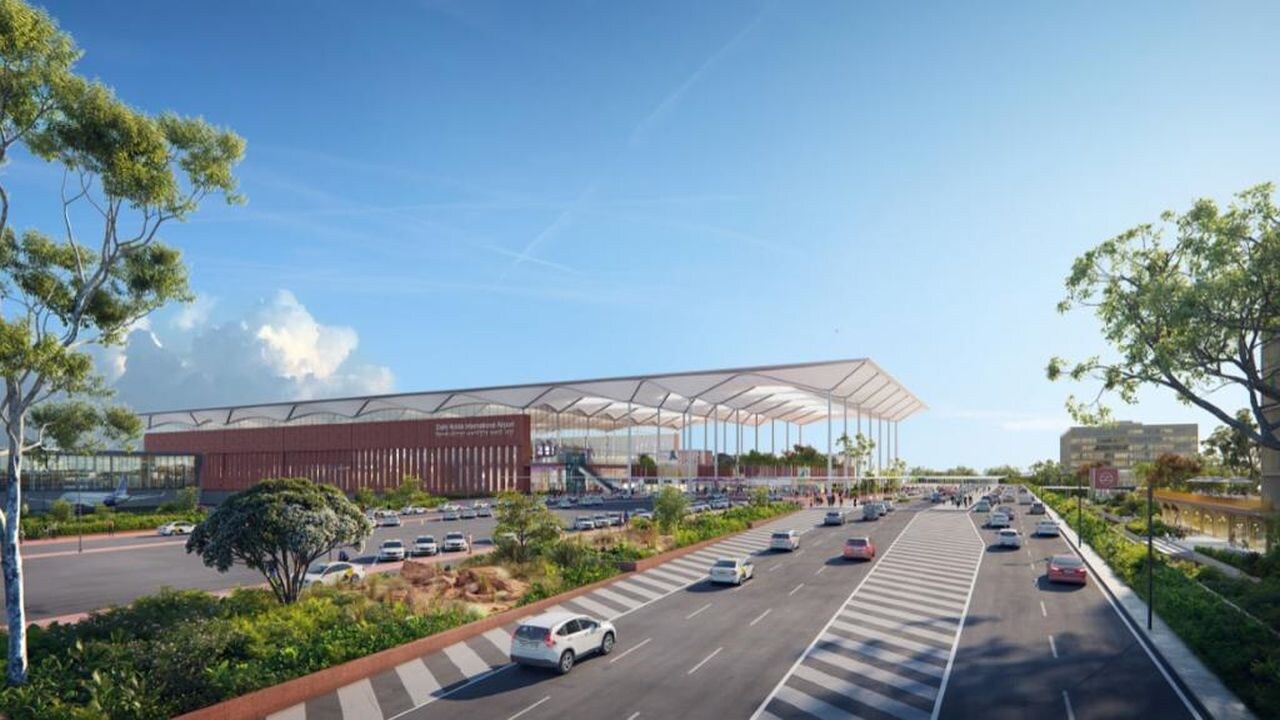
PC: Moneycontrol.com
- Let’s dwelve further to understand the phenomenon. The downside is the birth pangs. Whenever any expansion ventures are initiated in the rural dwellings, expect the concurrent growth of the whole area and its vicinity, with critical economic infrastructure coming up in no time. As reported, Jewar in Uttar Pradesh, India’s newest airport, is the latest in a long list of Indian village settlements suffering the usual birth pangs of town-making. Jewar has made millionaires – dollar variety – of many farmers near Delhi. A few have got more than Rs.20cr for their acquired land, which is $2.1mn at the current rate. And all of them have been living it up. Many car showrooms have sprung up in the region. Premium SUVs, not hatchbacks, are bestsellers.

PC: The Times of India
- As more land is bought for industrial parks and homes in the vicinity, more millionaires will be made. That’s been the boomtown template since Potosi, Bolivia, at least. Silver turned the tiny settlement into a city rivalling London and Paris in the 16th century. San Francisco grew 25-fold during the 19th-century Gold Rush, making many fortunes, including those of Levi Strauss – of jeans fame – and Henry Wells and William Fargo, of the famous bank. Indian boomtowns are different in one crucial way. Instead of gold, silver, or oil, they are founded on the need to urbanise. Be it a highway, power plant, township, or IT park, land is the first requirement. So, landowners, mostly farmers, are the first millionaires. But there’s more than money at stake here.
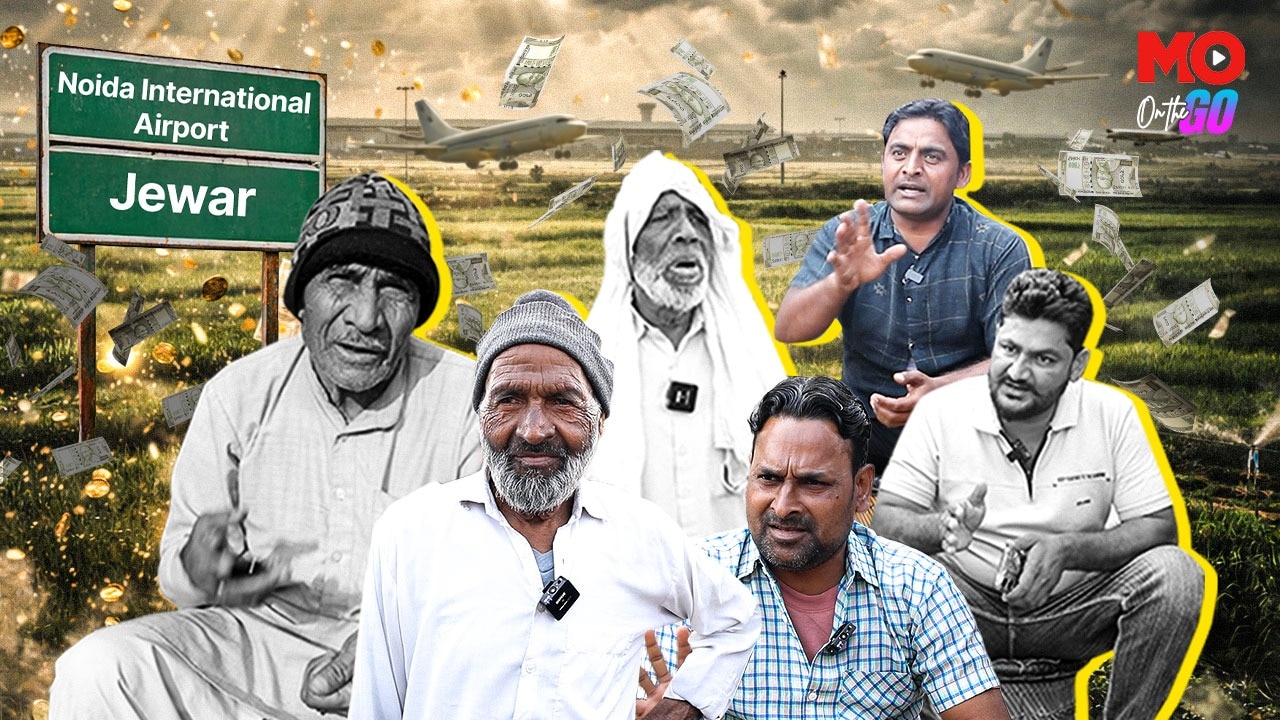
PC: India Today
- Every boomtown is a society in churn. A centuries-old community – the village – is uprooted. Ties between residents severed. Some landowners become millionaires, yes, but their landless tenants are left without livelihood. There’s also the crisis of work. Farmers, enriched but deprived of land, mostly don’t know what to do with themselves. They are now too rich and proud to be factory workers or cab drivers and not qualified for white-collar work. It’s easy to drift then. Imposing SUVs and helicopter weddings become social needs when family status passed down with land is lost. Studies show that farmers whose land is acquired struggle to blend in white-collar neighbourhoods, despite their wealth. Town-making is not easy, but inevitable, you see.