

- As we know, the global community around the world has witnessed tremendous developments vis-à-vis innovations, inventions, initiatives, and growth prospects on the back of cutting-edge technologies, especially everything related to digitalization, in the last couple of decades. Such is the dynamic nature of the information-technology-driven computing initiatives that not a day passes without something new coming into the fore. The quantum jump witnessed in the regenerative artificial intelligence (AI) is the latest buzzword that has been wholeheartedly embraced by the universe to derive maximum benefit for humanity. This is where the usefulness of the semiconductor chips assumes greater importance. Where does India stand in all this?
PC: Hürriyet Daily News
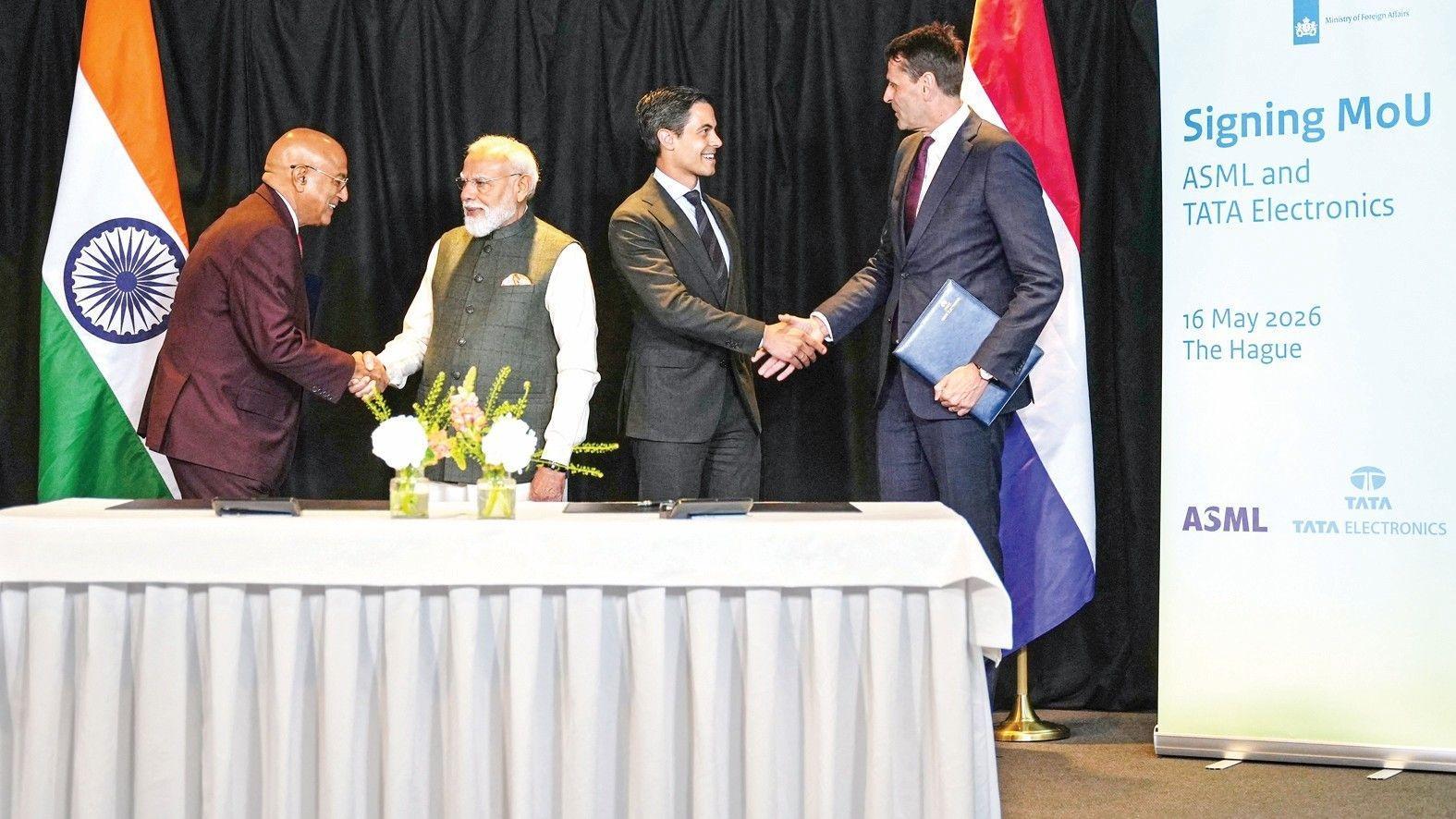
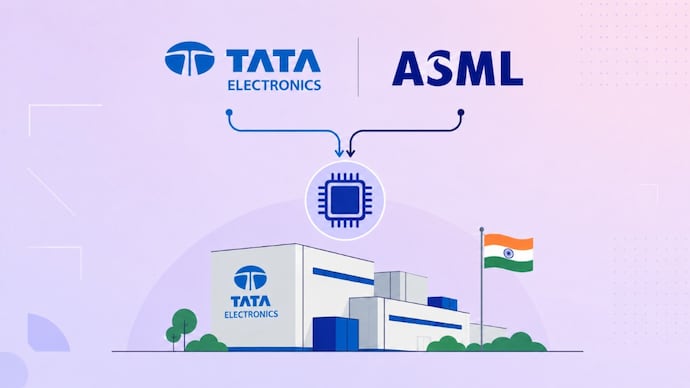
- Undeniably, the Indian skillset in the form of producing engineering talent to harvest and harness the latest technology has been duly acknowledged. However, on its own, the Indian footprint in manufacturing these advanced technological wonders is not on expected lines. Welcomingly, with the latest Tata-ASML deal, India is finally getting into chip manufacturing, and in a big way. Mind you, it won’t be long before semiconductors, or chips, sold in a year are worth more than oil. Recently, TSMC, the world’s largest chipmaker, said annual chip sales could touch $1.5tn by 2030. How many might be made in India? A few days ago, the answer would have been a clueless shrug. Now, after the agreement between Tata Electronics and Dutch firm ASML, it’s fair to say we’ll be a significant player. That’s a big jump indeed. Truth is, we are big players in chipmaking already.
PC: India Today
- Only, not in the most obvious way, which is to manufacture the chips themselves. Our tech talent has a big role in the brainy job of chip design. By most estimates, 20% of the world’s chip design engineers are Indian. Early this year, Qualcomm acknowledged the contribution of its Indian team in the making of 2nm chips – currently the most advanced. We’ve also become big players in the back-end tasks of testing and packaging chips made by others. Two years ago, we were ranked the third most attractive destination for these tasks, behind Taiwan and Malaysia. The Tata-ASML deal, however, puts us on the road to actual chip manufacturing, the front end. ASML, if it’s slipped attention, is the only manufacturer of machines that print out circuits on silicon wafers.
PC: the economic post
- Of course, each of which costs a few hundred million dollars. And Tata plans to invest $11bn in its brand-new chip factory at Dholera, Gujarat. But it won’t make headline-grabbing 2nm chips, or even the 4nm type that’s a smartphone staple now. Instead, it will make workhorse chips of sizes ranging from 28nm to 110nm. That’s not a bad thing, because the bulk of chip demand is for these mature types that have been around for years. These older generation chips cost a few dollars each now, but are indispensable in cars and industrial equipment. Their shortage can jam assembly lines. The fact that Tata has chosen to use 300mm wafers, rather than 200mm, to fabricate chips shows it’s aiming for scale. This move augurs well for the country, saving billions of forex.