

- It’s fascinating to comprehend how human psychology functions when it comes to matters of emotions. And mind you, there are subtle and not so subtle human emotions which can be further categorized as a few that are easily comprehensible and some not so easily decipherable. As we are fed on historical occurrences of the past, innumerable instances of betrayal also portray an emotional aspect of humankind that tends to veer towards bracketing as totally uncalled-for. Of course, there are strong emotions that cannot be brushed aside for the significance associated with events of greater importance. Again, history is replete with instances of betrayals that have completely altered the subsequent viewing of figures still remembered to this day.
PC: News18
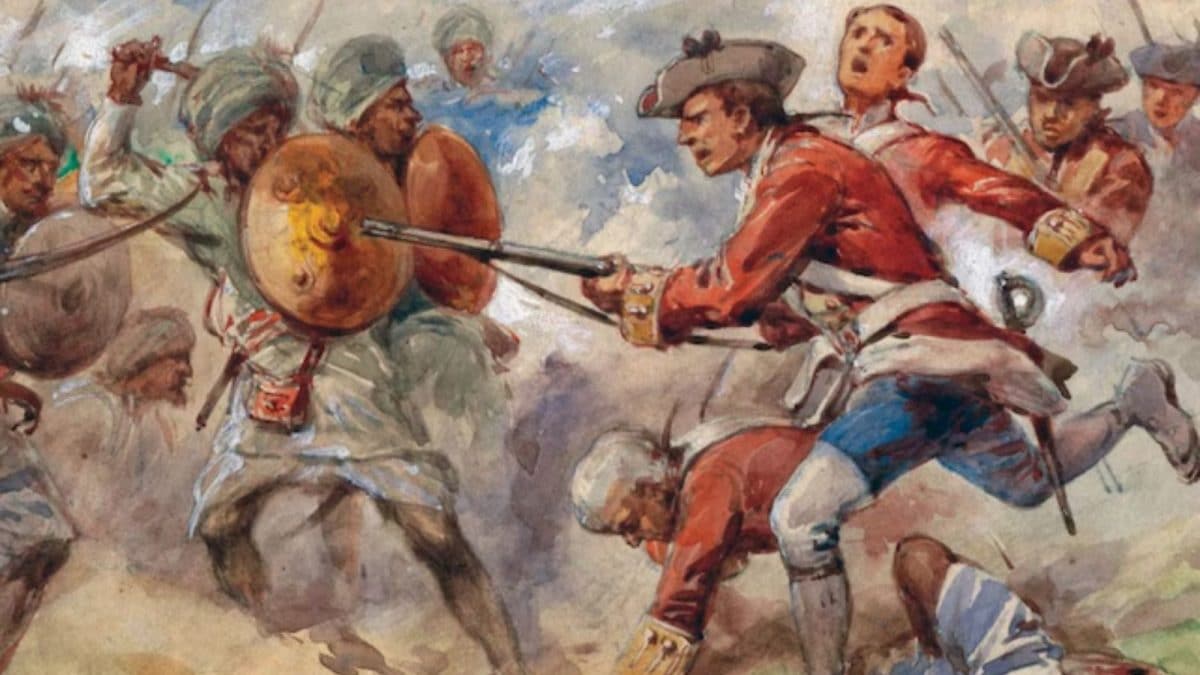
- Looking back will reveal that some of the historical figures are known to be diabolical, greedy, and scheming, betraying the cause of the nation to enemies for favours of various kinds. As such, some of the known villains of history, like Mir Jafar, Quisling, and Judas, just to name a few, immediately ring a bell in our collective psyche for the monumental betrayal marring an entire generation and the subsequent one’s big time. They haunt us even now. Take, for instance, Mir Jafar, the commander who betrayed the Bengal Nawab at the Battle of Plassey. That was in 1757. Still, the phrase Mir Jafri Karna continues to mean, to date, to act as a traitor. As disenfranchised voters appeal before tribunals, it must seem to many that they, too, are being Mir Jafar-ed. By their own.

PC: YouTube
- Across cultures, some names live on and on, as synonyms of betrayal. It’s not so much because these betrayals were the most consequential, as because they felt the most personal – a trusted insider crossing to the enemy. That psychological wound is what makes the betrayer’s very name immortal, as an insult. As the crucial state assembly electioneering in West Bengal kicks off, the name-calling comparing Mir Jafar to politicians has commenced, too. It’s a popular pastime for our political leaders. In Europe, Quisling does the same job as the Norwegian Nazi collaborator. It seems to be the driving theme of history overall, with empires often falling to internal treachery. It’s also at the heart of every moral tradition.
PC: ABC News
- We know that the Mahabharat is essentially a meditation on loyalty and betrayal within a family. There is Judas in Christianity, and munafiquns in Islam. The underlying motif is betrayal. Faiz’s Subh-e azadi, written during Partition, is an anguished reflection on Independence betrayed. Enron, Lehman Bros, Bernie Madoff…the business world, too, is littered with unforgettable Judases. They continue to haunt us. Because betrayal hits different from other negative experiences. It breaks the central social covenant: Trust. That’s what family, tribe, nation, friendship, faith, and even workplaces are built on. Indeed, we are not built to be betrayed by those we trust. However, the world is not ideal, you see. Expected the unexpected, always.