
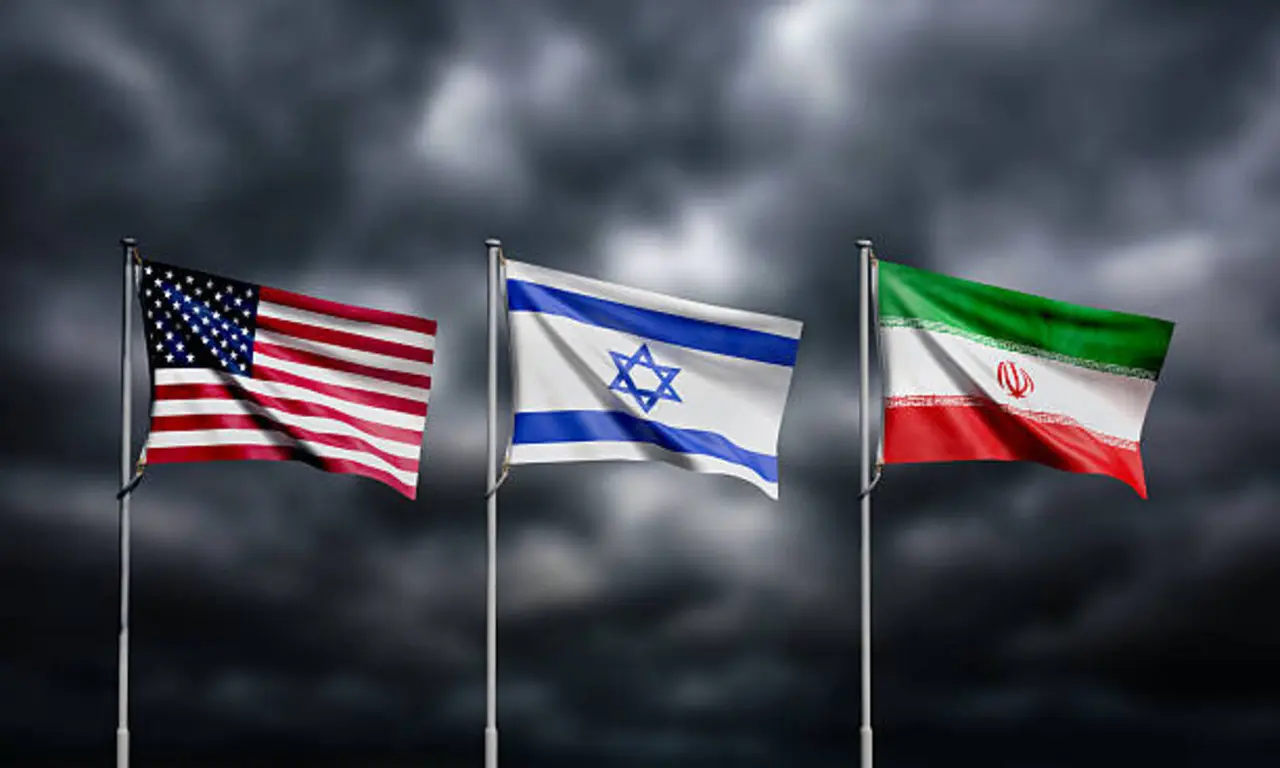
- The ongoing US-Israel-Iran conflict will be completing two months when you happen to read this article. However, amid widespread destruction, loss of lives and property, unmitigated disruptions in the day-to-day functioning, and uncertainty surrounding the conflict’s trajectory, have we wondered what must be going through ordinary citizens of Iran who are directly affected by the sad events? Notably, it’s the ordinary and common citizens on the ground who would be bearing the brunt of the destructive forces targeting them with impunity. Despite the global community condemning the ill-advised and irrational move enforced by the extremely unpredictable Donald Trump, the aimlessly meandering along conflict has only added to the frustration all around.
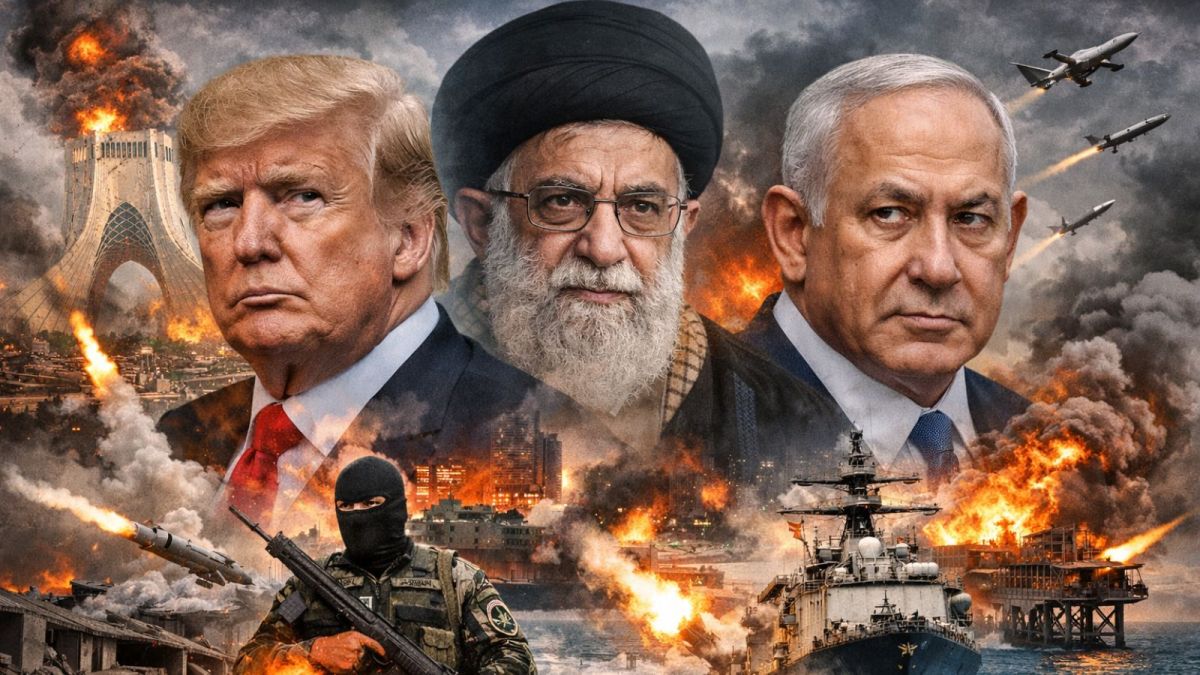
PC: The Indian Express
- While the leadership from both sides deliberates about peace talks to halt the destruction and usher in some semblance of normalcy, the ordinary citizens are made to endure tremendous hardships. With negotiations to end the Iran war in limbo, there is much speculation about the status of the Iranian regime. Are there cracks, or is the regime holding firm? More importantly, what do ordinary Iranians really want? Battered by the conflict, is there now a rupture between Iranians and Ayatollahs? Or, has the regime solidified further? Answers to these questions are complex. But in What Iranians Want: Women, Life, Freedom, author Arash Azizi, suggests that Iranian civil society may have already crossed a threshold.
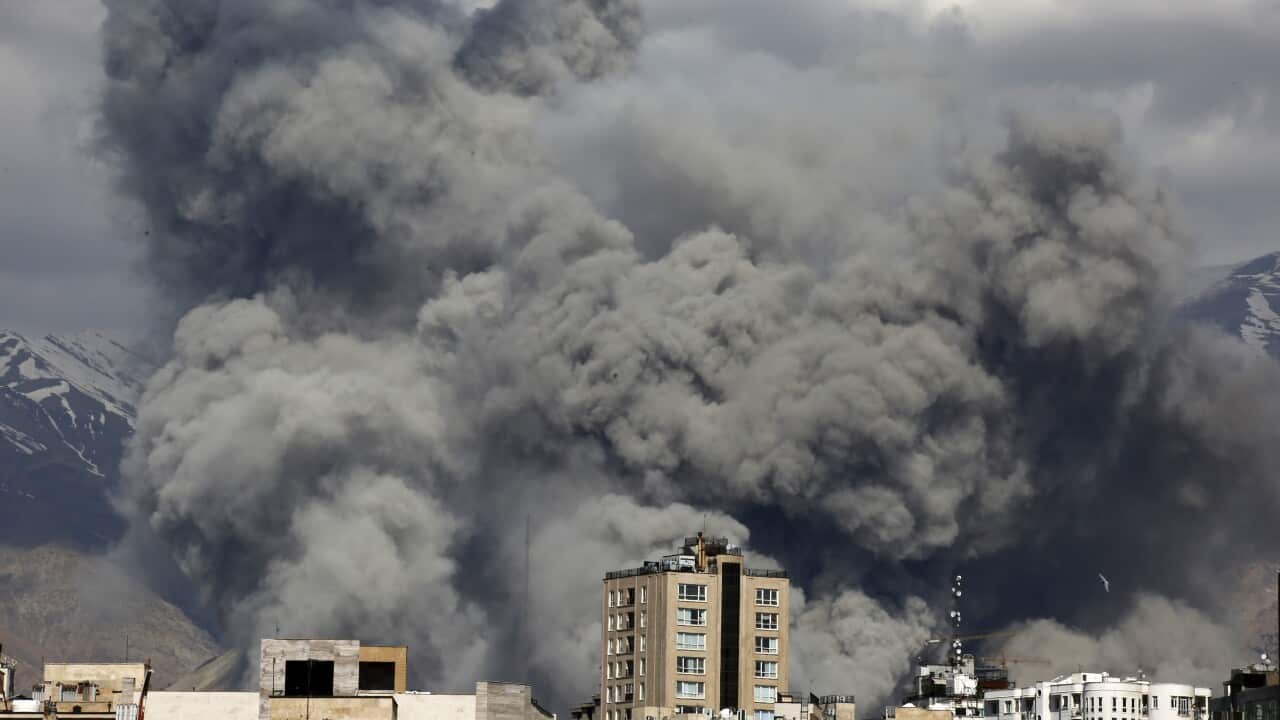
PC: SBS
- For it would be a mistake to view the nationwide anti-regime movement, which was sparked by the 2022 death of Mahsa Amini at the hands of Iran’s morality police, as an isolated event. Neither was it just about the hijab, which Mahsa was accused of improperly wearing. It was a coming together of multiple forces, building up for four decades, since the 1979 Islamic Revolution. The hijab issue has been a point of contention since 1979. Back then, Ayatollah Khomeini had made clear his views on the Islamic dress code for women. The diktat was met with stiff opposition, especially in Iran’s urban centres. Many secular and Left-leaning Iranian activists, who had also opposed the Shah, made their displeasure clear about Khomeini’s obscurantist views.
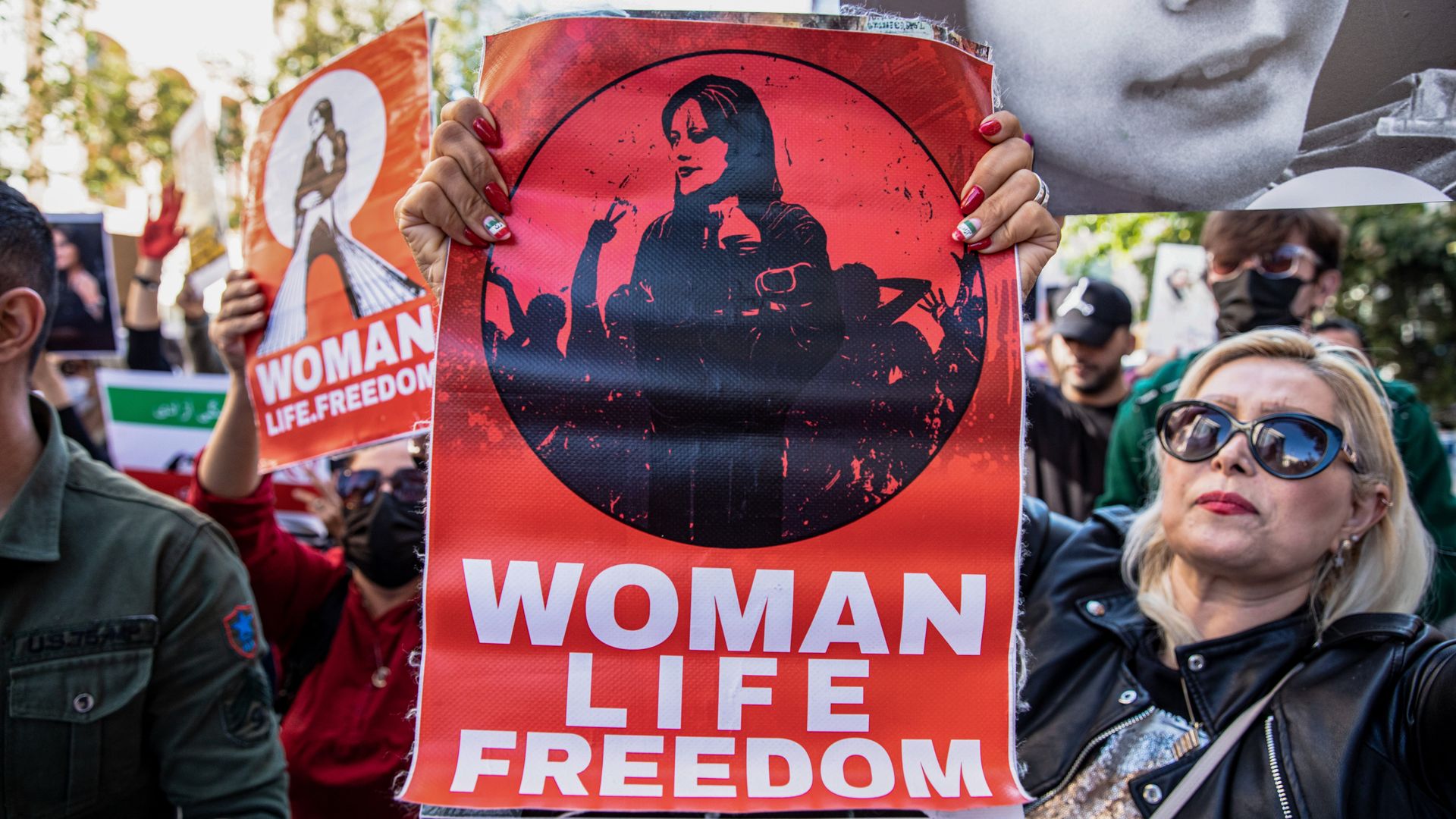
PC: Axios
- But, despite these protests, the anti-hijab movement was largely viewed as a side issue. Iranian women, throughout the decades, resisted the hijab in their quiet way. Mahsa’s death became an inflection point, says the author, because it drew in people from all walks of Iranian life. People from all walks of life were voicing their opinions, unequivocally mentioning that enough is enough. So, has the US-Israel war against Iran strengthened the anti-regime movement or helped the regime? Given the regime’s multiple and growing domestic problems, perhaps this conflict is exactly what the Ayatollahs wanted and had prepared for. Unfortunately, ordinary citizens, and especially women, will continue to bear the brunt of the hardships as is their wont.