

- Reflect on when we were growing up during the pre-internet/digital/OTT/social media world, where the conventional day-to-day living was wholesomely embraced without the paraphernalia associated with the modern-day, technologically driven world. Of course, humanity must be deeply grateful for the mind-boggling innovations, inventions, advancements, developments, and growth witnessed in the last few decades that have made our lives so comfortable and convenient. However, what we term as an inalienable part of the present-day world, defined by the technically brilliant applications/solutions offering its innumerable options without breaking a sweat, what cannot be discounted is the old-world charm of yore. Let’s contemplate this further.

PC: Deccan Herald
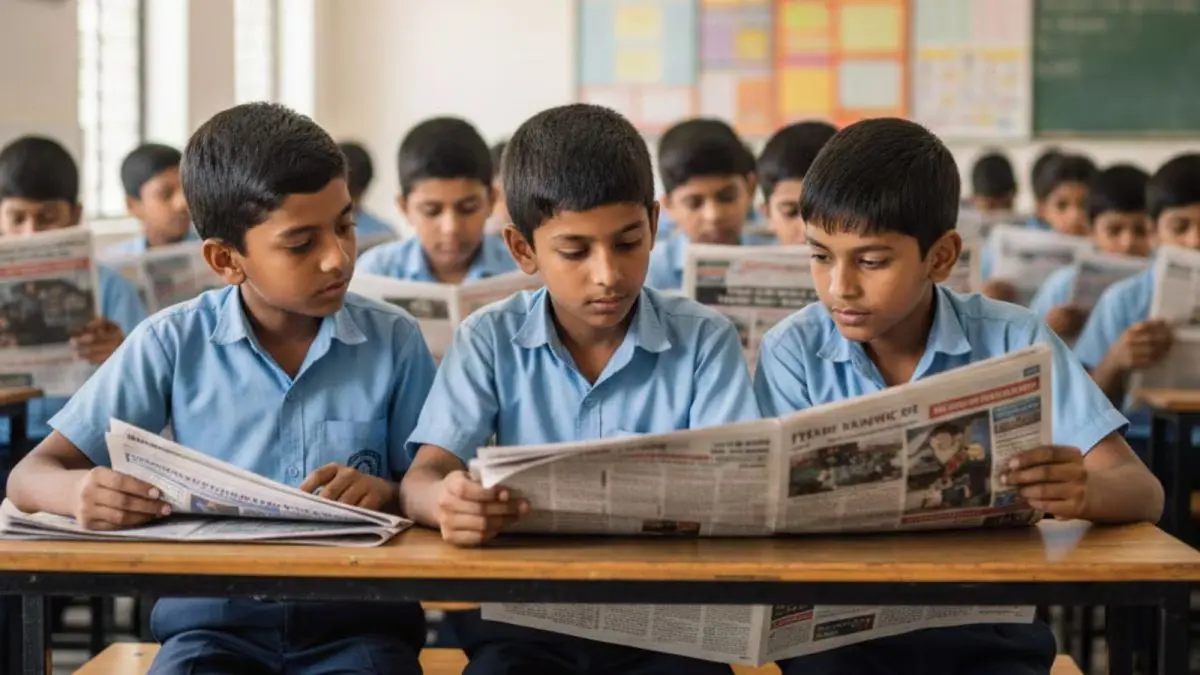
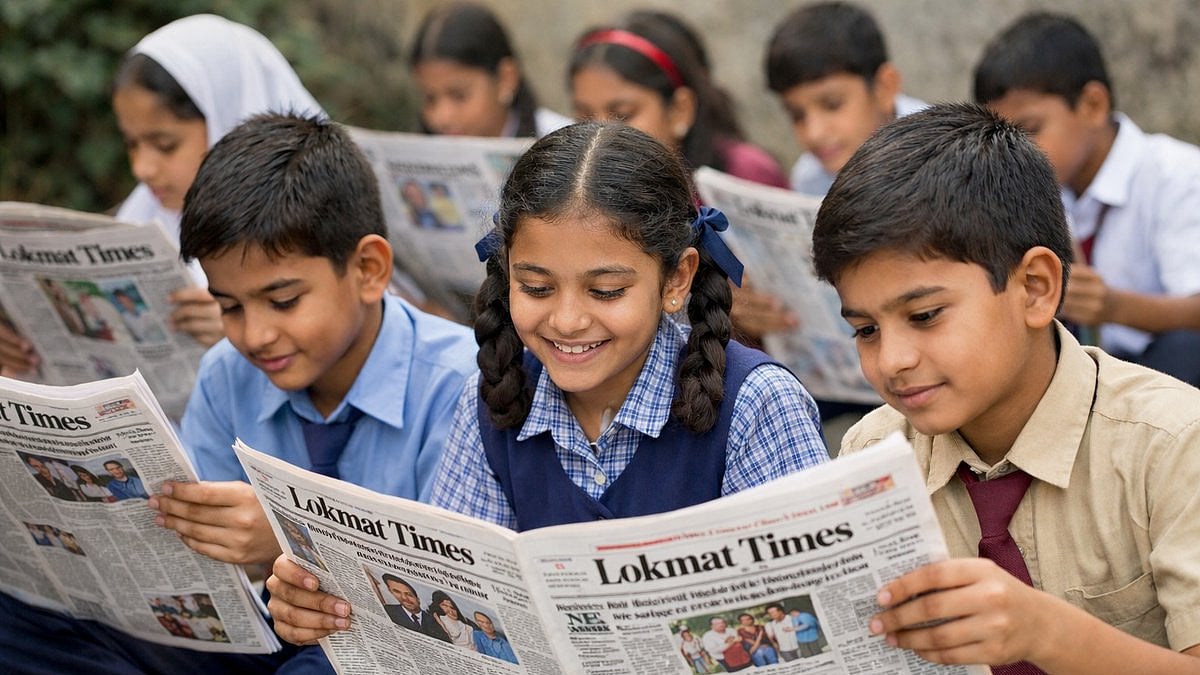
- Especially with the advent of digitalization overpowering our learning processes in a big way, the conventional methods of reading newspapers, books, articles, and even education have metamorphosed into an entirely different spectrum altogether. Smartphones have become so ubiquitous that we no longer desire the requirement of reading even a newspaper, which was once considered essential for holistic growth while studying in school. Those splendid practices gradually gave way to digital screens with fantastic features offering an entirely different pedagogical experience. Thankfully, governments are now recognizing newspapers can naturally nourish young minds. Here, the parents too must do their bit to sustain the practice.
PC: Fact Net
- For the uninitiated, the Karnataka government’s recent directive asking schools to begin the day with newspaper reading echoes a sensible idea whose time has returned. Mind you, reading does more than fill time; it chisels the mind. It sharpens comprehension, strengthens memory pathways, and nudges young brains towards deeper, conceptual thinking. A newspaper adds another layer to this discipline. It is a daily window into the world, compact yet expansive, offering students a guided tour through events, ideas, and realities that shape their lives. Cultivated early, this habit enriches language skills, broadens awareness, and steadies attention in an age of distraction. That steady influence is urgently needed before it’s too late.

PC: Free Press Journal
- We know today’s children swim in a relentless digital current, where doomscrolling and social media excess have been linked to rising anxiety, depression, and fractured sleep cycles. Sleep, the quiet architect of growth, often becomes collateral damage. It is no coincidence that countries like Australia, Denmark, and France are tightening access to social media for younger users. Yet restriction alone is a blunt tool. A more elegant solution lies in substitution: replace passive scrolling with active reading. Newspapers, with their elegant rhythm and reliability, can anchor that shift. They also serve as a safeguard in an era where algorithms often amplify noise over truth. Teachers and parents must act in concert, not as enforcers, but as examples. A child who sees reading will read. Let’s make concerted efforts at setting the precedent by picking a newspaper.