

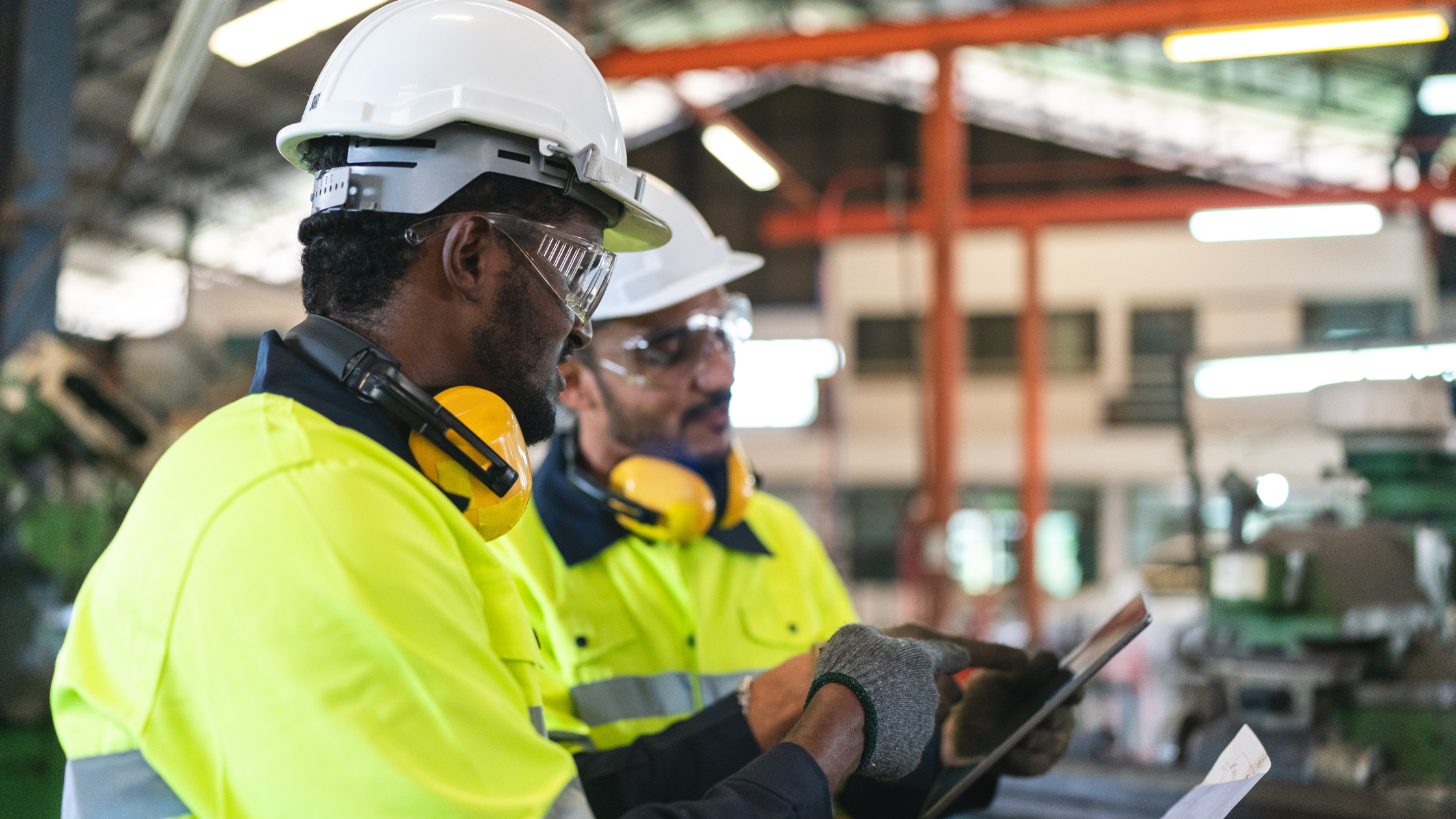
- One of the most basic and uncompromisable aspects while setting up any business/economic entity is to ensure that safety/security is accorded top-most priority. The standard operating procedures for factories, manufacturing units, government/private offices, educational institutions, transportation of various kinds, and, in general, where more people are expected to gather, must be endowed with a comprehensive safety protocol. Mind you, ensuring the safety and security of employees is the fundamental requirement that every employer must adhere to. Unfortunately, more often than not, in India, the safety aspect is accorded least of the priorities leading to incidents where precious lives are lost.

PC: Al Jazeera
- The factories across the country are often in the news for all the wrong reasons, simply because of the failure of the authorities to enforce strictures vis-à-vis safety compliance. Why are India’s factories so dangerous? Need not look far for understanding the reasons. People who can make them safer aren’t bothered at all. It goes without saying that going to work shouldn’t feel like going to battle; that’s the truth of India’s factories. In just over a week, more than 60 workers have died in three major explosions. Such news would jolt any sensitive nation to seriously introspect and improve without much ado. Sadly, that’s not the case here. We simply indulge in the by now familiar platitude-filled announcements and move on. Who cares about the lives lost?

PC: LinkedIn
- Note that Italy’s Seveso leak in 1976 laid the foundation for the entire EU’s industrial safety programme. Between 2019 and 2022, industrial accidents across the EU averaged 22 a year. In Korea, the CEO of lithium battery maker Aricell was only recently sentenced to four years in prison for a factory blast that killed 23 workers. We have become calloused, however. Last week’s boiler blast and firecracker factory explosions in TN and Kerala shock us no more than bus fires that kill hundreds a year, and road accidents that kill 1.8L a year. We have normalized risk. When the Kerala cracker unit exploded, a shoe factory in Delhi was also ablaze. Our capital has been the scene of some of the deadliest factory accidents, such as the 2019 fire that killed 43 sleeping workers.

PC: India Briefing
- That’s the micro sector, but what do we say when a brand-new HPCL refinery, awaiting inauguration, goes up in flames? Two things are clear. One, life’s cheap in our eyes, so factories without fire exits, overloaded electrical systems, and poorly maintained boilers are all around us. Also, hazardous chemicals are stored without safeguards. How can we forget Bhopal? Two, the vigilance system is broken. In 2020, Delhi had only one inspector for every 973 factories. The auto ancillary industry is notorious for accidents that cost workers hands and fingers, yet data shows a sharp drop in inspections from 2012 to 2020. We can’t solve a problem if we refuse to see it. There are reasons why the ILO calls India the most dangerous country for workers. We should act now.