

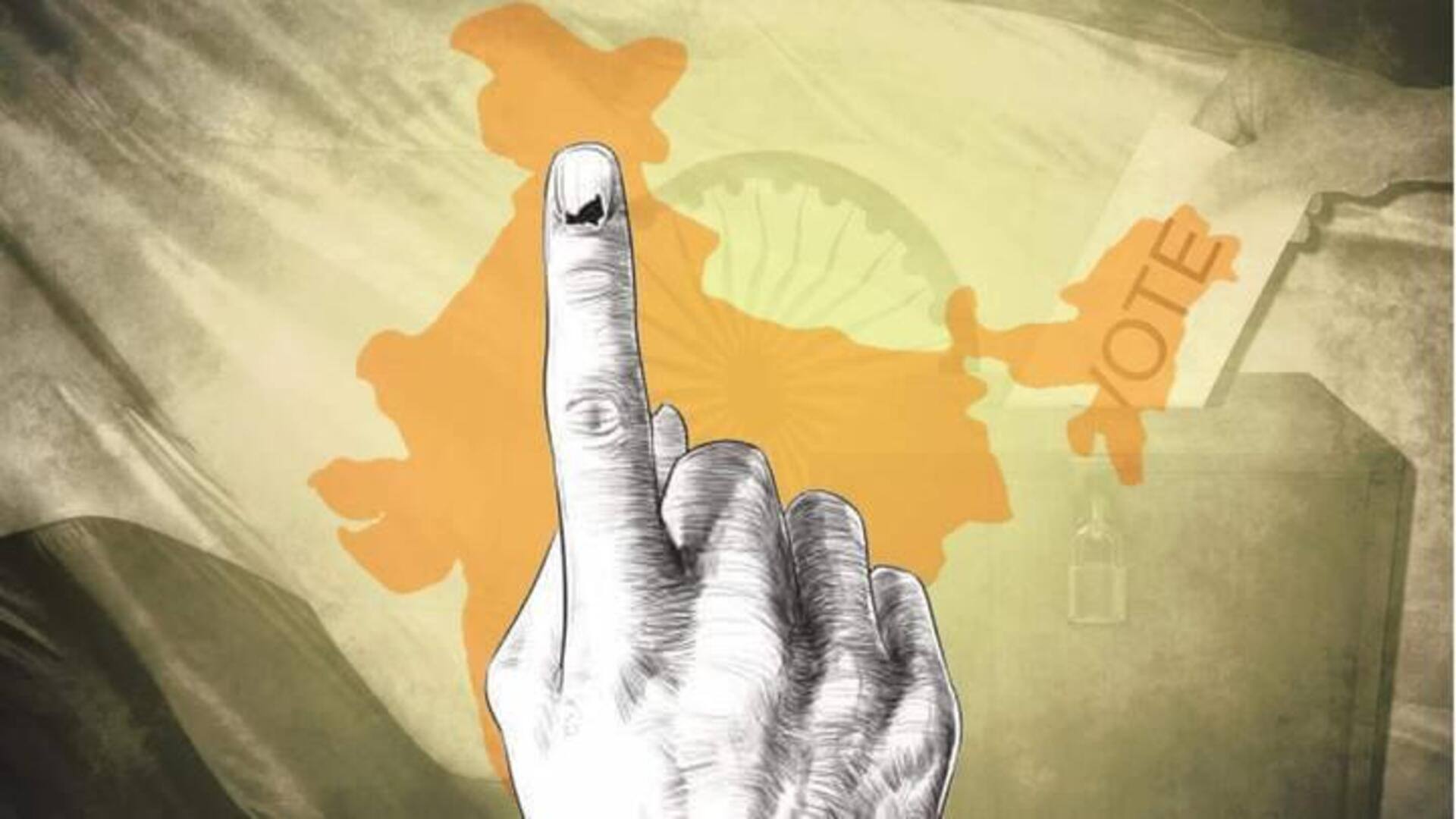
- The Indian citizens know everything about elections is stating the obvious. Why so? Since the country is in election mode almost round the year, courtesy of one or the other election underway. It could be state assembly polls, by-elections, municipal/corporation, panchayat, and Rajya Sabha/Council polls; the Election Commission of India (ECI) would be found directing the smooth conduct of the same in a fair, free, and peaceful manner. Due credit should be accorded to ECI for ensuring every election is conducted laudably. Of course, the Indian political system comprises various political parties with different ideologies/philosophies, with communal versus secular narration taking centre stage. And add to the mix, the labyrinthine caste equations.

PC: Live Law
- We are all too familiar with the happenings surrounding the political parties and the election to miss anything substantial. The polarization within society perpetrated by caste-based politics is also quite apparent. While the subject matter makes for interesting reading since the Indian voters’ apathy for voting in large numbers is well documented, especially among people living in urban dwellings, the Supreme Court’s mulling over compulsory voting definitely deserves serious thinking. There is a hitch, though. The Indian Constitution calls voting an entitlement, and hence cannot be compulsory. Recollect how two years back, about 65cr Indians voted in the Lok Sabha polls. That turnout was more than the combined populations of the US and Indonesia.

PC: Vartha Bharathi
- Revealingly, it was only 66% of India’s 98cr-strong electorate at the time. That means one of every three registered voters stayed away. Nobody disputes that bigger turnouts – approaching 100% – would make our democracy more representative, but is compulsory voting the way to reach that goal? This idea has been discussed and rejected in Parliament several times over the past 75 years. So, it’s noteworthy that CJI recently said that there’s a need to issue some kind of compulsory but not harsh mechanism to ensure that people go and vote. Prima facie, the topic doesn’t appear to be that simple in a democratic setup where individual choices cannot be forcefully curtailed. This begs the question, can even such a mechanism be introduced by Parliament yet again at all? No.
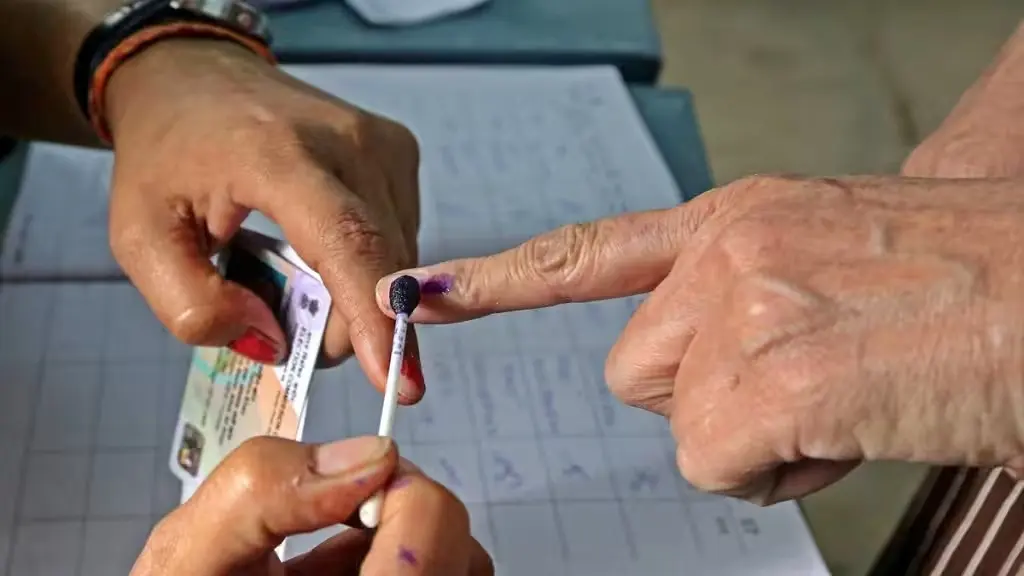
PC: Republic World
- Mind you, voting in India has always been a right, never a duty or obligation of the citizen. We can vote, we should vote, but we don’t have to vote. The Constitution calls it an entitlement. Compulsory voting doesn’t jell with that promise. Let’s look at it another way. If voting is an expression of a citizen’s will, it must be protected by the freedom of expression, which includes the choice to remain silent or abstain. That is, not vote. Indian voters have a distinct challenge. Almost 28cr migrants were unable to cast votes in 2014 because they were working far from their home states. Instead of making voting compulsory, India needs to remove these hurdles by enabling migrant voters to exercise their franchise. The turnout will automatically jump.