
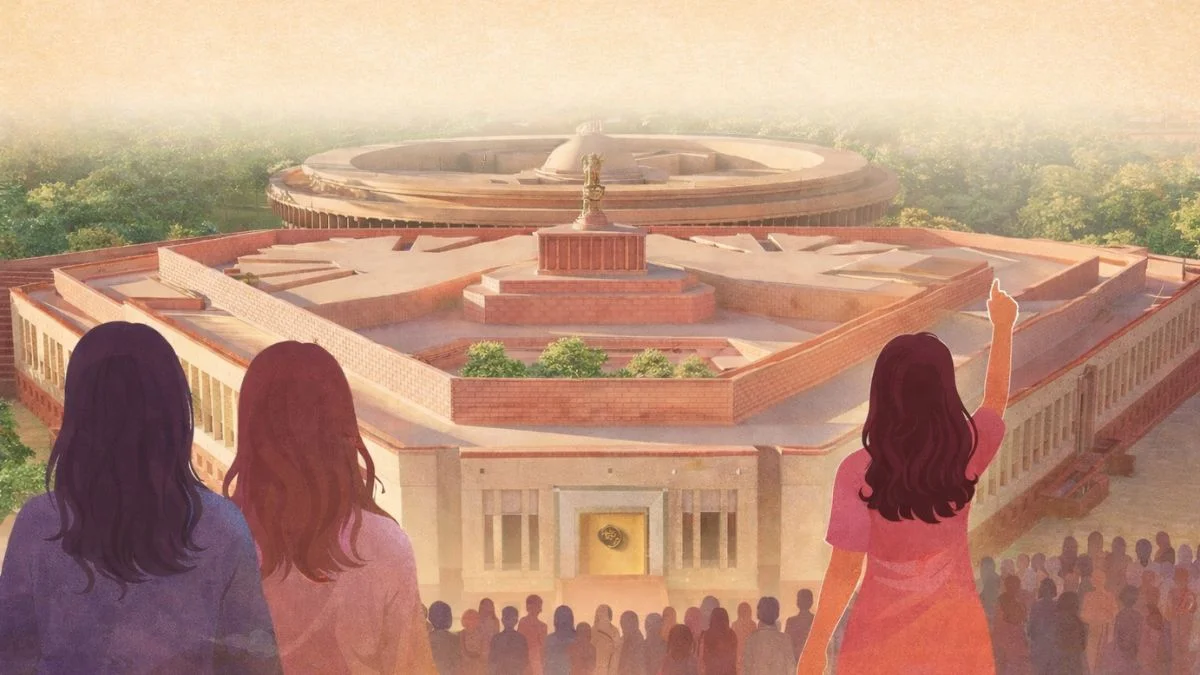
- At the best of times, the Indian political parties and their leaders will be found to be at loggerheads on every matter of substantial interest is stating the obvious. Since the Bharatiya Janata Party has assumed office at the Centre, the polarization of society along caste lines, beyond the usual communal and secular narratives, has only widened the divide between the treasury and the opposition benches. While the jury is still out on the outcome of the one-upmanship, suffice it to say that the ruling dispensation and the opposition would leave no stone unturned to ensure the assiduously built vote banks are not only further consolidated but also added to the armoury. The political brownie points are too alluring to let go just like that, you see.
PC: Organiser
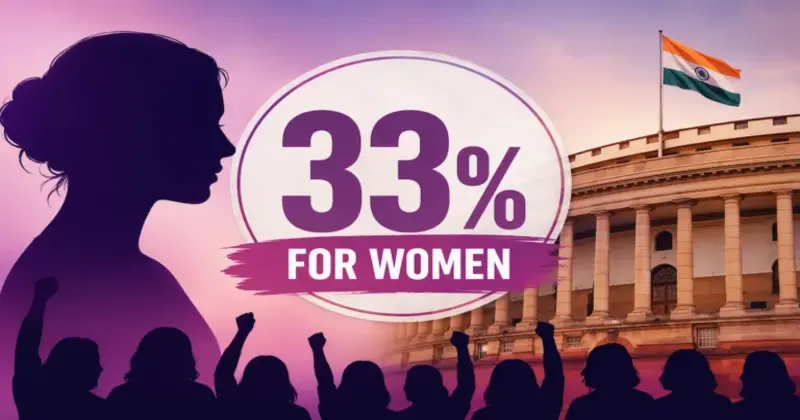
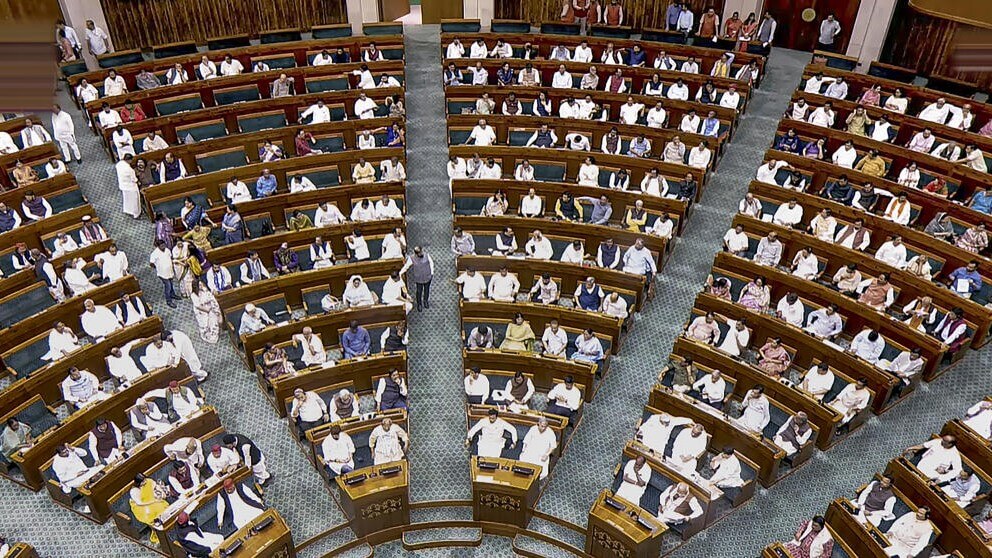
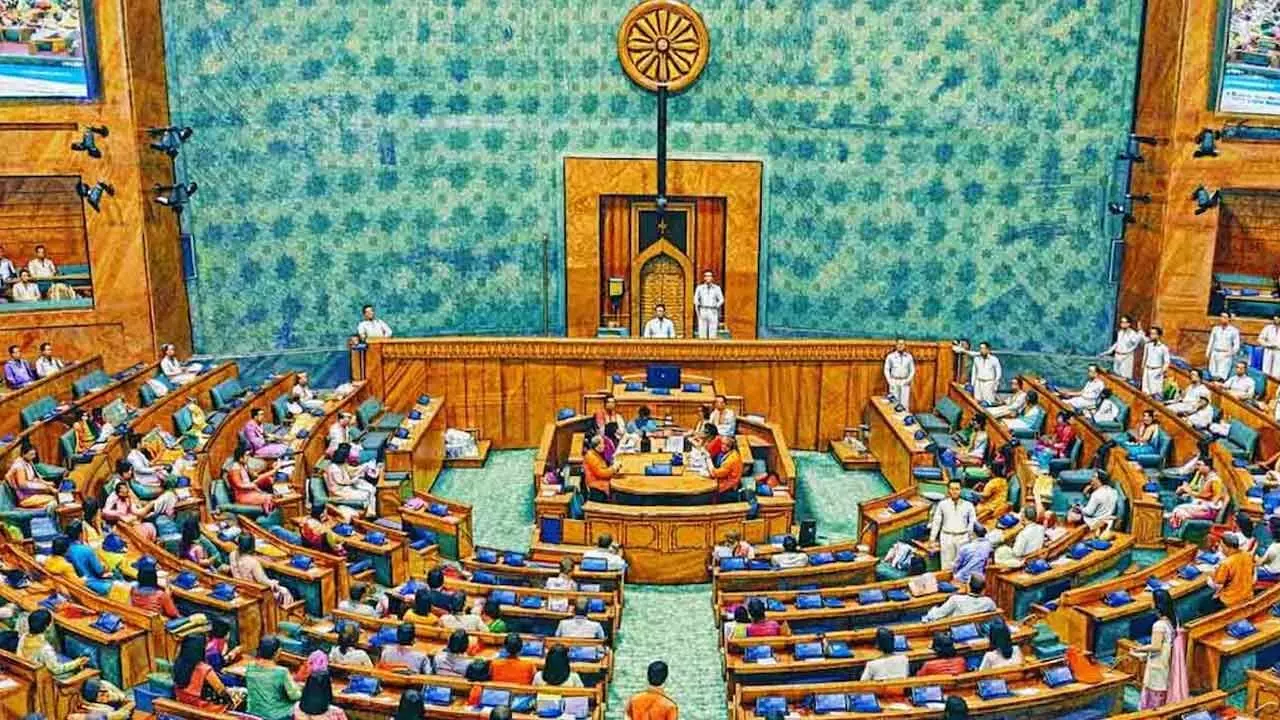
- Despite India making palpable but credible progress over the last few decades in terms of economic heft, the issue of gender parity continues to hog the limelight. The subject matter has gained attention since the Union Government tabled a bill in the Lok Sabha for 33% women’srepresentation in the Lok Sabha. If the Government of India’s idea is that every state will have its LS representation go up by 50%, and that should be part of the bills. Talks about the Union Government circulating a formula for ensuring 33% women’s representation in a bigger Lok Sabha that, on the face of it, renders some of the earlier criticisms moot. Every state will see its number of LS MPs increase by 50%, and one-third of this bigger number will be reserved for women.
PC: Etemaad
- What we know is that every state will see its number of LS MPs increase by 50%, and one-third of this bigger number will be reserved for women. Half of any number will always be equal to one-third of the number obtained by adding 50% to the original number. This is a mathematical truism. It also seems to address one major concern of critics and opposition parties – that proposals placed before Parliament’s special session will end up under-representing certain states, especially those in the South, in the name of bringing in women’s reservation. In the reported formula, the proportion of states’ representation in the LS remains the same, because every state will have the same proportionate increase. Neither will it be the case that any party will be handed an automatic advantage when it comes to securing a parliamentary majority.
PC: The Hans India
- For instance, assuming the BJP does well in UP under the new formula, where UP has 120 LS seats (80+50% of 80, which is 40). But the BJP’s job of securing a parliamentary majority will be just as challenging as it is in the current LS, because every state’s seats have gone up by the same proportion. Questions remain, though. Will this be a part of the bills? It should be, because MPs need to debate this as part of a proposed new law. Assuming this is part of the bill, the implication is clearly that the whole exercise is delinked, at the macro level, from the population base since every state’s LS representation proportion remains the same. What happens to the constitutional requirement that a delimitation commission work on population figures to rework the LS seat numbers? This question remains unanswered yet.