
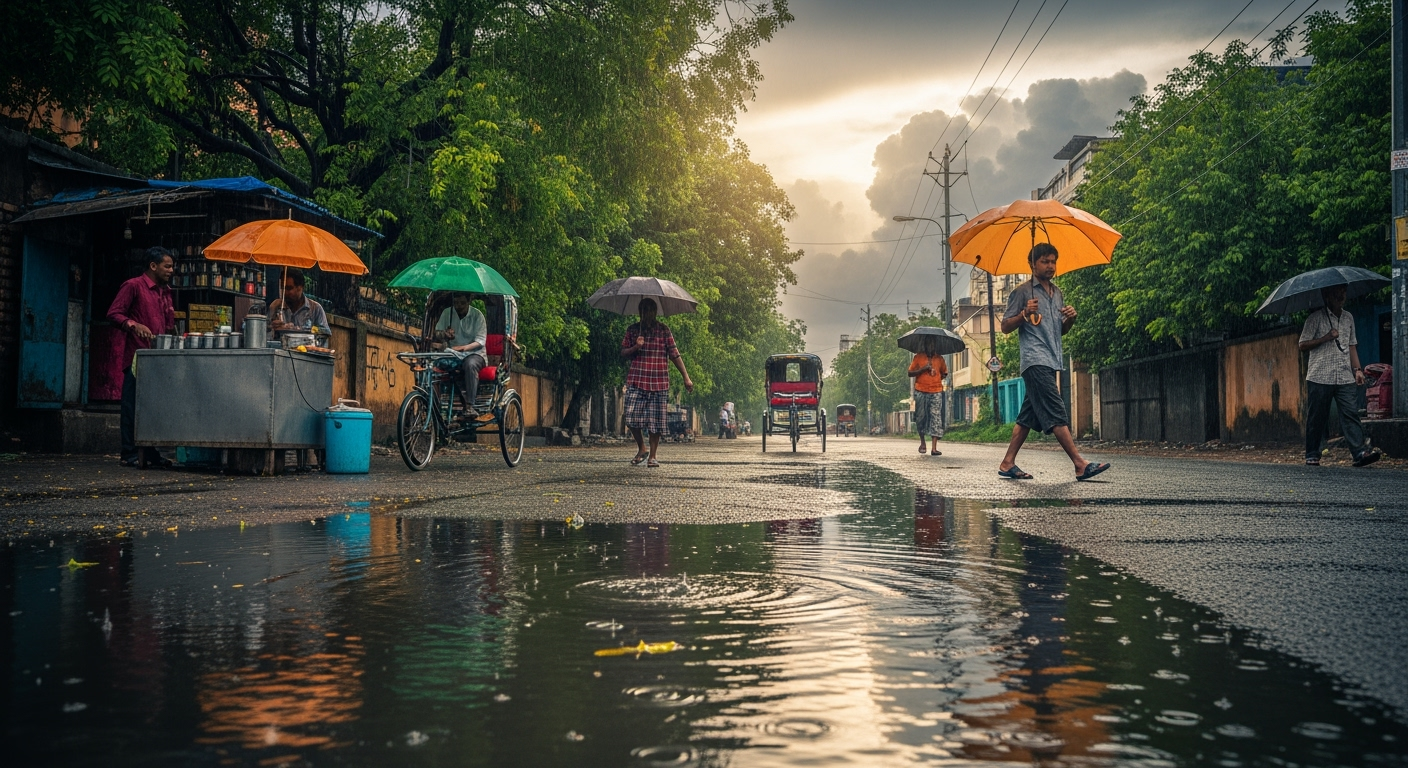
- As we know, India is still a largely agricultural-based economy heavily dependent on the monsoon rains for the kharif and rabi crops that sustain the country’s overall growth prospects, even though the services sector has leapfrogged multifold in the last few decades. Our reliance on agriculture as a primary wealth generator and the GDP growth, though minimal, can be gauged by more than 50 percent of people identifying with the sector. However, what has been troubling the government authorities, economists, and financial experts must be our over-reliance on monsoon rains. With the weather vagaries taking precedent on the back of unabated environmental degradation leading to unprecedented fallouts, countries must be grappling for solutions.

PC: Open Magazine
- Since India expects monsoon rains to play a critical role, with so many potentially challenging repercussions coming to the fore in the absence of the normal season, any uncertain/unpalatable information surrounding the rains would cause huge concerns. The geopolitical situation being played out in recent times needs no elaboration. The good news is that, despite the Iran war and energy crisis, India’s economy is not in hot water. But agriculture, which still makes up about a quarter of GDP, may have to skim warm water later this year. IMD has predicted a weak monsoon due to the El Niño effect, which is caused by the warming of the Pacific Ocean. Whenever that happens, every few years, summer rainfall over India suffers.

PC: India Today NE
- The IMD predicted the country, as a whole, will get 92% of normal rain, which doesn’t sound so bad, until we read the fine print. First off, per IMD’s forecast, the monsoon is more likely to be deficient than below normal this time. This has been the case in most El Niño years. And the difference is significant: in a deficient monsoon, rainfall is less than 90% of the long-term average. Secondly, rainfall distribution is not uniform across the country. For example, 2024 was a good monsoon, yet key agricultural states like Punjab, UP, and Bihar got less rain. Even in a deficient year, some parts may get surplus rain, some may be near-normal, while the rest could have acute dry conditions that make farming extremely challenging.
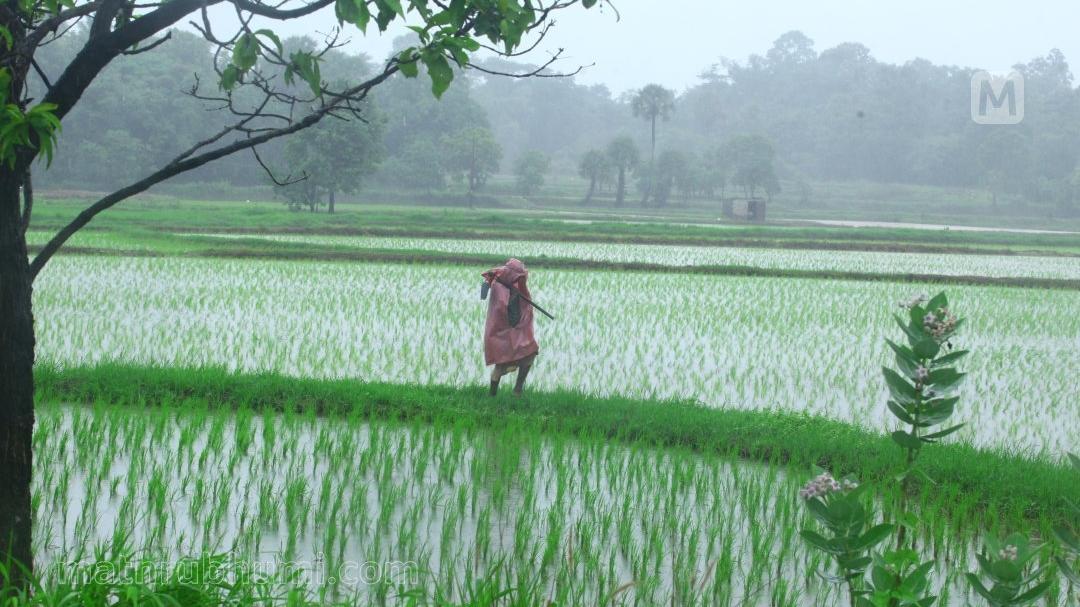
PC: Mathrubhumi English
- It’s a fact that much of Indian agriculture remains rain-fed, and the monsoon provides 70% of the moisture for farms. In states like MP, half of the wheat acreage is rain-fed. In Maharashtra, rain dependence rises to 80%. Production of pulses, an important source of protein in India, falls in every El Niño year, sometimes by more than 25%. Groundwater levels fall as farmers run tubewells longer. Meanwhile, there’s less water in reservoirs for irrigation and power generation. If war continues, diesel might become costlier. Yes, an S&P analysis shows India’s banks and businesses are in good health. If farmers need help, the governments should step up. Although there’s a chance that the formation of a different climate phenomenon, called the Indian OceanDipole, could cancel out El Niño in Aug-Sept. If this occurs, it will be wonderful. Miracles do happen.