


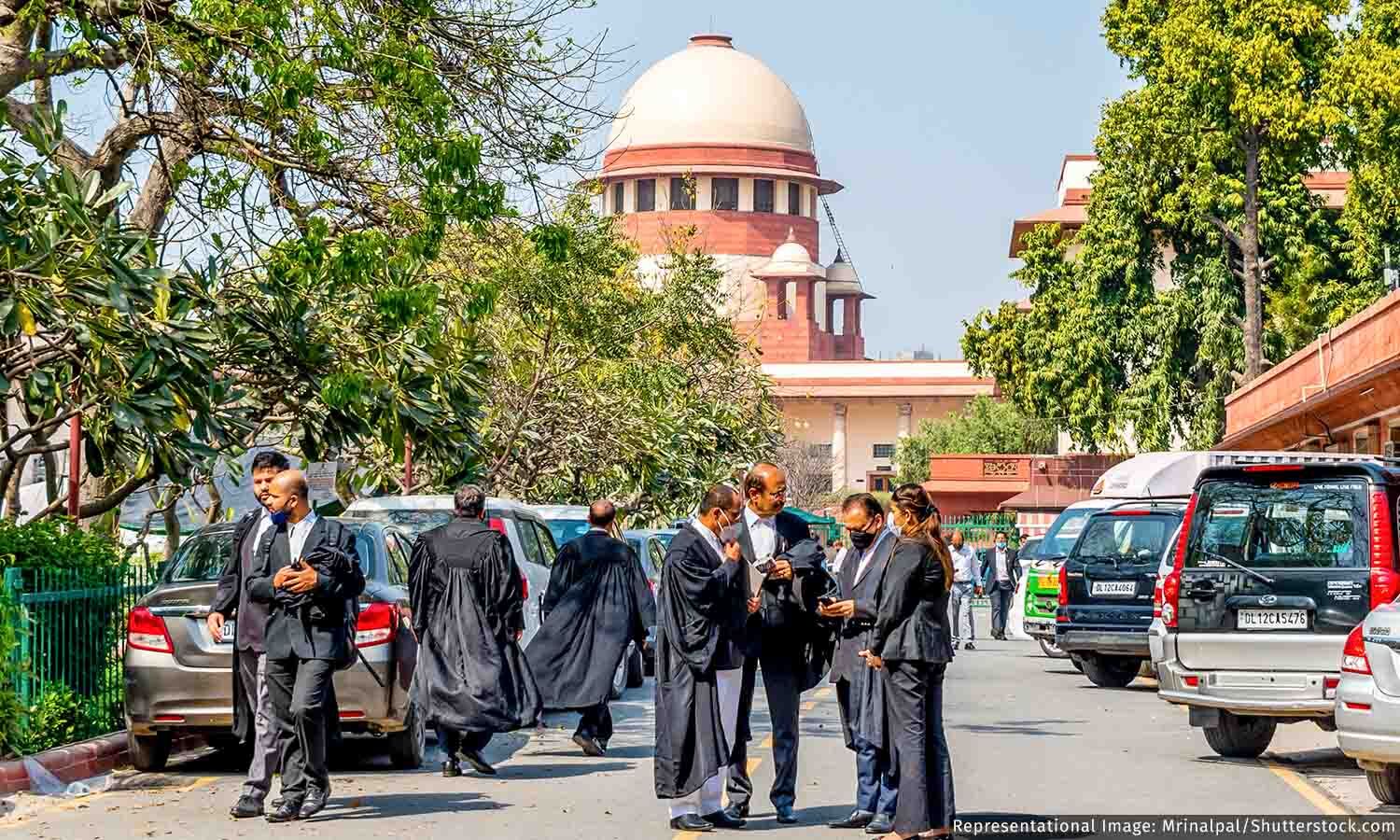
- At the outset, the very mention of the judiciary in the Indian parlance is bound to evoke a mixture of emotions that would be as varied as it can be. Right from cynicism, anger, despair, hope, anxiety, dilemma, frustration, and depression, the entire gamut of emotions could pale any of the renowned artists’ seamlessly quintessential artistry. In that sense, every Indian forced to undergo the dreaded skullduggery of the judicial system would vouch in unison for the treacherous feeling encompassing us. At the cost of sounding repetitive, we are aware of the humongous amount of unresolved cases bogging down the judicial delivery system from the top court of the land down to the last in the hierarchy. The mounting cases simply make us wonder what’s really going on.
PC: Indiaspend
- Most worryingly, the number of undertrials languishing in various jails across the country waiting for the justice delivery system to function in a reasonable time frame is a great cause of concern. Umpteen movies, satires, articles, debates, and discussions have happened showcasing how the Indian justice delivery system is getting clogged for a variety of reasons. While no less than the Supreme Court has been in the forefront to address the glaring delay in the justice delivery system at all levels, the cases heading northwards and the growing number of undertrials awaiting relief must be telling. Adding to the conundrum, the complex vocabulary used by the judges while delivering judgement is making the laymen and others go nuts.

PC: LawBeat
- Take, for instance, the word floccinaucinihilipilification pronounced by a Delhi magistrate while dismissing a plea recently. He could have said the petition was without merit, meaning basically the same thing. But why choose such a complex word in the first place while writing a judgement? Yes, some erudite personalities may be impressed, but the litigant, likely, had to reach for the dictionary, an unnecessary hassle in a judicial system defined by hassle. And, may we, humbly, say: long words do not necessarily signal linguistic talent. But let’s be broad-minded. For some lovers of the English language, long, complex words are the thing. They find joy in using monstrously polysyllabic words in real-life situations.

PC: The Indian Express
- But, CJI after CJI has laboured the point – long-winded, complicated, confusing, and bombastic verdicts and obiter dicta, borrowing from the archaic, and leaning into hoary Indian fetishes of mastering the Queen’s language, belong in The Great Dustbin of Legal History. It is not magisterial, but painful, to suffer a circumambulatory order that can trigger lockjaw. It is a challenge for language to survive insta-vocabulary, where idioms and phrases are acronymized into meaningless, vowel-free existence, yet pass off as legitimate speech. To add to that burden, overlong words, which only spellers need to be familiar with, are doing the language a disservice. The essence of communication should be clear, concise, and easily comprehensible.