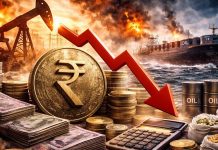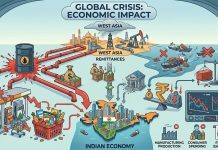

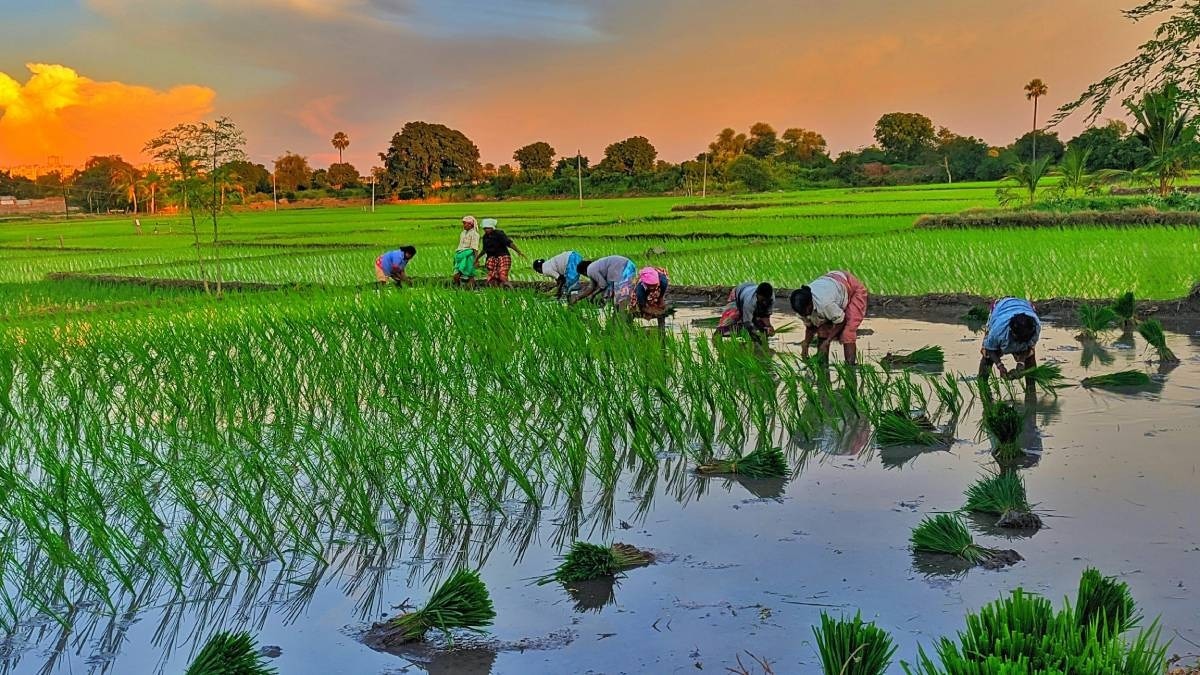
- It’s a matter of great satisfaction to witness how India as a country is taking giant strides in the global firmament, vis-à-vis the economic growth, when several other aspiring countries are struggling to stay afloat. Moreover, the incumbent government at the centre is quite gung-ho about the country being bracketed among the most advanced nations by the year 2047. However, the National Democratic Alliance government led by the Bharatiya Janata Party hasn’t showcased the roadmap and/or a blueprint about how the country would progress to reach the exalted objective by 2047. Most importantly, though the population is branded as a great demographic advantage, the fact of the matter is our country is still an agriculturally heavy economy.

PC: Sri Sri University
- As such, the biggest challenge encountering the incumbent government is to wean away such a substantial population from agriculture into other verticals like manufacturing and services sooner rather than later. And to sustain GDP growth, it is imperative that our manufacturing and services, along with other critical sectors, sustain for years. India needs more trade deals to spur growth amid disruptions brought about by Trump’s tariffs. Nonetheless, our hands are tied by the world’s largest farming population. Rome wasn’t built in a day, but 22-year-old Alcaraz beating 38-year-old Djokovic at the Australian Open is yet another reminder that coming of age needn’t take forever. NASA took just 11 years to touch down on the Moon. Many such instances are available.
PC: India TV News
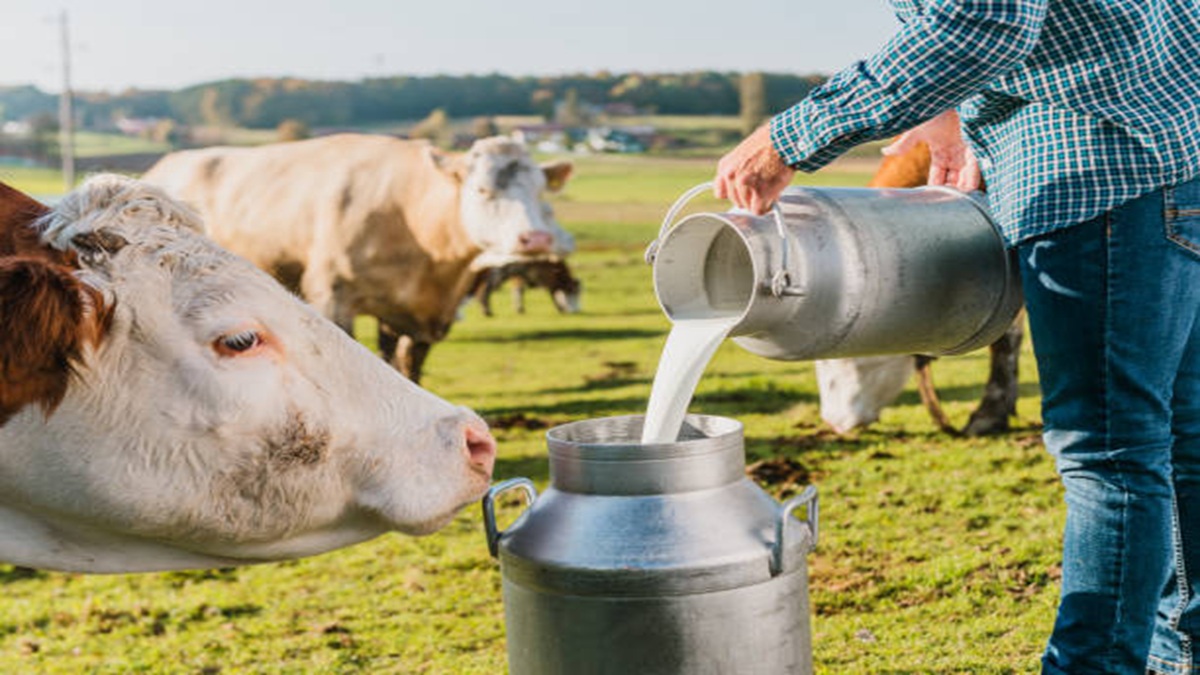
- Back home, India went from being milk-deficient to the largest producer 28 years after the launch of Op Flood. Yet, almost 80 years after Independence, our millennia-old agriculture and dairy are considered incapable of standing up to foreign competition; therefore, in need of tariff protection. This is clear from trade agreements signed over the past 12 months. Whether it is CETA with the UK, or the FTA with New Zealand, and now the EU and US deals, agriculture and dairy always become sticking points for us. It’s no secret that ink on the deal with Trump would have dried early last year, but for India’s political compulsions based on its vast farmer population. Now, no country is immune to such pressures. Mind you, food security is part of national security.

PC: Shutterstock
- India’s resistance to agri imports is understandable because of the precarity of our farmers. Farming accounts for only 1.2% of US employment. It makes up 1% of the US GDP, and 1.6% in EU. But it’s worth 16.3% of India’s far smaller GDP. Simply, too many Indians are eking out a living on small, unviable farms. Why? For want of better and more dependable employment. And because agriculture as a sector is growing far slower than the Indian economy – 4.4% vs 7.4% – their prospects aren’t exactly bright. So, India’s protectionist stand is justified, but for how long? Keeping 45% of the population in an unproductive sector is like parking money in a low-interest savings account. It’s a waste of India’s demographic dividend. We must show greater urgency and an action plan to absorb farmers into the industrial workforce.