

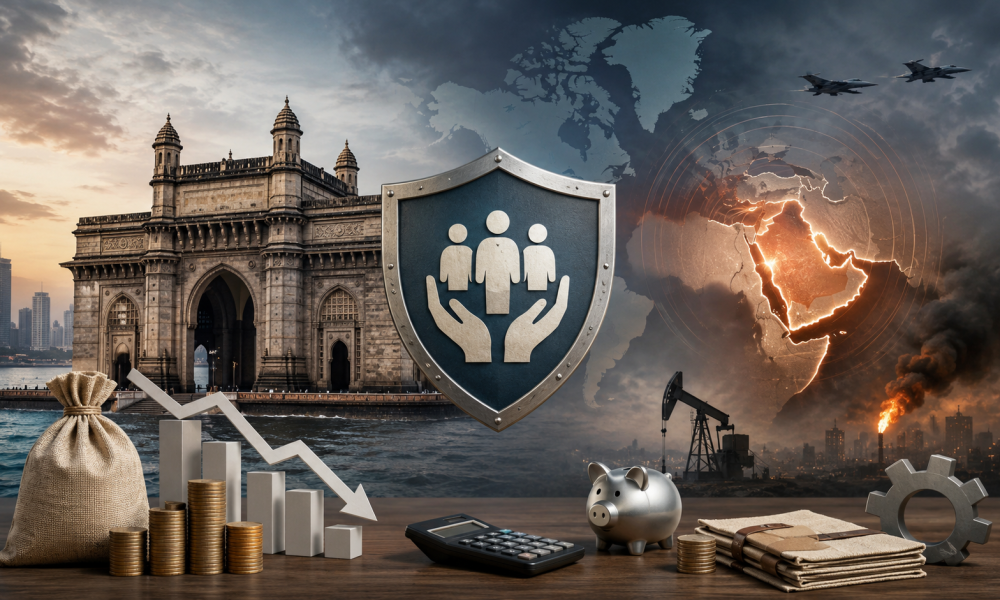
- The aimless meandering along conflict between the US-Israel duo and Iran’s resilient leadership has proved to the global community that we have not witnessed the last of the war, having already singed us so debilitatingly. The heat generated from the severe shortage of energy supplies around the world has meant that every economy is under the pump, constantly looking around to cushion the faltering GDPs. While countries have initiated suitable measures to tide over the ever-increasing conflict’s unpalatable consequences, those efforts are proving to be too little since the cascading effects of the spiralling energy costs are not easy to manoeuvre. And the Indian leadership, led by Prime Minister Narendra Modi, has weighed in with his exhortations of late.

PC: Hindustan Times
- PM has listed out a few austerity measures, extolling the Indian citizens to counter the looming crisis. The moot point to ponder over here is whether the present generation knows a thing or two about the austerity itself. Make no mistake, the new India doesn’t know what it means. Price signals are a better way to influence its consumption choices. Of course, austerity is the buzzword now. But if majorities define societies, it’s fair to say India doesn’t know what austerity is anymore. That’s because two of every three Indians – a supermajority – living today were born after 1991, the year of liberalization. The year we, as a nation, decided that we’d had enough of poverty, shortages, and austerity. And the accompanying sinking feeling of a poor country back then.
PC: The Indian Express
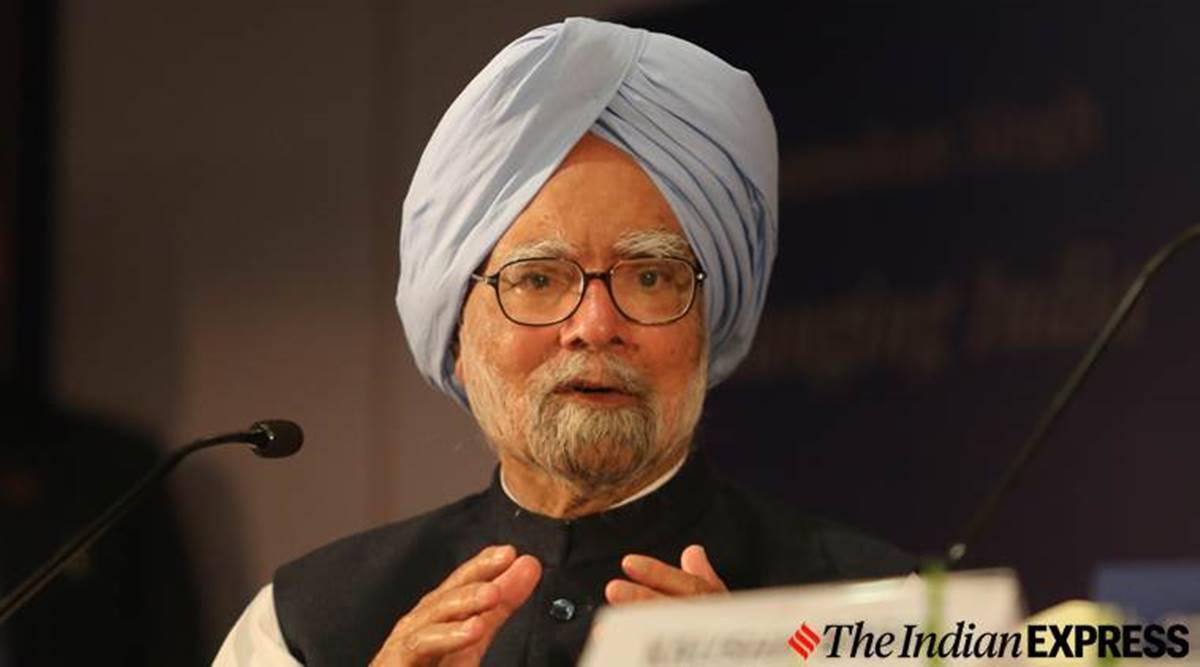
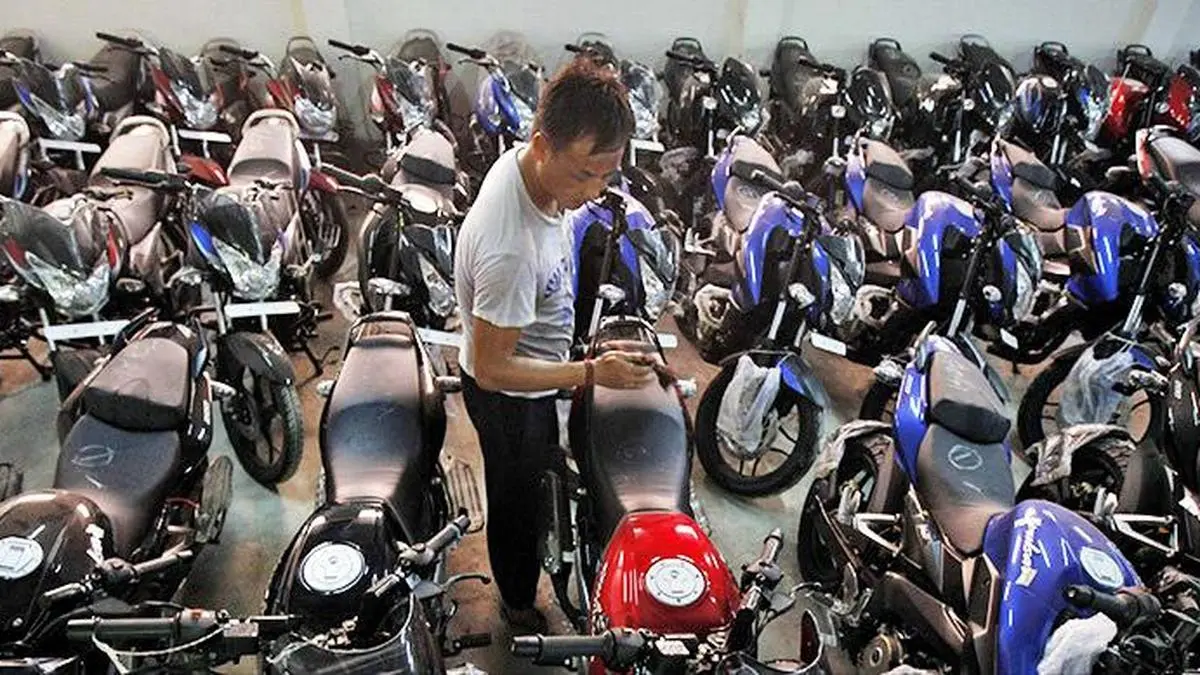
- It’s worthwhile to remember what the finance minister at the time, Manmohan Singh, said in his budget speech: austerity was still needed to accumulate capital, but it needn’t be a negation of life or a dry, arid creed that casts a baleful eye on joy and laughter. And the austere Indian state was notorious for being a killjoy then. Allottees of the new Maruti 1000 sedan were avoiding deliveries for fear of income tax raids. Yes, you read it right, allottees. Astonishing as it might sound, car ownership in that age of perpetual scarcity required patience and luck, besides ready cash. We have banished scarcity, and how! Just look at this number. Bajaj Auto’s 2000-01 annual report mentions a monthly capacity of 50k bikes. Again, back then. And what about now?
PC: AmbitionBox
- Last month, the company sold 2.1L two-wheelers in India, and 2.3L abroad. Overall, roughly 24Lbikes were made in the country in April 2026. Everything’s available off the shelf. Even fuel, three months into the Hormuz crisis, latest hike apart. So, no, we don’t know what austerity is. Mind you, that’s an achievement, not a failing. But doesn’t it leave us ill-equipped to deal with high import costs and a weakening rupee? No. It’s far better to influence buying decisions with price, as govt has already done with higher import duties on gold and silver. Let fuel, fertilizer, and other imports get costlier to reflect market realities. Consumption will find its own level. If some people still want to holiday abroad or drive everywhere, they can do so, while filling state coffers.