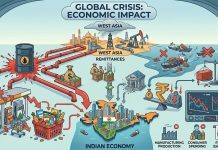

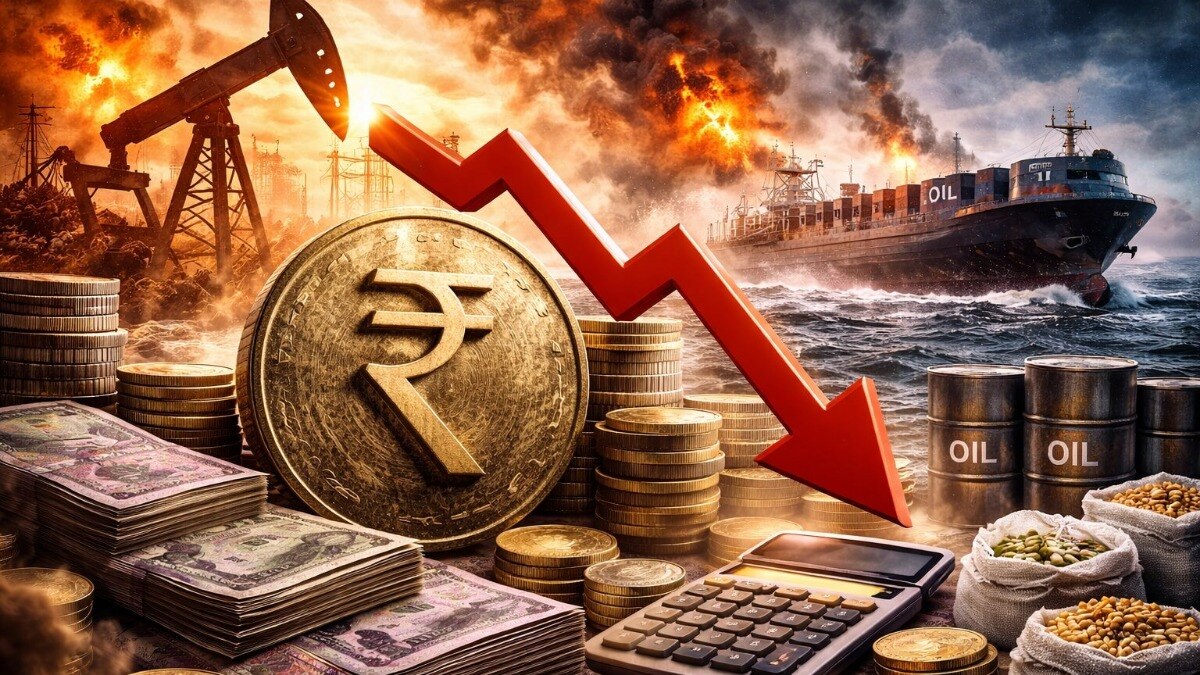
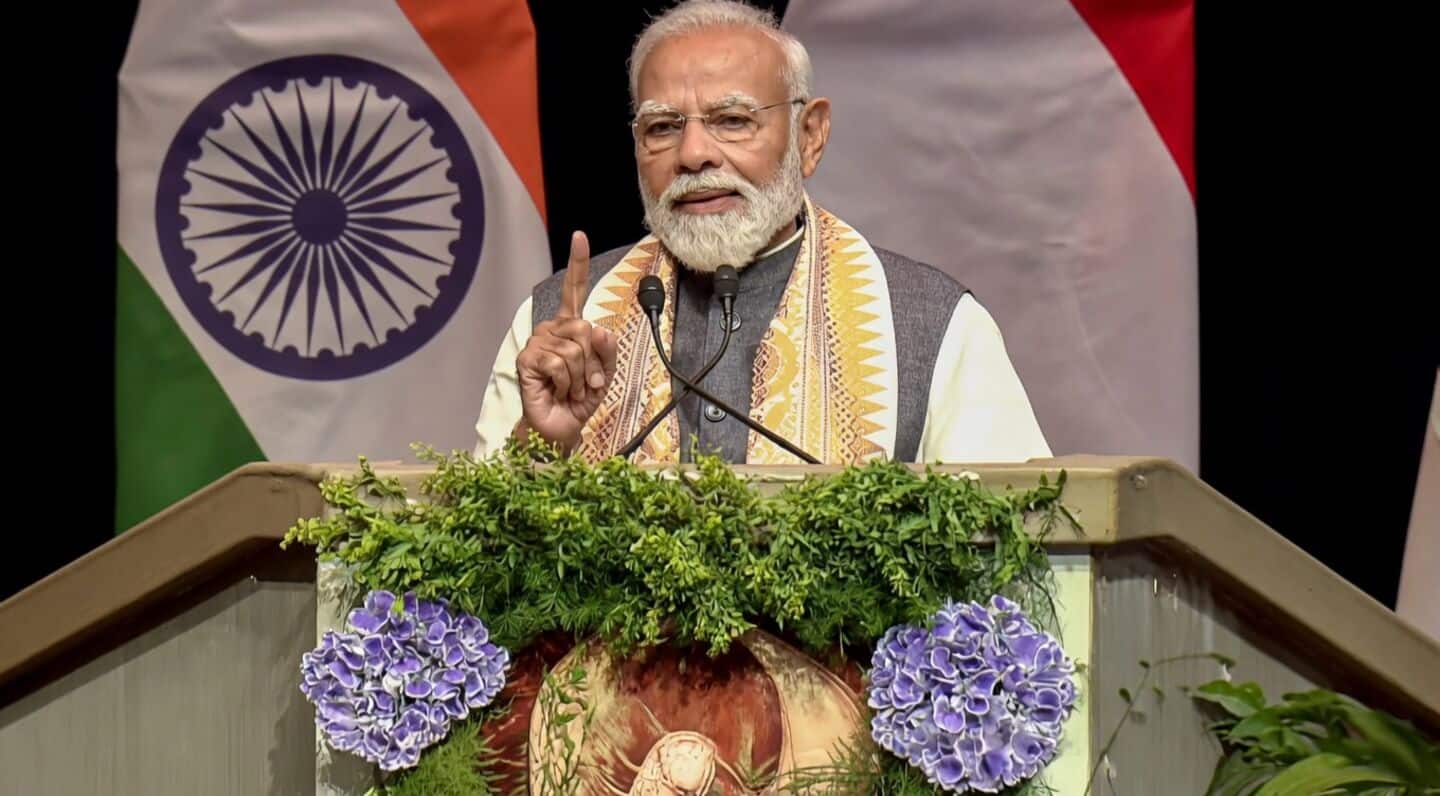
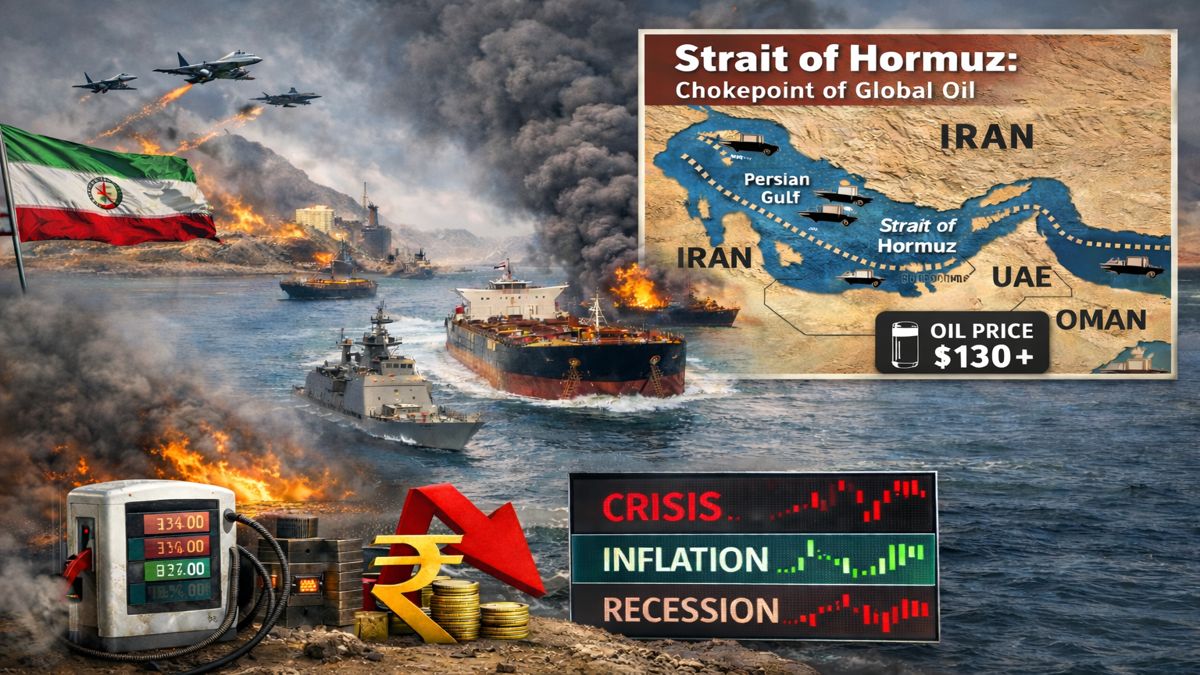
- The fallout of the US-Israel-Iran conflict in West Asia/the Middle East has started showing worrying signs of further singeing the already under the pump global community on several fronts. The severe restrictions on the critical energy supplies from the region have largely pushed the inflationary trends. Many advanced, developed, and developing countries are feeling the heat of the debilitating effects of the unwanted/ill-adviced war thrust on the global community by the US-Israel duo. Despite peace overtures from the concerned parties, including those not directly involved in the fast-unfolding events, have not yielded desired results. This being the case, the Indian Prime Minister extolling the citizens to gear up for tougher times is par for the course move.
PC: NewsBytes
- The PM listed out a few measures to tide over the crisis, and at the same time hinted at some bitter pills to swallow in the coming days. Not resting on the exhortation, the PM himself and his cabinet colleagues have acted upon by commencing austerity measures to set an example. As such, if ministers have decided to travel in smaller convoys and bureaucrats are conducting business without logging air miles, we cannot complain. For frugality is always a virtue, not just in a crisis. Of course, it goes without saying that money saved is money earned. So, let these habits stick even when the Hormuz crisis ends, and good times eventually return. Because every barrel of oil, every ingot of gold, and every bag of fertilizer we don’t import makes the rupee stronger.
PC: Indira Securities
- In doing so, the purchasing power of the rupee is boosted. Mind you, thrift is good only till it eliminates waste. Thus, placing essentials on the chopping block is silly. Should the government cut back on infra works now, to shore up finances? Not at all, for that would hurt employment, income, and demand, slowing down the economy even more. It would also delay the process of making India an attractive investment destination for businesses. Likewise, burgeoning cash transfers are a luxury, but stopping them now could increase hardship for poor families, especially when agricultural prices are likely to shoot up due to a fertilizer crunch. When it comes to regulating consumption, rather than waste, price signals are more effective than moral positions.
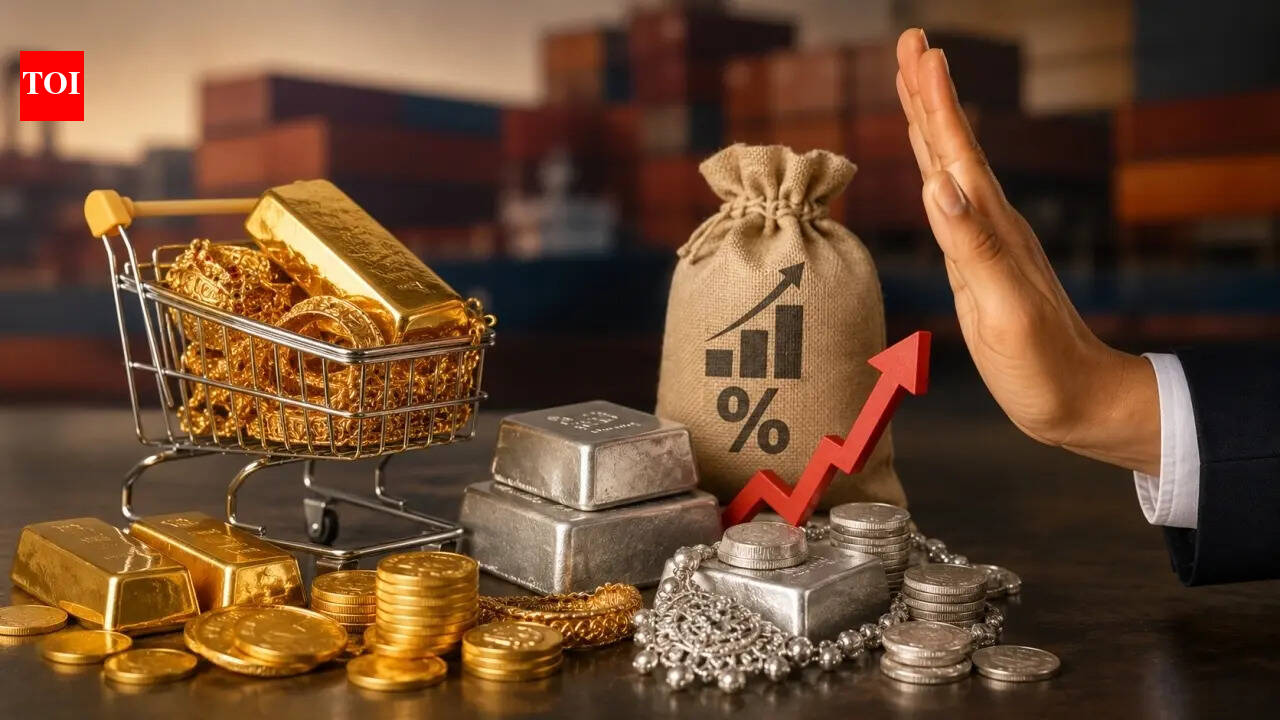
PC: The Times of India
- So, the Centre’s decision to hike import duty on gold and silver, from 6% to 15%, is a good idea. It will not only curb demand and conserve forex, but also leave more money in the government’shands for public works. So is the petrol and diesel hike. Expectedly, the petrol and diesel hikes have ensued. The government should look at the idea Niti Aayog floated, such as the National Monetisation Pipeline, that can bring in many crores of rupees. For instance, the government has monetized Rs 5.3L cr worth of core assets, such as coal blocks, over the past four years. But monetization of non-core assets like spare land has moved slowly despite the formation of the National Land Monetisation Corporation in 2022. This should get a huge fillip forthwith.