
- Much to the discomfort of the global community, some of the ongoing conflicts are proving to be more than detrimental to all concerned, with no signs of thaw visible in the immediate future. The debilitating conflicts between Ukraine-Russia, Israel-Hamas, and now US-Israel-Iran have plunged the geopolitical situation into one of panic, anxiety, and extreme uncertainty since more than 20% of the world’s energy needs are sourced from West Asia/Middle East. While citizens across the world thought the worst days were behind us during and after the pandemic, the ongoing conflicts are proving to be extreme events that are bound to leave a trail of destruction for want of regular energy supplies we have become accustomed to receiving unhindered.

PC: The New York Times
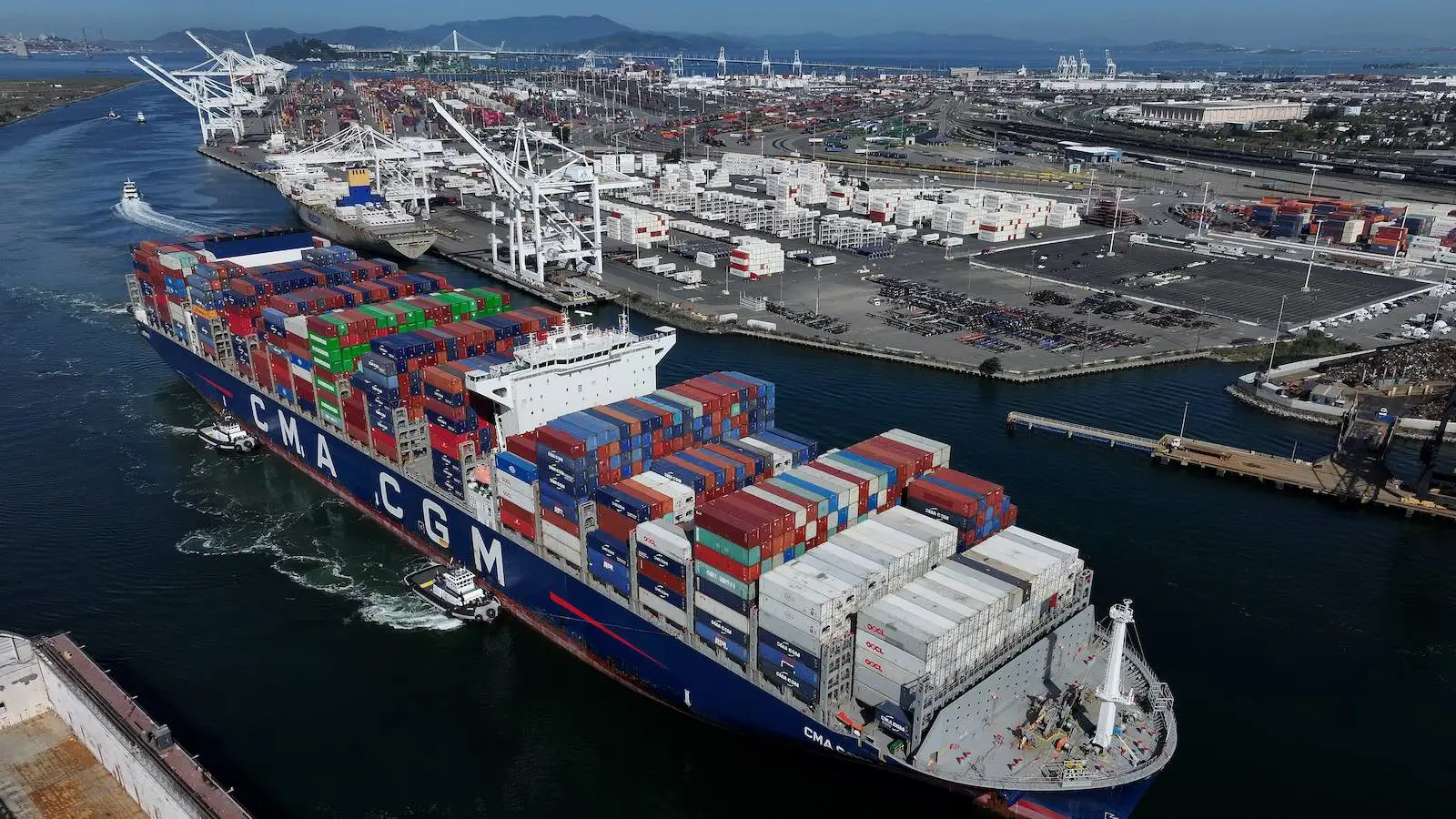
- As we know, for millennia, the global community has been dependent on cargo ships for carrying out trade. Thus, merchant shipping is not only the heart of carrying out trade across the oceans, but also offers stability for economies aspiring to scale up in line with the fast-changing times. However, the ongoing conflicts have seen how the countries involved are targeting merchant shipping, setting a dangerous pattern for the global economy. Iran, Ukraine, and the US have all been the culprits. Recently, after 16 cargo ships, including oil tankers, were hit within the first two weeks of the Iran war, hundreds more dropped anchor in the Gulf, unwilling to risk vessels, cargo, and lives. There they remain, stranded, not knowing when they will be allowed to move.
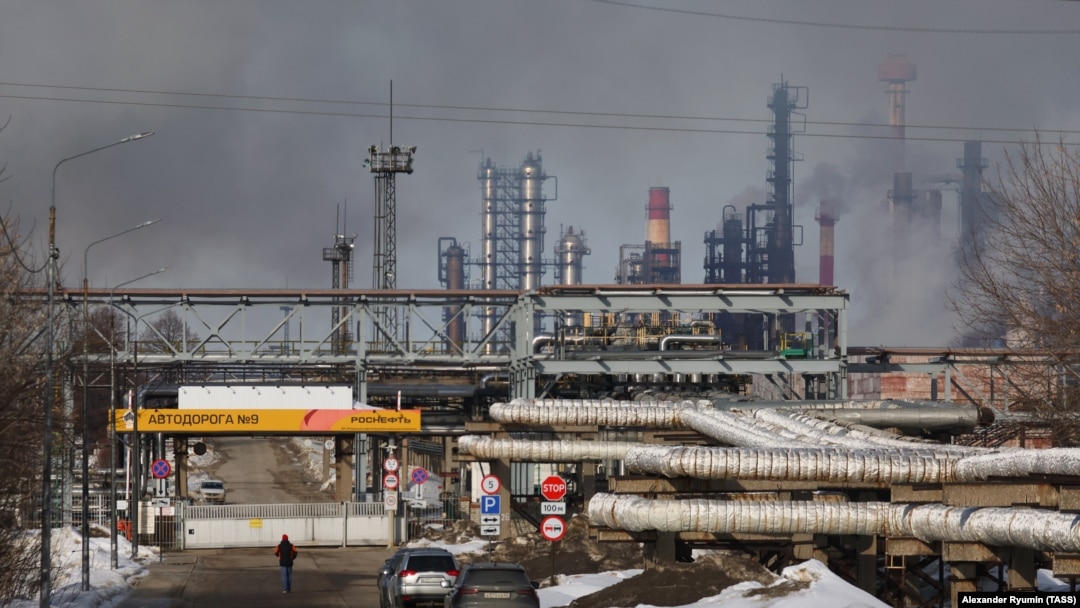
PC: Radio Free Europe
- Meanwhile, oil, gas, fertilizer, aluminium, sulphur, helium, and many more commodities have become scarce. This is Iran waging war by other means – holding maritime trade to ransom. In the north, Ukraine has disabled 40% of Russia’s oil export apparatus. Its attacks on ports and pipelines have reduced Russian oil flows by 2mn barrels a day – more than a third of India’s daily consumption. European seizures of Russia’s shadow fleet tankers have further thinned the flow. While all these moves can be rationalized, their impact on the world is hard to justify. It’s a settled point that merchant ships, unless involved in military operations, should not be attacked. That’s because ships are what keep the modern world running. Trade makes up roughly 60% of global GDP; ships handle over 80% of goods trade.
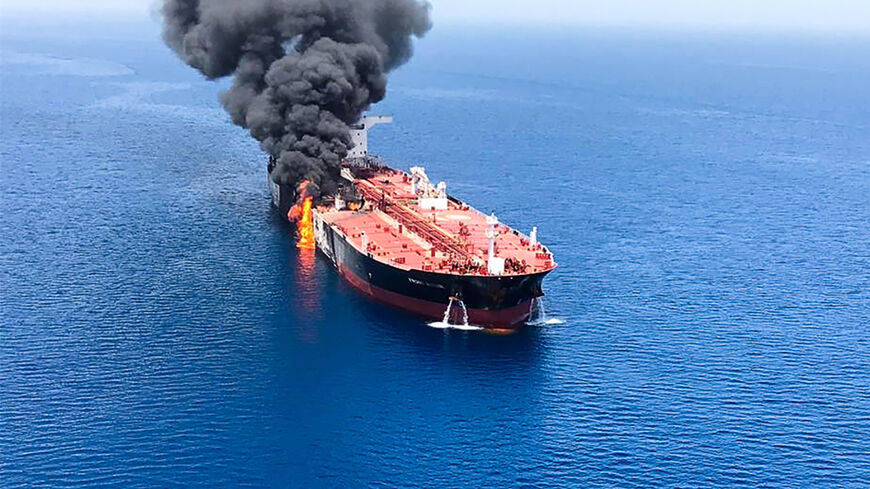
PC: India Shipping News
- And attacks on just a few vessels can effectively shut down entire routes. We’re seeing this in the Hormuz Strait now, but it happened in the Red Sea not long ago. A Houthi attack on tanker Marilin Luanda and seizure of car carrier Galaxy Legend forced shipping firms to change course. Two years have passed, but Red Sea traffic hasn’t returned to normal. As if on cue, freight costs have risen due to longer routes. Looking back, Britain lost 2426 merchant ships in WW2, the US 1768. Japan, which had built up the third largest fleet of passenger and cargo ships before the war,lost 2346. By the time the war ended, it was left without a single ship of over 1000-tonne capacity. Cheap drones worth a few thousand dollars can destroy vessels now. So, steps to build a new consensus on the safety of maritime trade are needed. All countries should join hands to address this issue.