
- By now, the global community must be completely flummoxed and frustrated at the same time with the meandering West Asia/Middle East crisis not ending soon, which was forcefully thrust on us for no palpable rhyme or reason. The ensuing severe energy supply disruptions worldwide have already pulled down the GDPs of several countries. The inflationary trends witnessed on the back of burgeoning energy bills, courtesy of disruptions in the smooth flow, also highlight how the whole universe is interconnected when the free flow of transactions occurs in an ideal situation. How has the Indian Union Government handled the far from comfortable situation being played out in the last few months? Let’s dwelve to understand the same.
PC: India Today
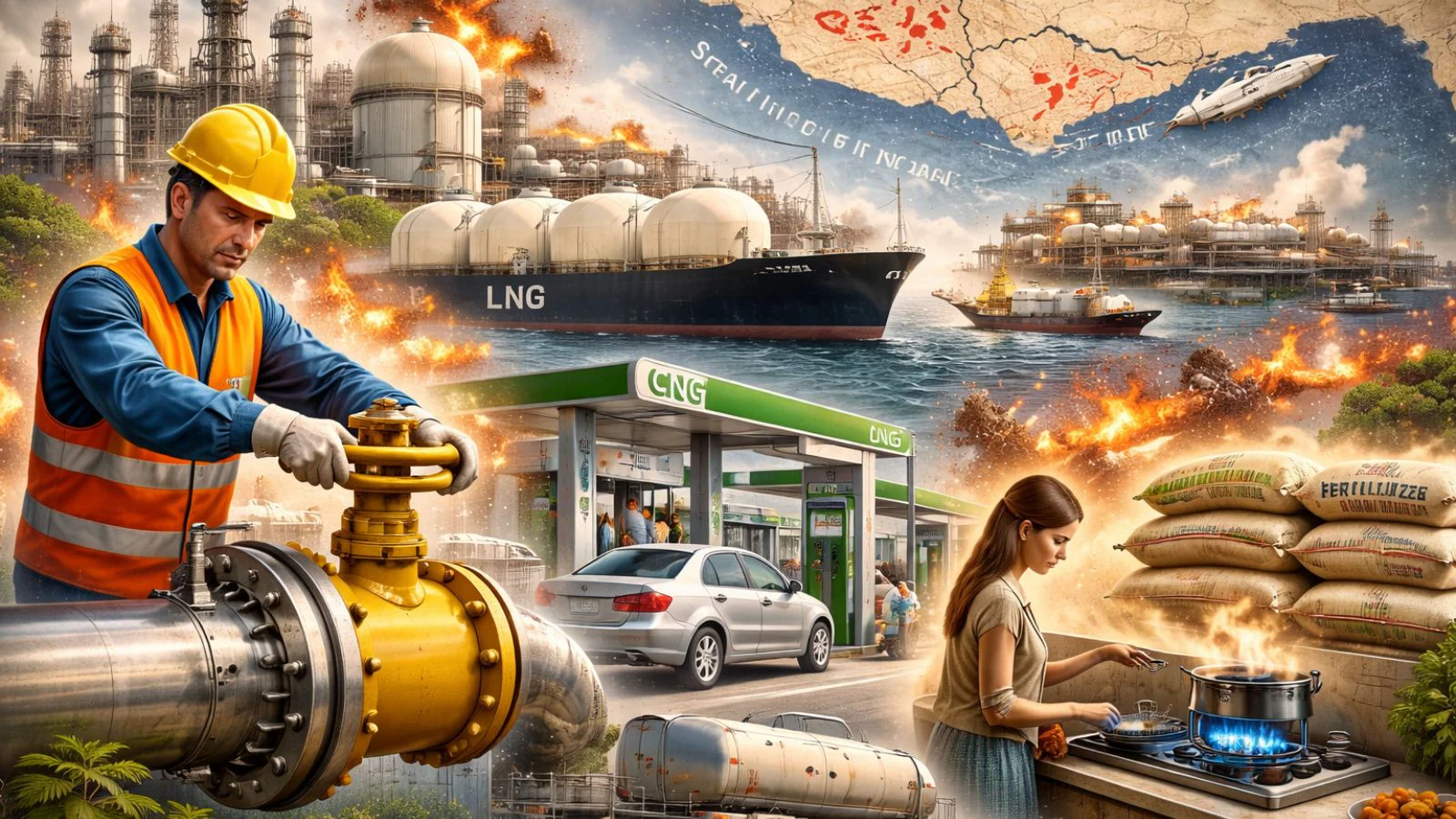
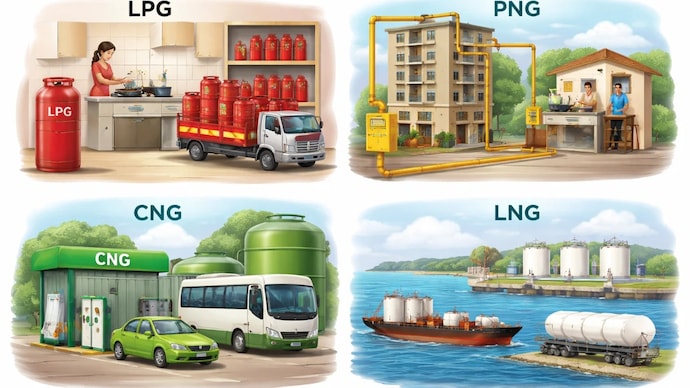
- The disruptions in the critical LPG/CNG/PNG have been felt across the country. The commercial prices of the LPG have headed northwards. Most recently, the Union Government hiked petrol/diesel prices because oil corporations were incurring huge losses. These measures were expected to be unleashed soon after the five state assembly elections concluded recently. Mind you, the Indian citizens were preparing for the same in the last few weeks, ever since the war started in Iran, and the Hormuz Strait was shut down, subsequently cutting off roughly 20% of the world’s oil and gas supplies. Thankfully, the oil prices have been raised, not by much, though. Of course, PM’s call for judicious use of these fuels last week signalled a hike was imminent.
PC: The Times of India
- Nonetheless, the quantum of increase – Rs 3 for petrol/diesel, and Rs 2 for CNG – after far higher figures were bandied around – feels like we’ve dodged a bullet for now. Note that in percentage terms, this is by far the smallest hike in a non-producer country. Even major producers like the US and the UAE have hiked pump prices by over 40%. So, the question is, is this a one-and-done hike, or the first step in a gradual adjustment? Common fiscal prudence suggests more in the offing if the situation doesn’t improve dramatically in the Middle East/West Asia soon. The Hormuz question is far from settled, and benchmark prices remain over $100 a barrel. But there’s a positive sign. Iran recently said that it had allowed 30 vessels to exit the Strait. Is it enough? Not at all.

PC: ABP Live – ABP News
- That’s nowhere close to the pre-war average of 130 a day, but a big improvement. Enough to boost sentiment and cause a dip in crude prices. China’s position in talks with Trump – that it wants a lasting ceasefire – can also have a calming influence. But Trump’s talk of losing patience with Iran might again spook the trade. Because resumption of hostilities will mean a complete blockade of Hormuz. This uncertainty may be the reason why India has not raised pump prices massively now. If war ends, and Hormuz reopens, this small hike will be enough to recoup losses over the long term. It will also limit the inflationary shock of diesel. If the status quo continues, crude oil remains over $100, and more hikes and pain might be necessary. We’ll have to take this one day at a time.