

- Make no mistake, India as a country has made tremendous progress in the last decade and a half needs no further elaboration. Ever since the present dispensation took charge of governing the country in 2014, the nation has not only made palpable advances on several key economic parameters but also has successfully disseminated a narrative of how the country will be rubbing shoulders with the most advanced nation by 2047. A heady aspiration which obviously sits pretty with the nation’s stated objectives to achieve the seemingly impossible. The moot point to ponder over here is whether the dreams being sold with such fanfare are receiving the desired push from the government’s arms tasked to execute the tasks. Let’s dwelve.
PC: The Hindu
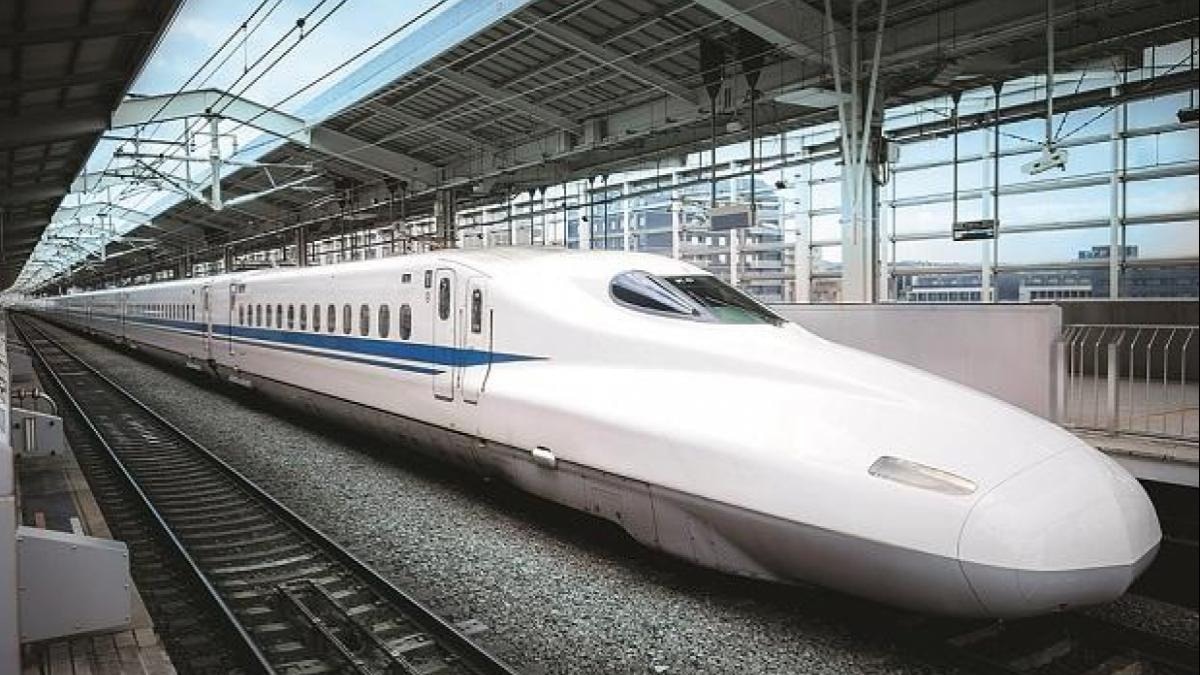
- To its credit, the Union Government, led by the indefatigable Prime Minister Narendra Modi, has accorded greater importance to infrastructure development by pumping in investments. Despite the COVID-19-induced economic setbacks, the thrust to give a fillip to strengthen the infrastructure as a primary driver is not lost on the discerning citizens. However, the delays bogging down some of the marquee projects have not only allowed cost escalations but also raised questions about our commitment to honour timelines. One such project is to build India’s own Shinkansens. Why does any country want to follow in Japan’s bullet train tracks? Because speedier movement of people and goods means higher productivity.
PC: Travel and Leisure Asia
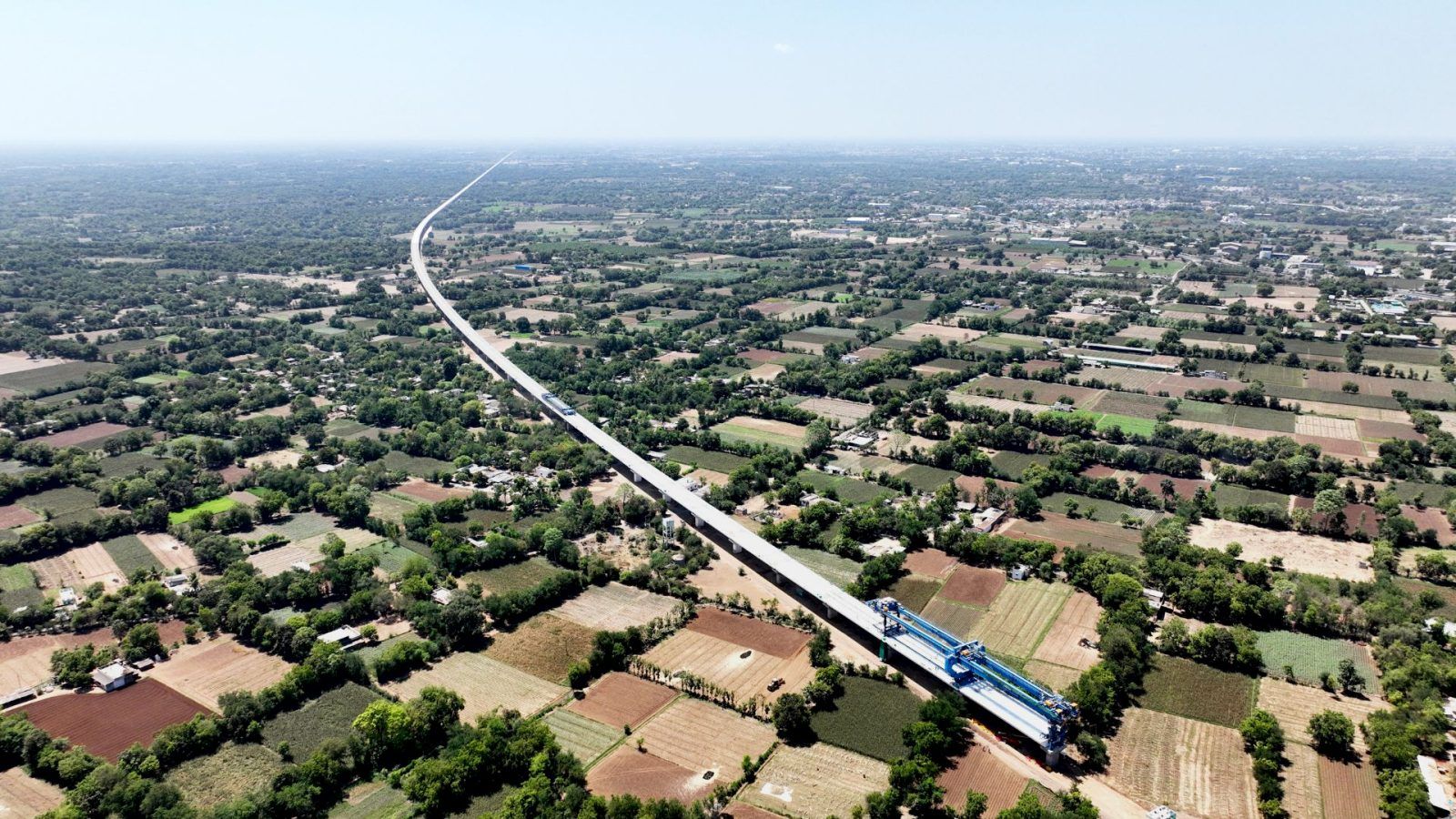
- Of course, Shinkansen is also the No. 1 reason tourists want to visit Japan, and this is more poetry than prose. Just imagine, to travel at 300 kmph while remaining on the ground is quite different from air travel. As fields and buildings and Mt Fuji race past, you literally feel the speed. Unlike so much of the future that hasn’t arrived – flying cars, space colonies – this is a sci-fi fantasy come true. So it was for both economic and romantic reasons that Indians got very excited when the Mumbai-Ahmedabad high-speed rail corridor was announced a decade ago. This 508km project was initially scheduled to launch in 2022. That date’s been pushed to 2027, and even that for only a 47km stretch. Overall cost escalation is already above 80%.

PC: Convergence Now
- However worrying this underdelivery is, what’s more worrying is that it doesn’t surprise. Japan built its first Shinkansen in 5 years, in the 1960s. More recently, China has built a high-speed rail network of over 40,000km within 15 years. By comparison, India’s bullet train experiment shows a sobering gap between our ambition and execution. Plus, such setbacks dampen enthusiasm for proof-of-concept projects in general. Those who argue for conventional upgrades instead of leapfrog technologies do have a point. Last month, a standing committee on railways reported that while freight revenue constitutes about 65% of Railways’ earnings, average freight train speed is 23.8 kmph. Governance must be upgraded; otherwise, we will continue to be disappointed.