

- The Indian citizens’ trust, belief, and hopes about the country’s higher judiciary, especially the Supreme Court, are absolute and undeniable. Indians wholeheartedly consider the Supreme Court as the last resort for addressing their grievances, predicaments, and apprehensions when seeking relief after finding themselves on the wrong side of the law. It has been proved time and again how the Apex Court has stood firmly with the last man standing, especially from the lower strata of society, in not only delivering landmark judgments/verdicts but also providing enormous relief from the usual skullduggery associated with court cases. Little wonder the highest court of the country is held in such high esteem by us.

PC: Live Law
- As we know, the SC has repeatedly asserted that jail, not bail, should be the norm that must be upheld when lakhs of undertrials are languishing across the country’s jails. So much so that on several occasions of late, the SC has castigated the lower courts to grant bail for offences that do not get categorized as harming the nation’s sovereignty, safety, and security. However, in denying bail to two Delhi riots’ undertrials recently, the apex court has walked back on its own stated stand. Of course, the sense of disquiet following the Supreme Court’s refusal of bail to Umar Khalid and Sharjeel Imam, accused under UAPA, is born out of the sense that the apex court has walked back on its consistent precedents and repeated calls for adhering to the principle of ‘bail not jail’.
PC: Telangana Today
- Mind you, SC, on earlier occasions, had held this to be true even for UAPA and PMLA, despite negative bail provisions in these stringent laws. Equally worryingly, SC’s departure from its own stand will likely confuse trial courts. Ironically, last week, SC in another case said, “It is well settled if the prosecuting agency, including the court, can’t ‘provide or protect fundamental right of an accused to have a speedy trial then, bail plea can’t be denied on the ground that the crime committed is serious.” In appeal after appeal, over refusal of bail, the SC had implored judges not to make the process a punishment. In Antil vs CBI (July 2022), the SC included directives to expand the scope of bail. The conflicting messages are apparent and will create more confusion.
PC: LawBeat
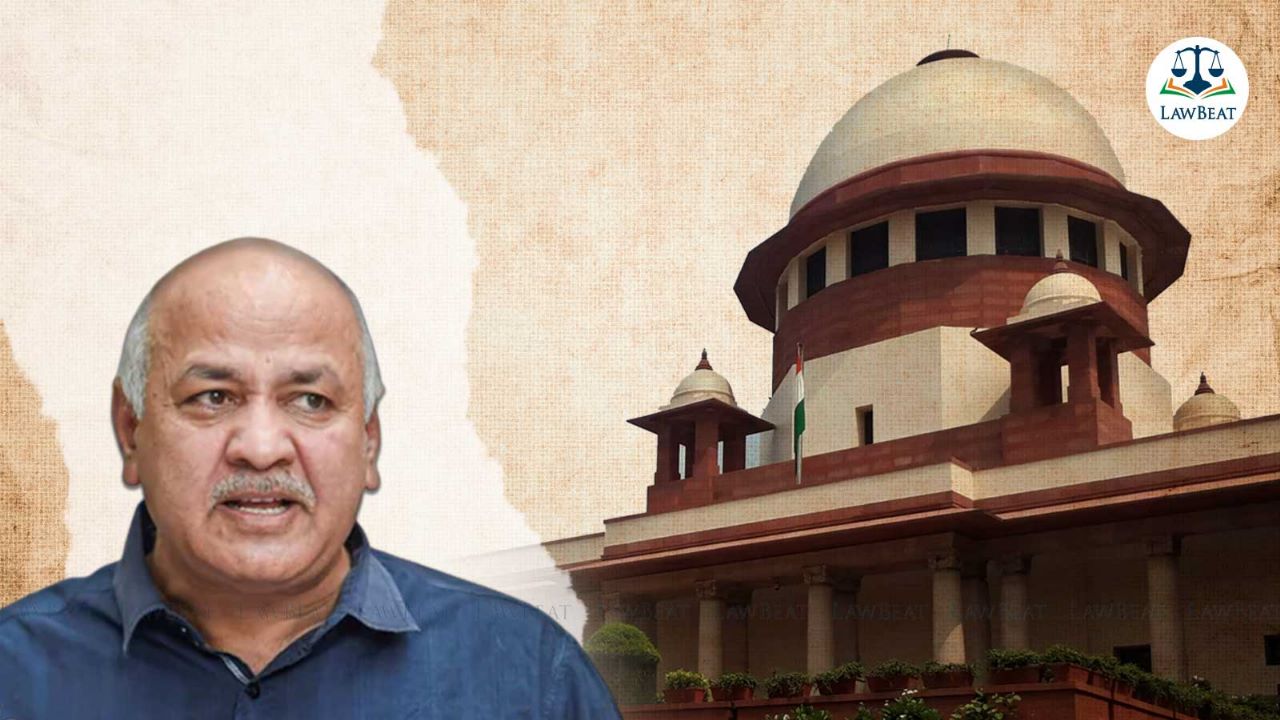
- Further, in bailing Sisodia in Delhi’s liquor-policy PMLA case, SC said prolonged incarceration and delay in trial should be read into bail provisions. In a UAPA case of a retired Bihar constable, the SC said denying bail would violate rights under Article 21. All of this was set aside in Khalid and Imam’s cases. Two points are puzzling, though. First, SC said the two had not been imprisoned beyond constitutional impermissibility. Is five years, as is the case for Khalid and Imam, not long enough? The second puzzle is why SC dealt with the definition of terror while considering bail for two of the seven who’d applied for relief. This is inconsistent with SC saying on several occasions that inference is not evidence. Hopefully, the SC addresses these inconsistencies sooner.