


- The modern-day world is defined by dynamic information technology-driven digitalization solutions/applications and has been embraced by the global community without exception. The cutting-edge solutions on offer for the benefit of humankind are phenomenal and not easily decipherable as well. Of course, since time immemorial, humankind has been accustomed to welcoming several mind-boggling innovations, inventions, initiatives, developments, and novelty-ridden factors, much to the merriment of society at large. While generations across millennia have embraced the introduction with open arms, certain aspects may have stymied the intended purpose, courtesy of a lack of deliberations and/or inappropriate timing.
PC: Raconteur
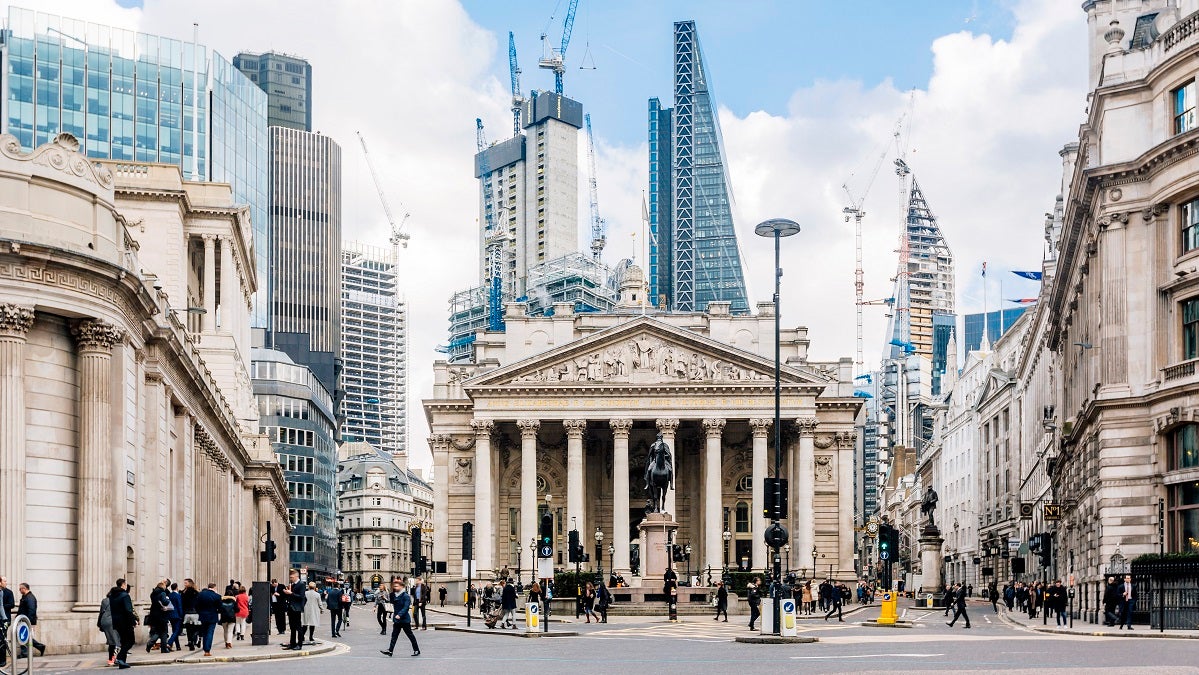
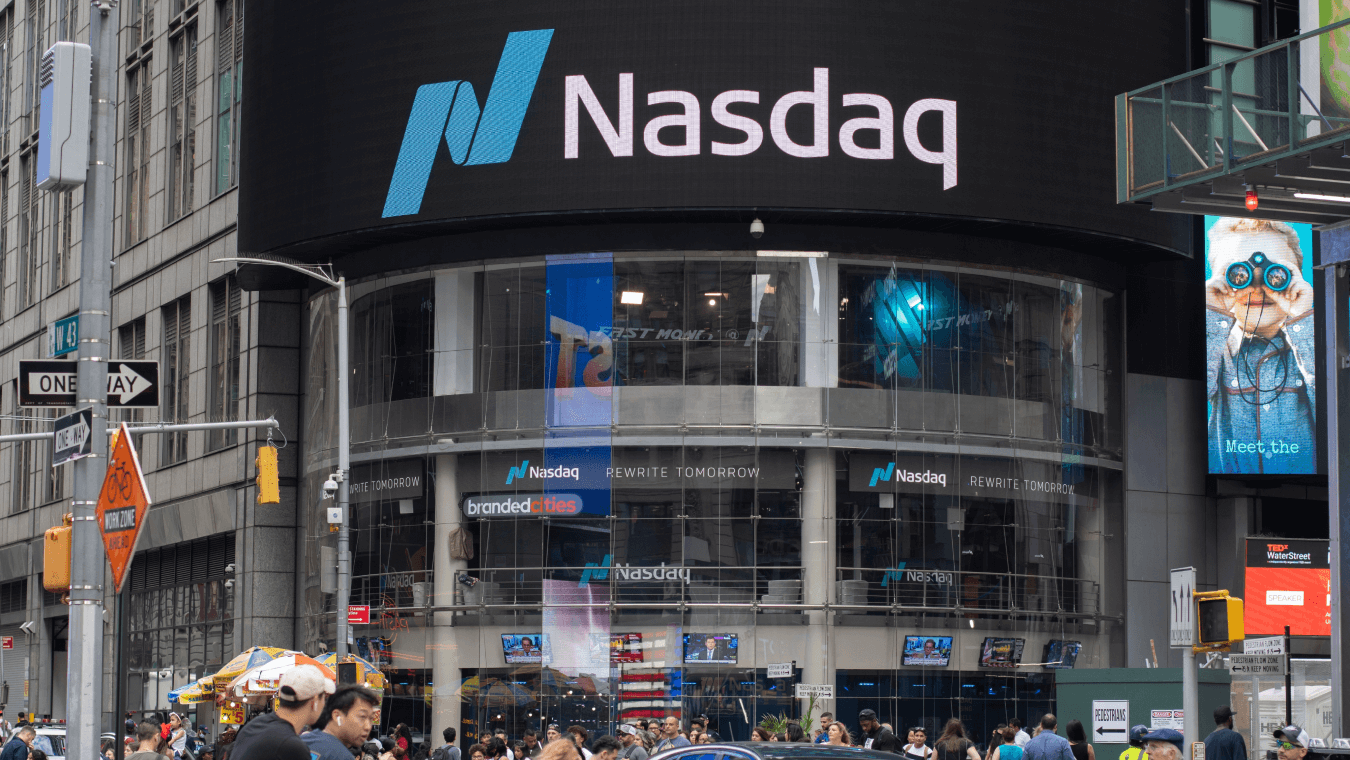
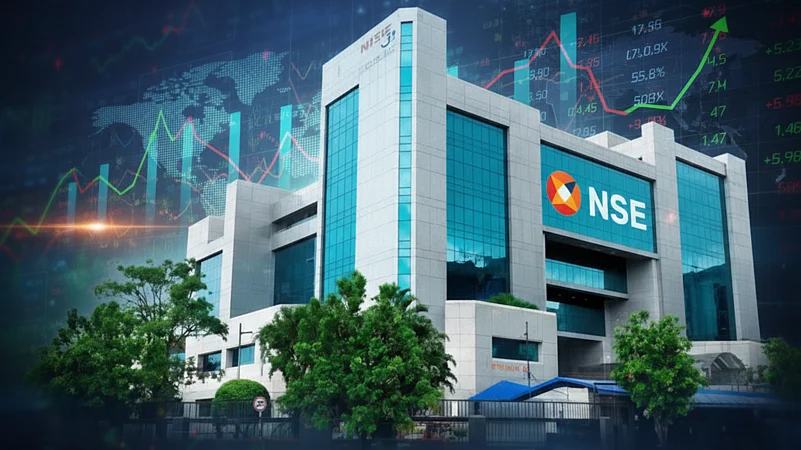
- Whatever the reason, the most critical aspect of any new initiative must have a majority backing rather than attempting to impose measures that may not yield intended results in the long run. As we know and reported in newspapers recently, Nasdaq, NYSE, and LSE want to run round the clock. They may have much to gain, but what about retail investors whose response is equally crucial? Nasdaq, America’s tech-heavy stock exchange, has made it official that it wants to remain open 23 hours a day, five days a week. New York and London exchanges are on the same page. The US has already approved 24X, a startup exchange that will operate 23/5. The consensus is that opening and closing bells in markets are about to be consigned to history. Is it a revolution?
PC: Capital.com
- Technologically speaking, no. We’ve been booking tickets and ordering goods 24×7 for years now. Culturally, yes. Around the world – Tokyo, Shanghai, Mumbai, London, New York – markets open for six or seven hours only. Operating practically round the clock will require more staff, infra upgrades, and attitudinal change. But will it be worthwhile? The exchanges think so, for obvious reasons. There’s an insatiable hunger for US stocks like Nvidia, Apple, and Amazon worldwide. That’s why the US accounts for over 60% of the global market cap. And foreign investors held some $17tn worth of US equities last year. Keeping open longer breaks the day/night barrier for foreign retail investors. It also makes trading easier for working Americans, rather than rushing to work.
PC: Outlook Money
- And every trade is worth something to an exchange. Besides, brokerages already offer 24-hour trading, so exchanges need to catch up. So much for stocks and exchanges, but what’s in it for investors? Advocates say continuous trading will lead to better price discovery, there will be less volatility, investors will be able to respond to breaking news – such as earnings reports – in real time, rather than catching up in the next session. Mind you, little actual trading (11%) happens outside the traditional 8am-4 pm window. A single big trade in these lean hours can distort the price. And because banks are closed during these hours, liquidity is tight. So, it’s not the best time for retail investors to try their luck against algorithms. Overheads will increase too. What say you?