

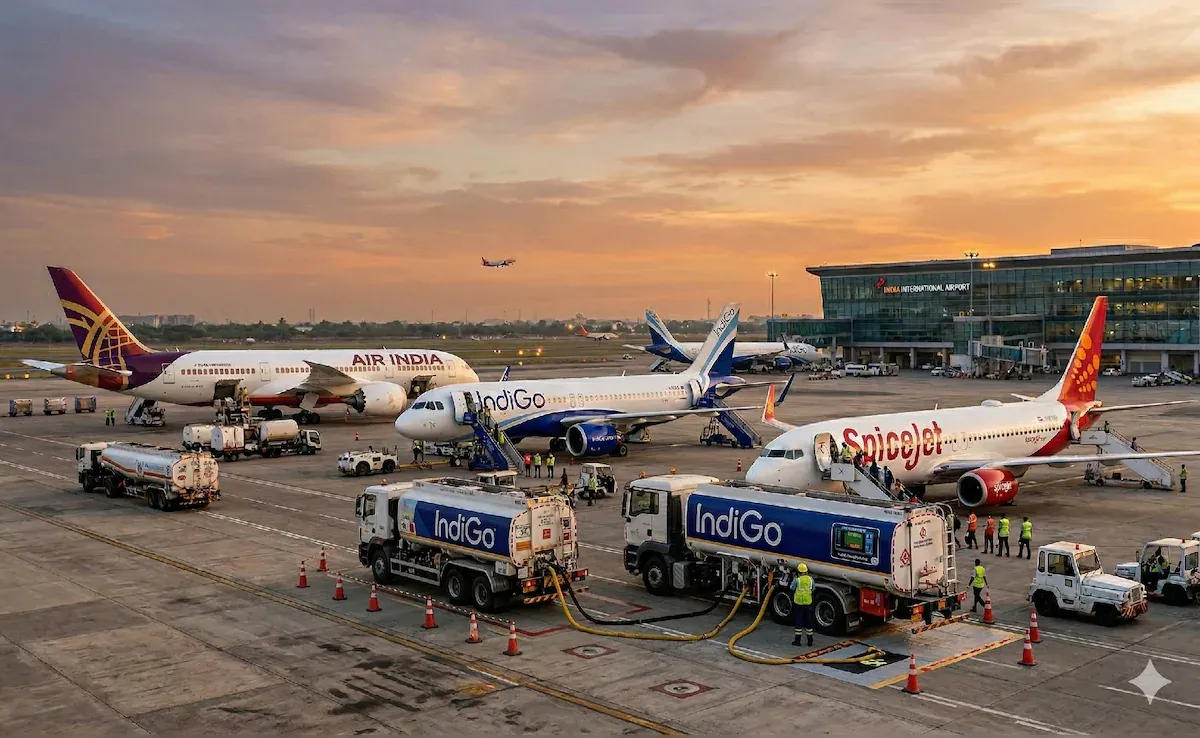
- One of the immediate fallout of any escalation around the world is the supply constraints of petroleum products. Such is the impact of conflicts, especially in the Gulf countries, that the whole world starts getting edgy because of the uncertainty surrounding the geopolitical situation. The unfolding events may rapidly deteriorate, prompting nations to leave no stone unturned in securing their energy requirements, exploring all available options at their discretion. Of course, the global community is aware of the initiatives and endeavours undertaken over the last few decades to not only embrace alternative energy sources but also ensure the seamless availability of energy supplies to remain viable.
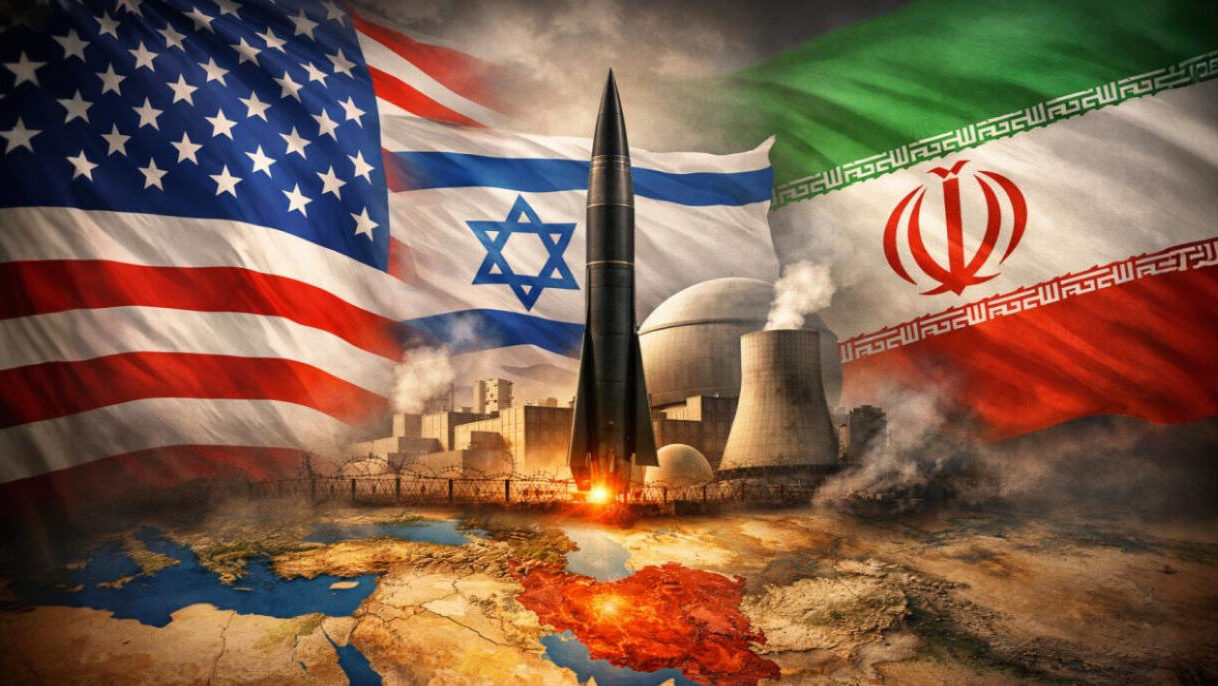
PC: The Media Line
- As we know, the present times are anything but peaceful since so many countries are at loggerheads, fighting wars of diverse nature, contributing to the uncertainty factor for several economies connected directly or indirectly. The latest conflict that has flared up of late is the US-Israel-Iran war in West Asia/Middle East, also engulfing the neighbouring Gulf countries, which sit on a wealth of energy for the whole world. Little wonder, ever since the latest war broke out, the whole world is convulsing because of the gas/oil/petroleum products shock. The conflict also has a bearing on civil aviation across the world, and India is no exception here. However, what needs to be noted here is that costly jet fuel may drive up airfares briefly, but what about competition?

PC: The Jerusalem Post
- There is none whatsoever that could be potentially a real long-term risk to Indian aviation. Note that India pulled its airfare cap recently without a price surge at that. The big question now is, what happens next month, when jet fuel prices are revised? If the US and Iran achieve “total resolution of hostilities”, as Trump hinted recently, the price pain might not arise. Crude slid below $100 within minutes of Trump’s announcement, and if peace prevails and the Hormuz Strait reopens, it will trend back to its pre-war level. But if fighting resumes, all bets are off. That’s a problem for aviation, because jet fuel isn’t seen as a need like diesel or cooking gas. There’s no strong political compulsion to cushion its price.
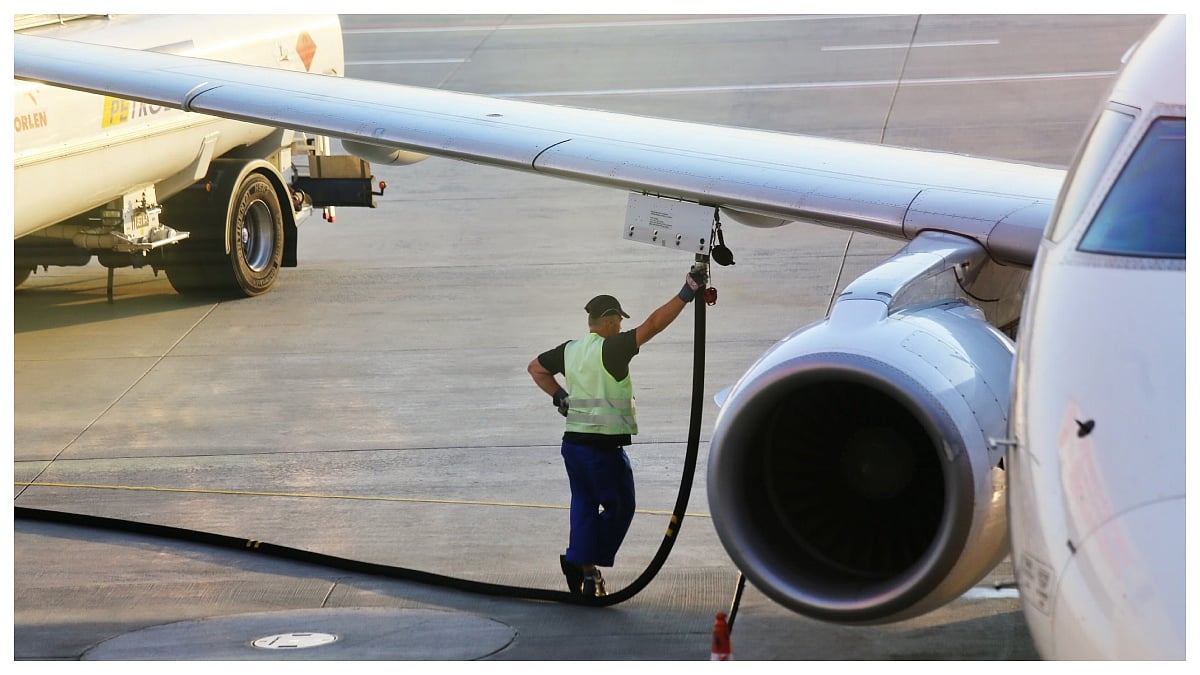
PC: Free Press Journal
- Notably, the benchmark for jet fuel in Singapore has touched $225 once, about $50 more than its peak at the start of the Ukraine war. Although India is a major producer and exporter of jet fuel, that won’t shield Indian airlines from fuel inflation. And since fuel is 40% of operating costs, no airline can absorb its impact for long. But India’s duopoly market, where the Big Two hold over 90% share, is especially suited to price gouging. So, the government must watch airfares. It can also offer some respite by slashing taxes on jet fuel until the war ends. It is imperative to create conditions for at least one more strong airline to emerge. Unless the sector becomes competitive with more players, the duopoly will be counterproductive for the Indian civil aviation sector.