
- Reams and reams have been written about the Indian dependence on imported crude oil, petroleum products, and gas to run the country’s needs. The dependency has only headed northwards ever since the economic progression happened on the back of an aspirational society, not settling for anything less. In line with the burgeoning population, stratospheric aspirations, and severe restrictions in meeting the demands locally, the successive governments had to initiate adequate measures to ensure the day-to-day needs are met satisfactorily. Since the options to produce requisite energy requirements within the country were inadequate, our reliance on importing energy from other countries has only increased over the years. The world over, every other country has initiated measures to embrace alternative energy by investing heavily in research and development to supplement the import necessities.
PC: INDOEN
- Over the decades, the Gulf countries have reaped in humongous revenue since they possess the world’s maximum energy availability and the desired infrastructure to meet the growing demands. The ongoing conflict in West Asia/the Middle East has laid bare how reliant we are on energy supplies. What should be our modus operandi to ensure a forceful thrust is placed on generating alternative energy to supplement the imports? How about placing further emphasis on electric vehicles and electric cooking appliances for a start? We use roughly 20mn tonnes of petroleum products in a month. Diesel, petrol, and LPG, in that order, make up about 75% of the total. What if we could replace some of it with electricity? This isn’t wishful thinking. Consider petrol, for instance. Last year, India sold 4.7mn cars, but only 0.2mn or 4.3% were electric.
PC: The Week
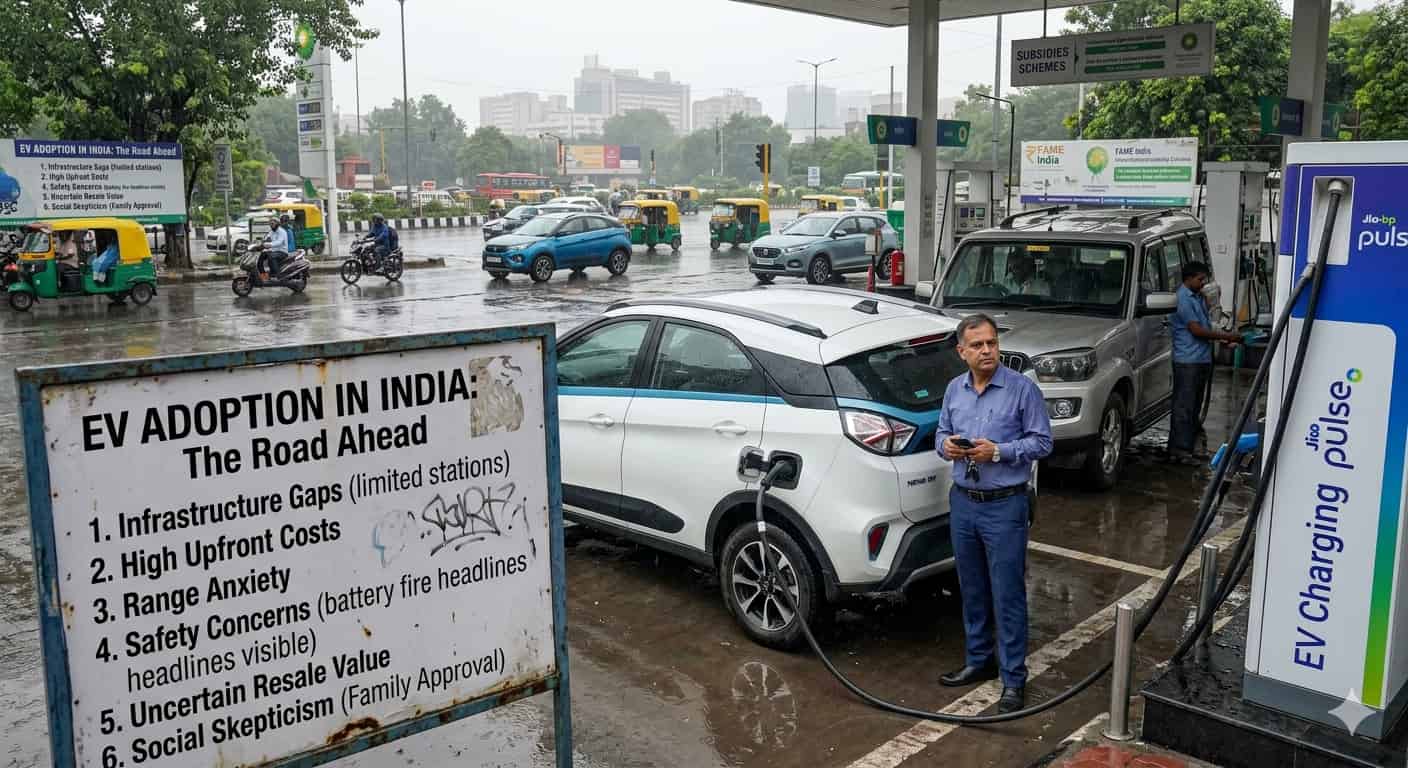
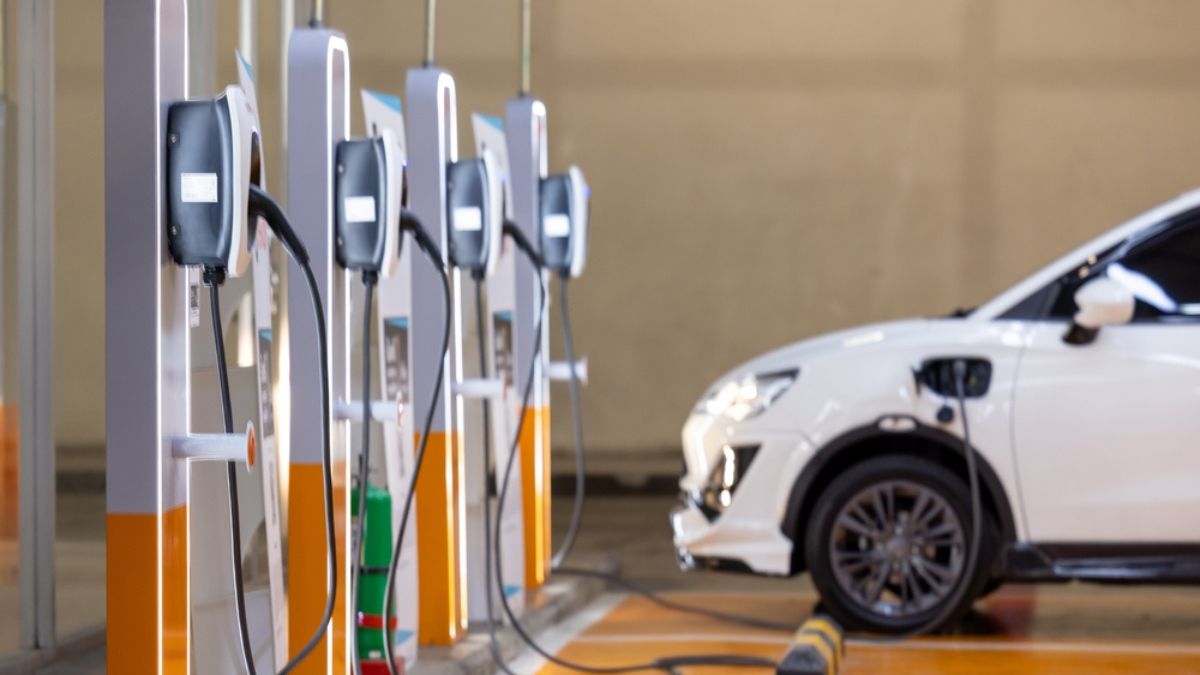
- China sold 24mn cars in the same period – 53% electric. The point is not that we are behind China, but that scaling up to 10% or 20% within a year or two should be easy, thanks to our small base. And when we do that, our dependence on imported oil will eventually start ebbing. Where and how to begin, then? We know the main hurdles to faster EV adoption. One, EVs cost more than comparable ICE cars. Two, range anxiety. Three, lack of public charging infra, and difficulty of installing chargers at home, especially in apartments. For the market, this is a chicken-or-egg dilemma. Car buyers won’t consider EVs until charging infra improves, but firms don’t have an incentive to install more public chargers when existing capacity is underutilized. That’s why govt must draw some lines now.

PC: Business Today
- Instead of hoping that we get to 30% EV sales by 2030, which we won’t at this rate, it should lay out clear year-by-year sales mandates. Since 40% of an EV’s price comes down to its battery, lighter cars with smaller batteries, therefore, less range are the answer. Battery-as-a-service, or BaaS model, with a monthly subscription for the battery could be considered. While we tax EVs at 5%, Baas is taxed at 18%. This must change. Switching to electric cooking should be easier because equipment costs are modest. And the energy savings are enormous, because induction plates and microwave ovens don’t waste fuel heating ambient air and vessels. They won’t cause indoor air pollution either. The government must promote these alternative energy requirements with absolute seriousness, irrespective of war thawing and gas prices getting reduced subsequently.