


- India’s aspiration to be bracketed among some of the leading artificial intelligence (AI) exponents in the last couple of years is stating the obvious. As we are aware, India did take a substantial lead in the information-technology services, thereby rendering a yeoman service to the global community in no small measure. However, AI is a different ball game altogether, demanding not only big investments to stay relevant in the fast-changing field, but also contributing meaningfully by developing a laudatory/emulation-worthy ecosystem. The moot point to ponder over here is whether India is positioned to push itself ahead of the other countries in advancing AI bandwidth in commensurate with our aspirations and objectives. Let’s dwelve to comprehend the matter.
PC: Let’s Data Science
- Notably, the AI investments must be targeted at both electricity and graphics processing units (GPUs). Advanced AI chips, called GPUs, are quite expensive. Just one of these can cost over $30,000. Yet, as of last Oct, India had deployed more than 38,000. Last year, our data centres, where these chips are installed, sucked 1.4GW of power from the grid, which is roughly a quarter of Delhi’s peak demand. By 2030, these centres could be consuming as much as 8GW, exceeding the capital’s load. This is a clear sign of India’s growth in the AI universe. We have human resources, and our compute is growing. But, is the space adequate? The answer depends on our AI aspirations. If we want to be counted among AI leaders, we will need to do better. Simple.

PC: The Statesman
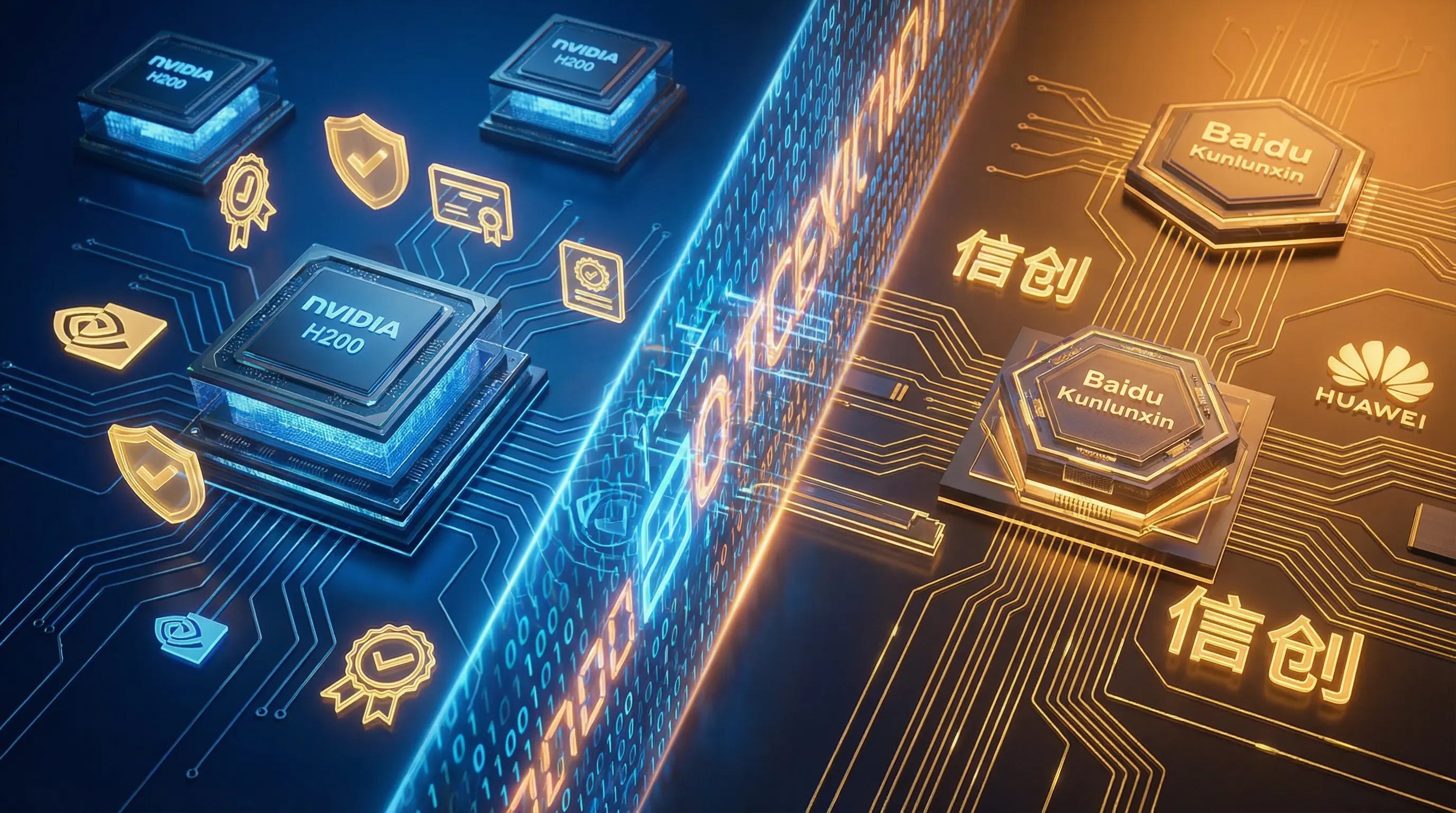
- Take, for instance, the US, the undisputed leader currently, which had 62GW of data centre capacity last year, which will grow to 76GW this year, and 134GW in 2030. Its lead over India will increase from 60GW to 126GW in four years. The US also controls the world’s supply of top-tier GPUs. That’s how it has slowed China’s rise in AI. Although Trump has allowed Nvidia to sell its second-best chip – H200 – to China, it must first ensure adequate US stocks. And China has been slowed, not stalled. While we have 38,000 GPUs, Chinese firms have pending orders for 2mn H200s. Given that Nvidia has only 700,000 in stock, it’s clear the GPU prices won’t come down anytime soon. China saw this coming 10 years ago and has invested $150 bn in chip-making.
PC: Hello China Tech
- Further, Huawei, Alibaba, and Baidu already have AI chips, although not of the highest order, and ByteDance has now developed one. In two years, Huawei hopes to catch up with Nvidia. Meanwhile, in the US, Amazon, Alphabet, and Microsoft have also jumped into the advanced chip fray. Where will we be in 2028? Still making 28nm chips for consumer-grade products. What are our options then? As Indians get richer, they’ll want to use more electricity to run geysers and ACs. High power prices due to AI demand could hit their quality of life. We need to think big now. Advance the chip-making plans; whatever it takes should be prioritized. Expand the energy infra, whatever it takes. Thinking small won’t get us to the head of the pack. Investments will.




 and China's massive chip investments. To claim a meaningful position among global AI leaders, India must urgently scale up chip manufacturing beyond 28nm consumer-grade production and aggressively expand its energy infrastructure. Without bold, large-scale investments in both compute power and semiconductors, India risks falling further behind in the global AI race.)