

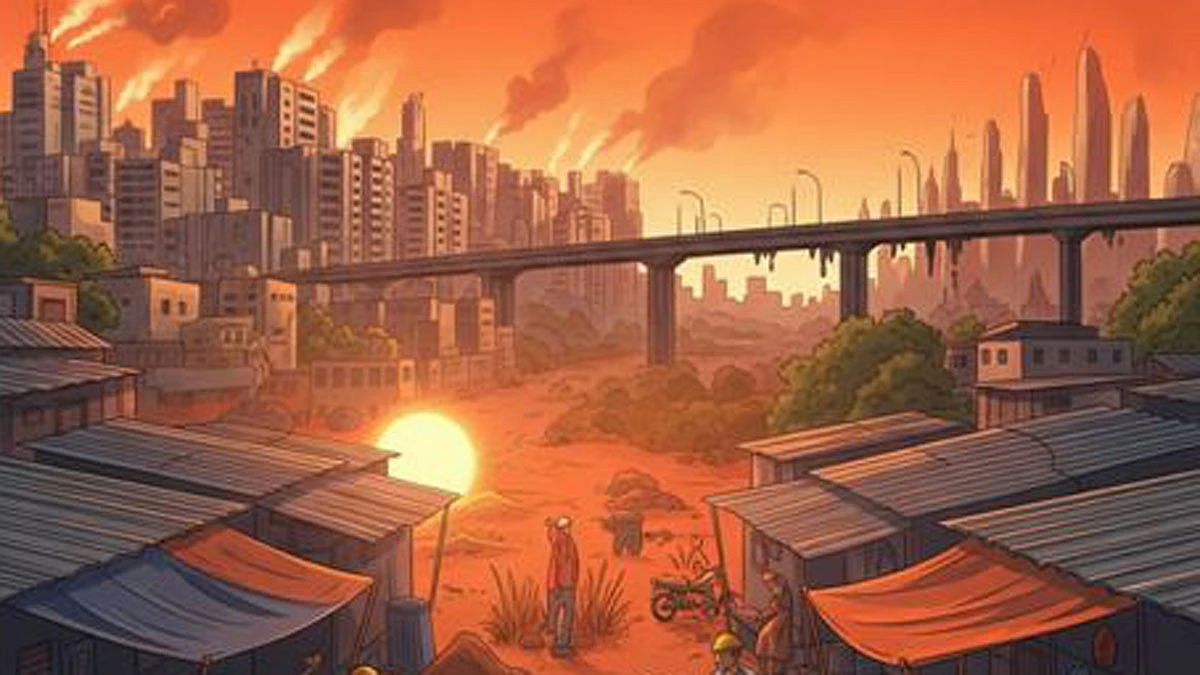
- As we know, the Indian summer is always harsher with extreme heat, unbearable humidity, and a debilitatingly suffocating environment all around, making life extremely challenging to lead. Especially during the months from March to July, the prevailing conditions would often make it unbearable. The northern, western, central, and eastern regions are more prone to experiencing heat waves during the hot summer months. In comparison, the southern region usually receives pre-monsoon showers when the heat reaches its peak, making it a bit more tolerable than other regions. However, there is an increase in temperatures in some regions known for moderate weather patterns as well. For instance, Bengaluru.

PC: Deccan Herald
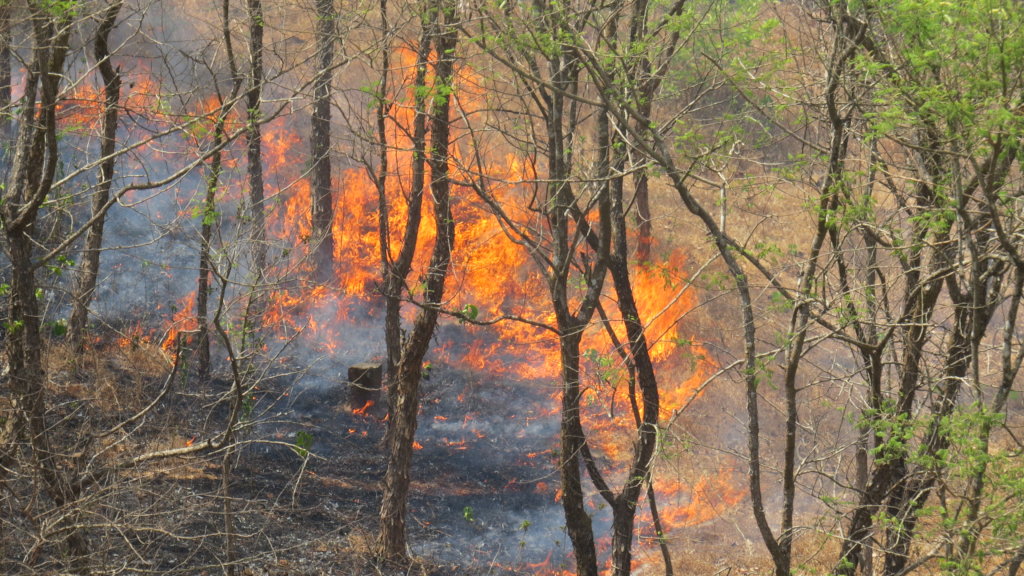
- Most disconcertingly, even Bengaluru is witnessing high temperatures combined with heat and sultry weather conditions, making it uncomfortable. People calling Bengaluru home for years would have noticed a palpable change in the heat patterns afflicting the once salubrious garden city. Let’s look around the Indian cities. Last week was infernally hot. Indian cities took the top 95 positions for day temperatures. And the hills promised no respite. They were hot and burning. Reports of forest fires from Uttarakhand and Tamil Nadu made Page 1. Nothing unusual there – it’s India’s annual 12-week wildfire season after all. But satellite images showed 13,771 large fires across Indian forests by Monday, last week, more than the average for the past 14 summers.
PC: GlobalGiving
- And it fits into a global trend of worsening wildfire seasons. Across the world, forest fires start earlier and last longer, for three main reasons. One, rising temperatures, especially at night; two, less rain; three, early melting of snow. In India, the snow factor only applies to the northern mountains, but the other two are experienced everywhere. For example, while our attention is riveted to fires in scenic Kumaon and Nilgiris, Gujarat and Bihar have had the most forest fires in the past four weeks. Now, forest fires are normal. They occurred before humans – friction caused by wind in dry weather, and lightning, caused massive fires. What’s abnormal about today’s fires is the warmer climate we have created, which makes starting and sustaining a fire easier.

PC: Global Voices
- Studies show forest fires now burn twice as much tree cover as they did 20 years ago. And they add even more carbon dioxide to the atmosphere, making Earth toastier. While burning of fossil fuels releases 37bn tonnes of CO2 annually, forest fires can add another 8bn tonnes, or 20% more. Plus, loss of trees reduces the capacity to pull CO2 out of the air. In 2024, the world lost 13.5mn hectares of forest cover – more than the area of Greece. Long story short, to save forests, the world needs to reduce greenhouse gas emissions fast. In other words, burning fewer fossil fuels. Easier said than done when temperatures and incomes are rising. Usage of ACs has increased. We use 22% of energy from solar power. But more needs to be done to cool temperatures.