

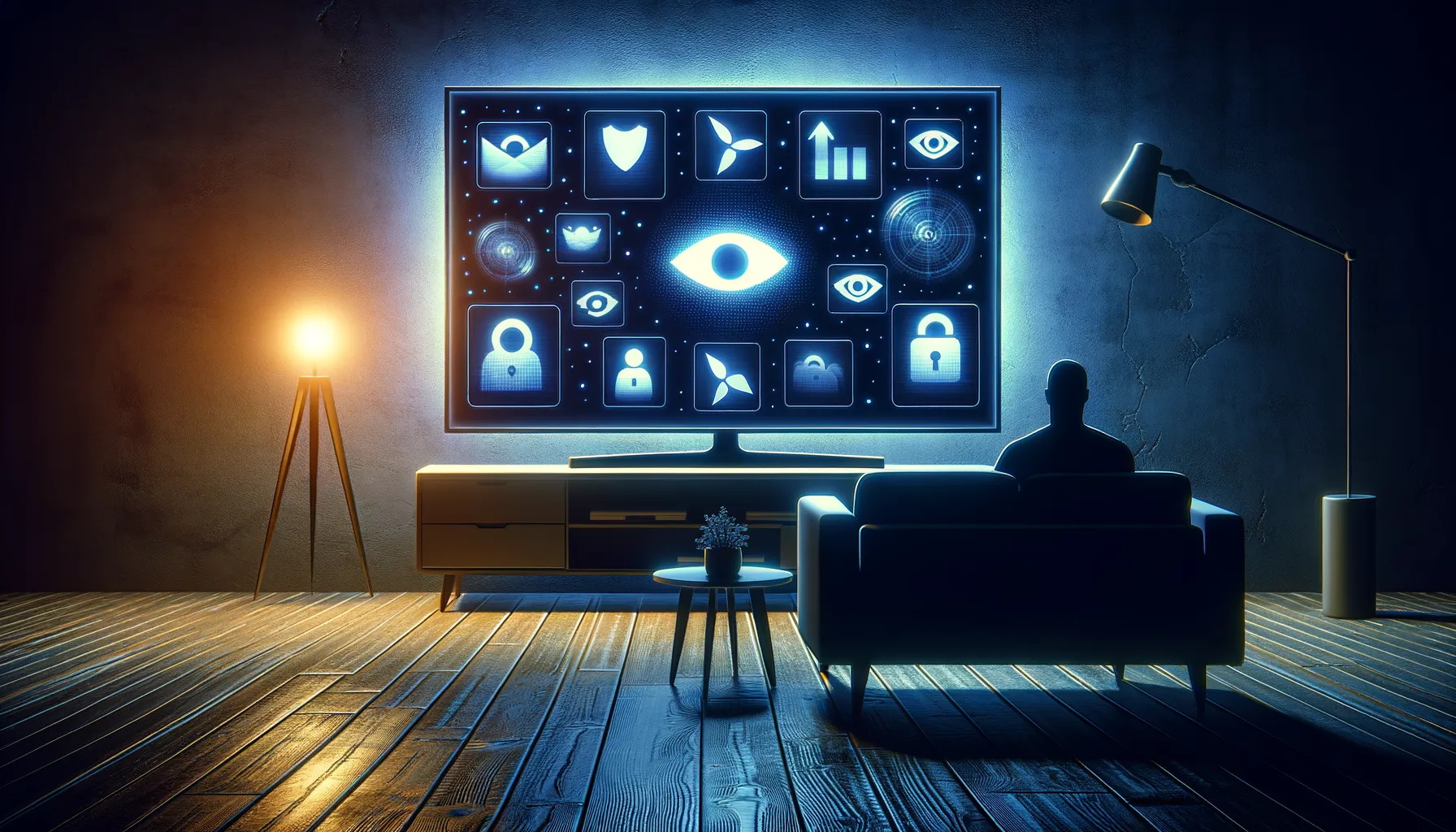
- As the popular saying goes, any innovation/invention/initiative that arrives is akin to a double-edged sword. It can be helpful and dangerous, advantageous and disadvantageous, and of course, inherently possessed with merits and demerits as well. How these new developments are utilized for the overall welfare of humanity defines where the same is headed. The advent of cutting-edge technology revolution in the form of the internet, digitalization, and now artificial intelligence has ensured the global community is bestowed with hitherto unimaginable technological prowess. One of the most ubiquitous presences is the widespread usage of smart devices that have pervaded our day-to-day lives with such penetration that we cannot live without them anymore.
PC: Popular Science
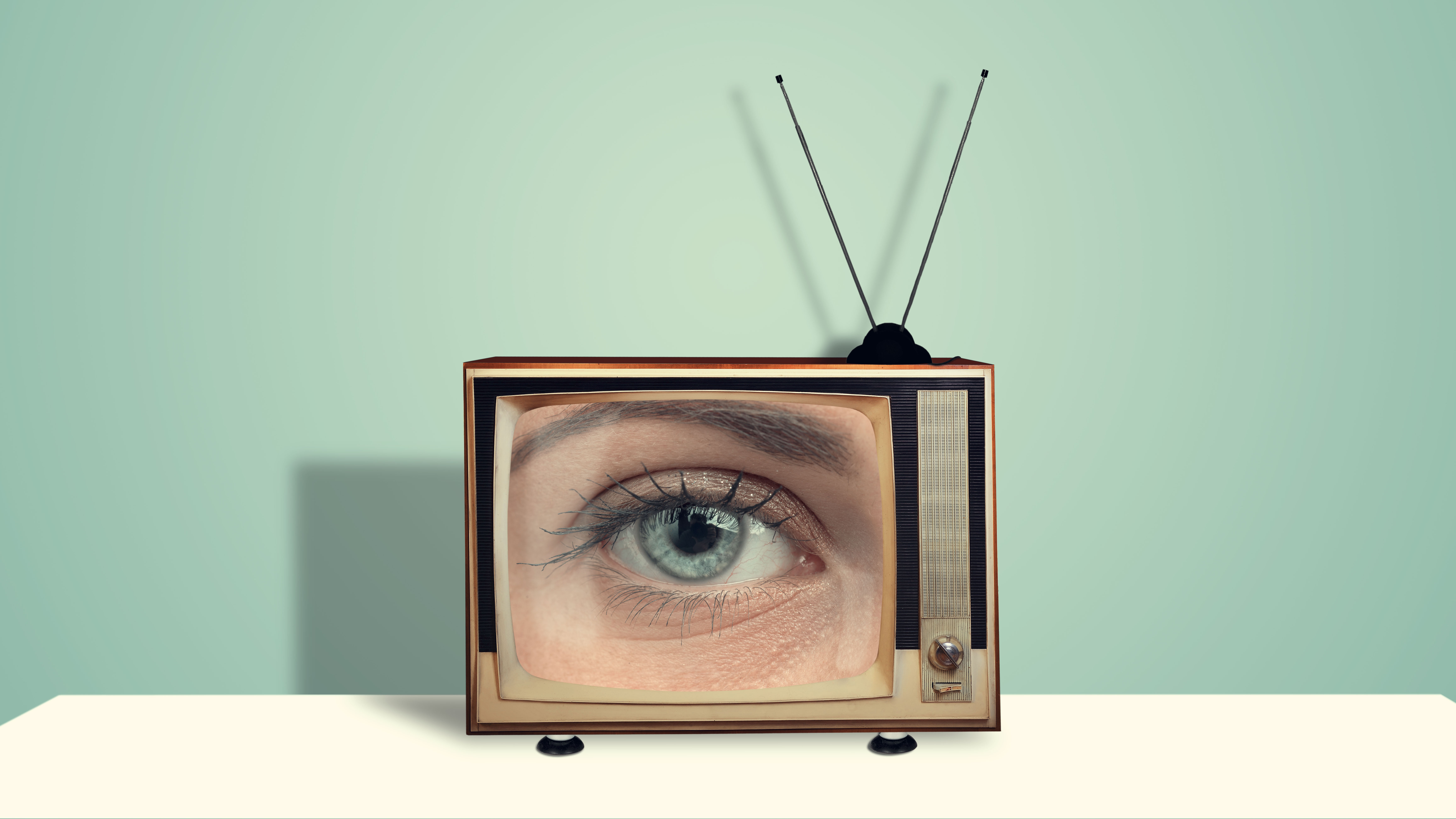
- However, what must come as a concern is the reported snooping that is being perpetrated by the enterprising Big Tech houses, and in some cases, the government authorities, to collect vital data for various reasons. So much so that even our smart TV can be rightly termed as a mole. As reported in newspapers, it collects snapshots of everything we watch and hear, and sends them to ‘data brokers’, so that they can refine our profile and sell it to advertisers. Are we surprised? Yes, although we shouldn’t be, knowing that our phones – and the apps on them, tablets, and laptops are all part of the ‘surveillance economy’. Smart ACs, those with voice command functions, can be easily hacked to listen in on bedroom talk. This is personal interference, no less, you see.
PC: TechRadar
- Smart cars keep a GPS log of every place we’ve been to. Why should smart TVs be less devious? More than surprise, there’s a sense of betrayal. We weren’t told that, while bingeing on shows, we’d never be alone in the room. That once every 500 milliseconds – 7200 times an hour – our TV would relay info about shows and ads we’ve sat through. And for what? That’s the easier answer. Our family’s old ‘idiot box’ TV was a one-time purchase. The manufacturer didn’t earn a paisa from us after the sale. But by sharing our viewing habits and tastes with advertisers daily, our smart TV becomes a perpetual revenue stream. This kind of spying – automatic content recognition or ACR – is the reason those 65-inch TVs have become so cheap. Manufacturers don’t need to recover their costs upfront.
PC: CNN
- Last year, the global market for ACR data was worth $4.2bn. By 2034, it’s expected to touch $23bn – a yearly growth of 21%. Should we be grateful for ACR, then, and view it as a subsidy? No. There’s no subsidy. We pay more overall – a lump sum first, followed by a pay-with-our-privacy model. And, ACR is a secret clause. It’s not disclosed to us at the time of sale. Wouldn’t we pay more for a TV that didn’t track us? Cheaper hardware is no justification for invasion of privacy. Just as a discount doesn’t entitle a hotel to install cameras in its bathrooms. Plus, this kind of profiling is risky when the data flows to foreign servers, and possibly govts. Viewing habits can reveal political leanings and expose us to targeted online influence. That’s why it’s important to curb ACR use.