


- We Indians are aware that our society continues to be patriarchal, misogynistic, and male chauvinistic despite the country progressing tremendously over the last few decades on the back of unimaginable developments courtesy of the cutting-edge technologies embraced with open arms here. Laudably, the government authorities have been making earnest efforts to introduce gender parity, equality, unbiased treatment, and offer a level playing field for females to excel. It’s a matter of great pride to note that women have made their presence felt in literally every walk of life, ushering in much-needed diversity in a largely male-dominated society. Several hitherto considered male dominions have been breached by women with great dexterity. Kudos!

PC: RFI
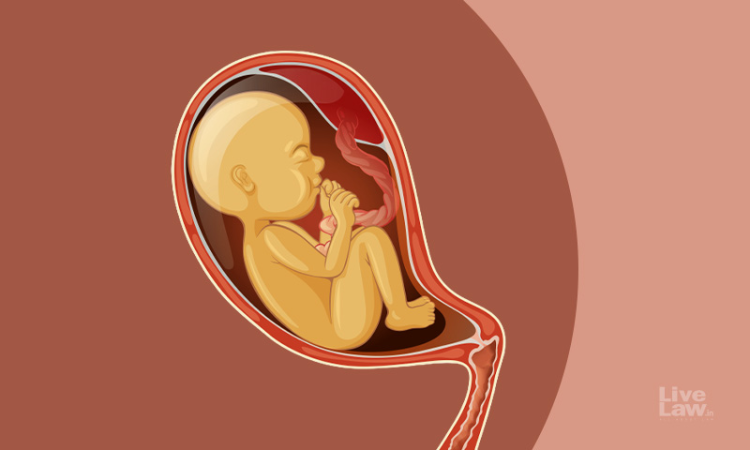
- However, the moot point to ponder over here is whether it’s enough to ensure women comfortably feel at par with their male counterparts with force. What about body autonomy, or to be specific, the prerogative to decide about having or not having children? What about freedom of abortion when women decide not to proceed with the child? On paper, Indian women have a sympathetic law to access abortion. In practice, it is a permission slip that the medical establishment frequently refuses to sign, often persuading courts to also follow its lead. But last week, the Supreme Court really called out such overreach, by AIIMS no less. The bench of Justices Nagarathna and Ujjal Bhuyan underlined that neither the absence of foetal abnormality, nor the passage of time, negates a pregnant woman’s right to terminate her pregnancy.
PC: LiveLaw
- Mind you, these are arguments used to deny women’s autonomy as commonly as wrongly. But if doctors can use such arguments to block a woman’s exercise of autonomy, it’s because the law doesn’t empower her to seek an abortion simply based on deciding what’s best for her. While one medical practitioner must support her decision for a pregnancy up to 20 weeks, two are needed between 20-24 weeks, and beyond this, she must be supported by a specialized medical board. As in the above case, this support is often denied based on foetal viability, a legal concept imported wholesale from American anti-abortion jurisprudence. But this is only one of the many faces of medical stonewalling. Let’s dwelve into a few instances of obstacles faced by pregnant women.

PC: The Federal
- A 27-year-old married mother of two pleading mental health, a 20-year-old female NEET aspirant pleading career, a 15-year-old rape survivor, and the only thing common to all the women who are being denied access to abortion is that they are women, Indian women at that. Of course, she will fight on. Because she can’t just surrender control of her own body, inseparable from her mind. Even if that means a strange situation where the courthouse, not the clinic, seems to have become the primary venue for reproductive health. The only way to escape this abnormal condition is to properly hand over the right to abortion to women. Right now, the same very muchvests with doctors instead. Empowering women in their bodily choices should be prioritized. Simple.