

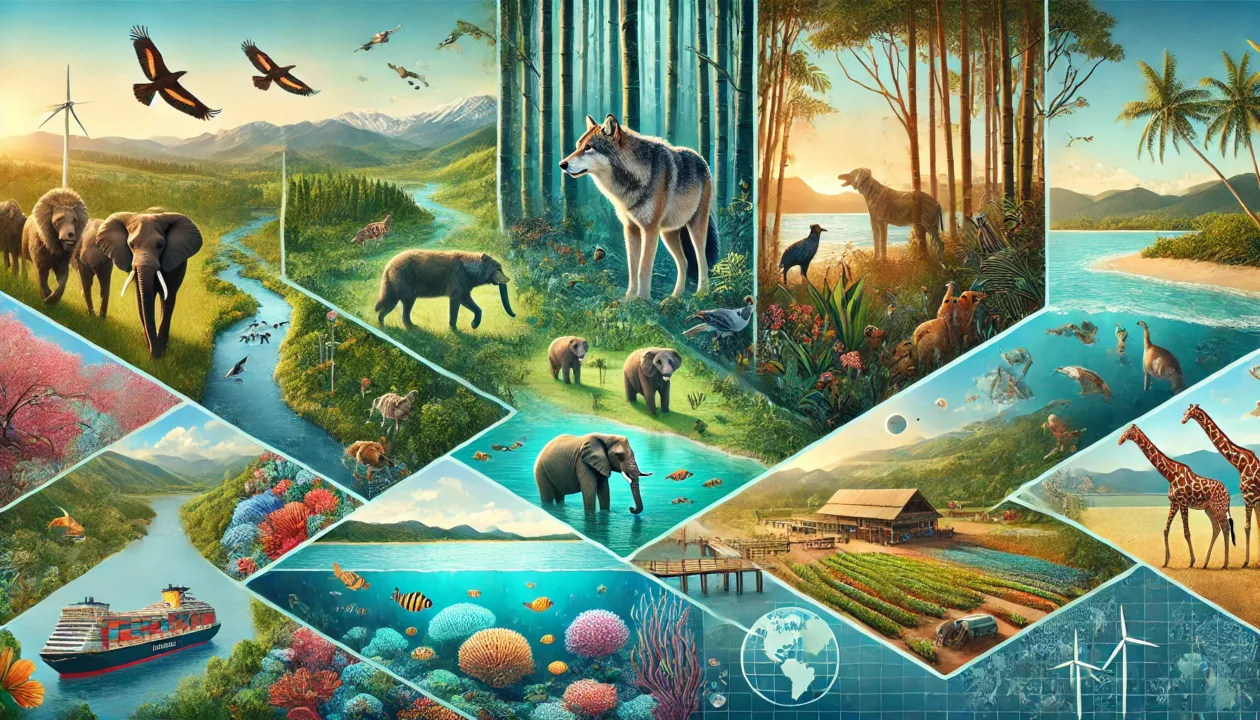
- One of the most common signs of contradictory policies of the government authorities is the way human-animal conflict and the conservation/preservation efforts towards endangered animals pan out in the Indian context. The humongous developments happening around the country, vis-à-vis infrastructure and in commensurate with the modern-day requirements, need no elaboration. Moreover, the present dispensation at the Centre is quite gung-ho about the narrative of the country being positioned among the most developed nations by 2047. Further, the aspirational society of India will not settle for anything less than what is available across the world. Why should our citizens be deprived of all the latest amenities available for good use?
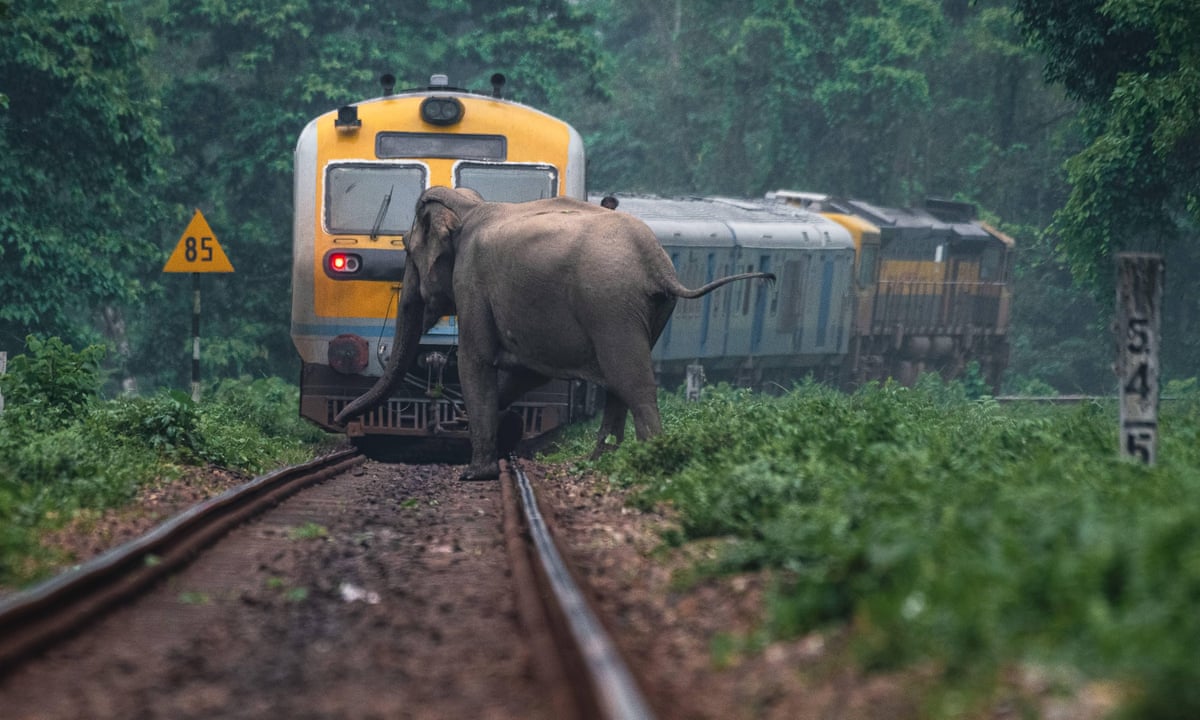
PC: The Guardian
- Appreciation must go to successive central governments for undertaking several noteworthy conservation measures towards endangered animals over the last few decades. The case in point is the way Tigers are flourishing in India. However, the recent gruesome killing of an elephant herd underlines how myopically and insensitively India is looking at animal corridors. The country awoke to a high-speed passenger train striking a wild elephant herd in Sangjurai village, Assam, killing 8, including 4 calves and a pregnant female. This was the fourth such tragedy in the country this year alone. And it brings the toll of such fatalities since 2019-20 to 94. This is sad. Villagers say that repeated pleas to have Sangjurai declared an elephant crossing area were ignored. Why?
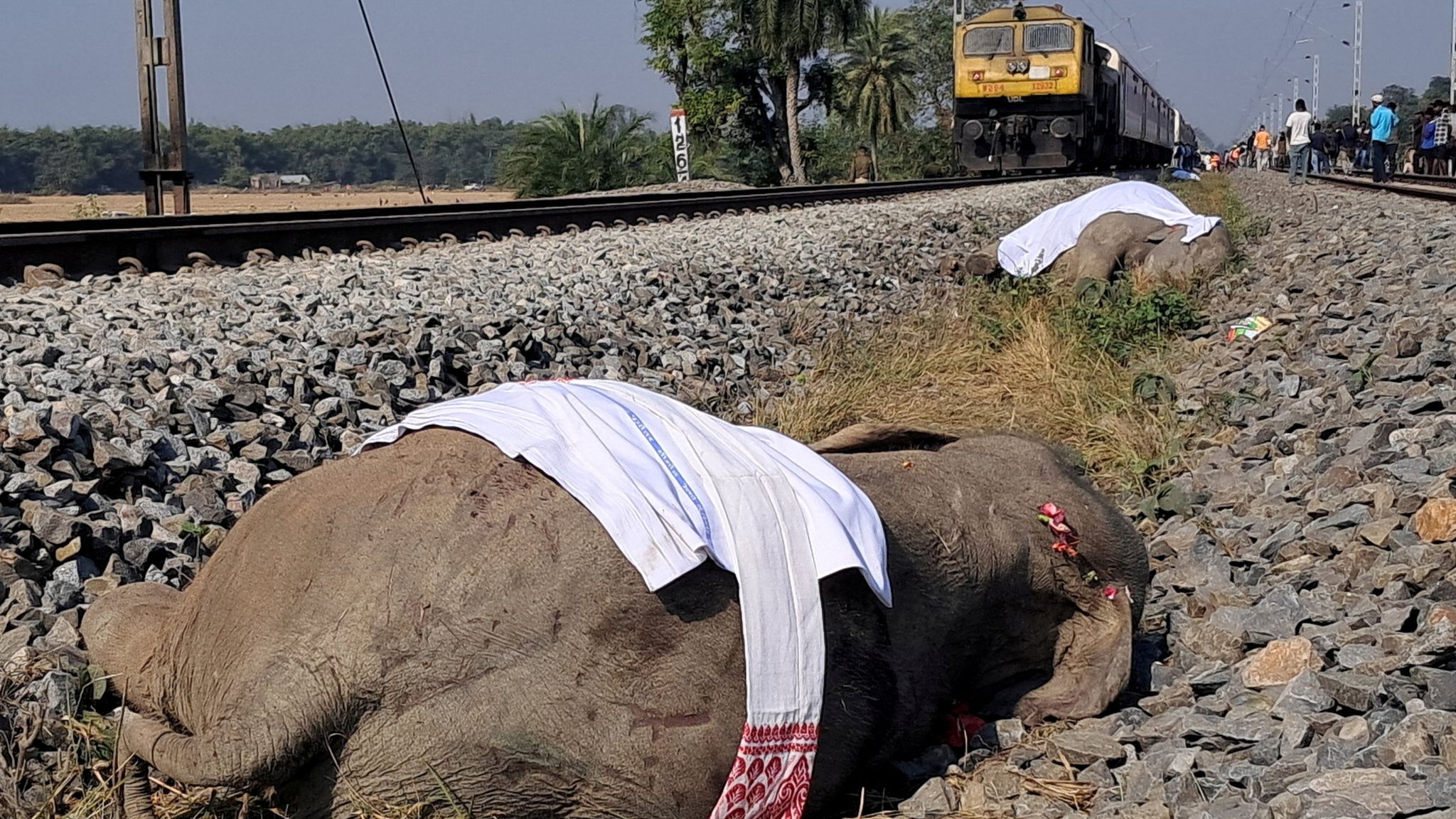
- Otherwise, the Rajdhani Express wouldn’t have been speeding through the village at 2 am. Detaining the train drivers afterwards is only a smokescreen. The real issue is that colonialists heartlessly cut through important animal migration routes and habitats, and eight decades on, their mindset endures. For the uninitiated, including India, there are only 17 megadiverse countries in the world, recognized for hosting a majority of the world’s species. Everywhere else, animal populations are dwindling courtesy of expanding human habitation. But without functional corridors, wild populations become isolated in small pockets of inbreeding. Corridors alone can ensure viable populations in the long term. Why are the authorities not paying heed to this?
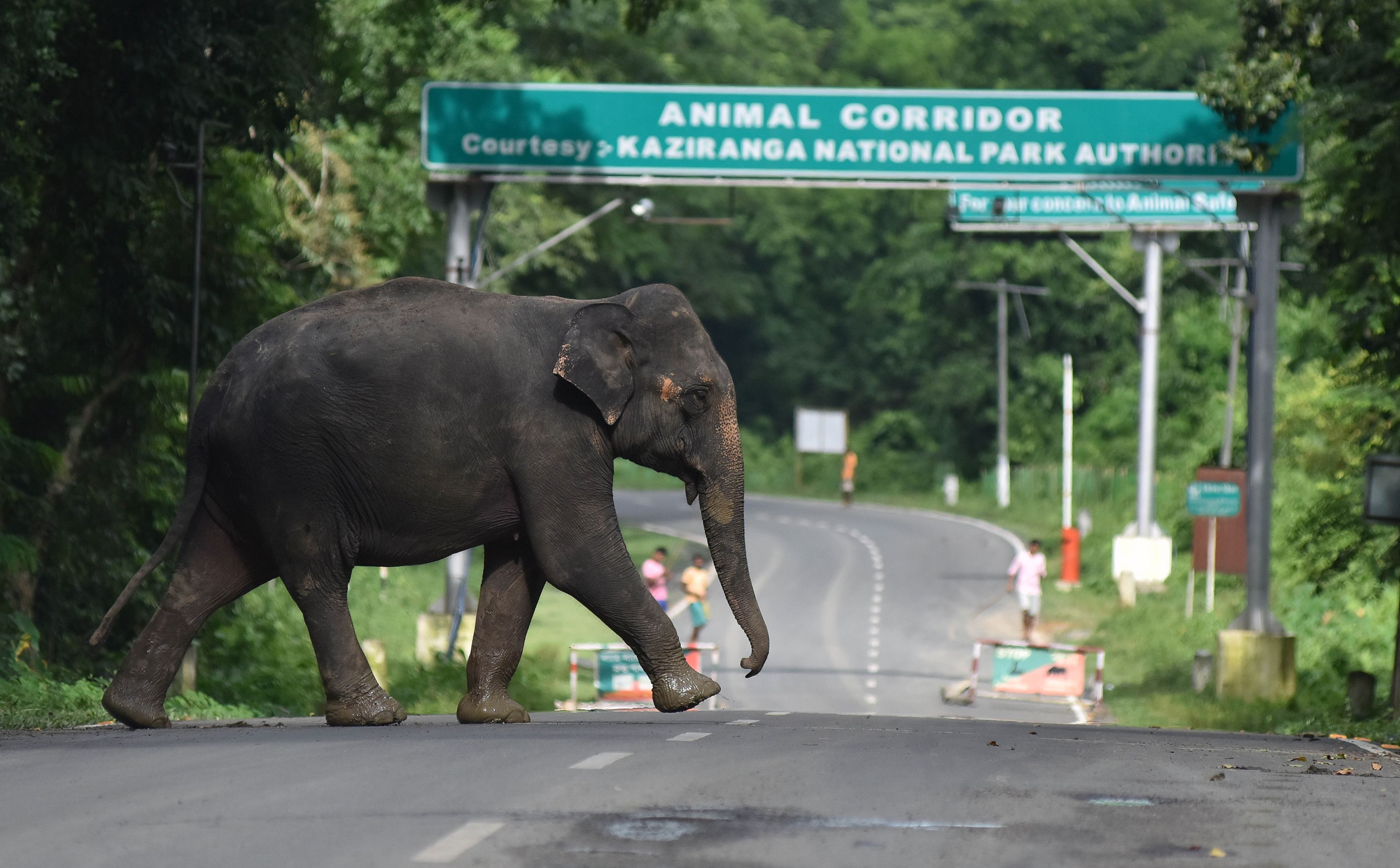
PC: Pacific Standard
- This ensures revenue and jobs from wildlife tourism. Healthy ecosystems also mean water security, soil quality, and climate resilience, all critical for agriculture and human wellbeing. To underline, apart from saving animals, corridor conservation has excellent economic logic. That government doesn’t realise this is evident in how deaf it is to citizens trying to speak for wild animals. Gruesome events like Saturday’s are part of the design. If the railway network is expanded through animal migration zones as if these didn’t exist, their deaths are consciously written off. What is truly inexcusable in the Assam case is the underuse of an AI-powered, real-time alert system that triggers speed restrictions and averts collisions. The least we can do is to at least slow down.