
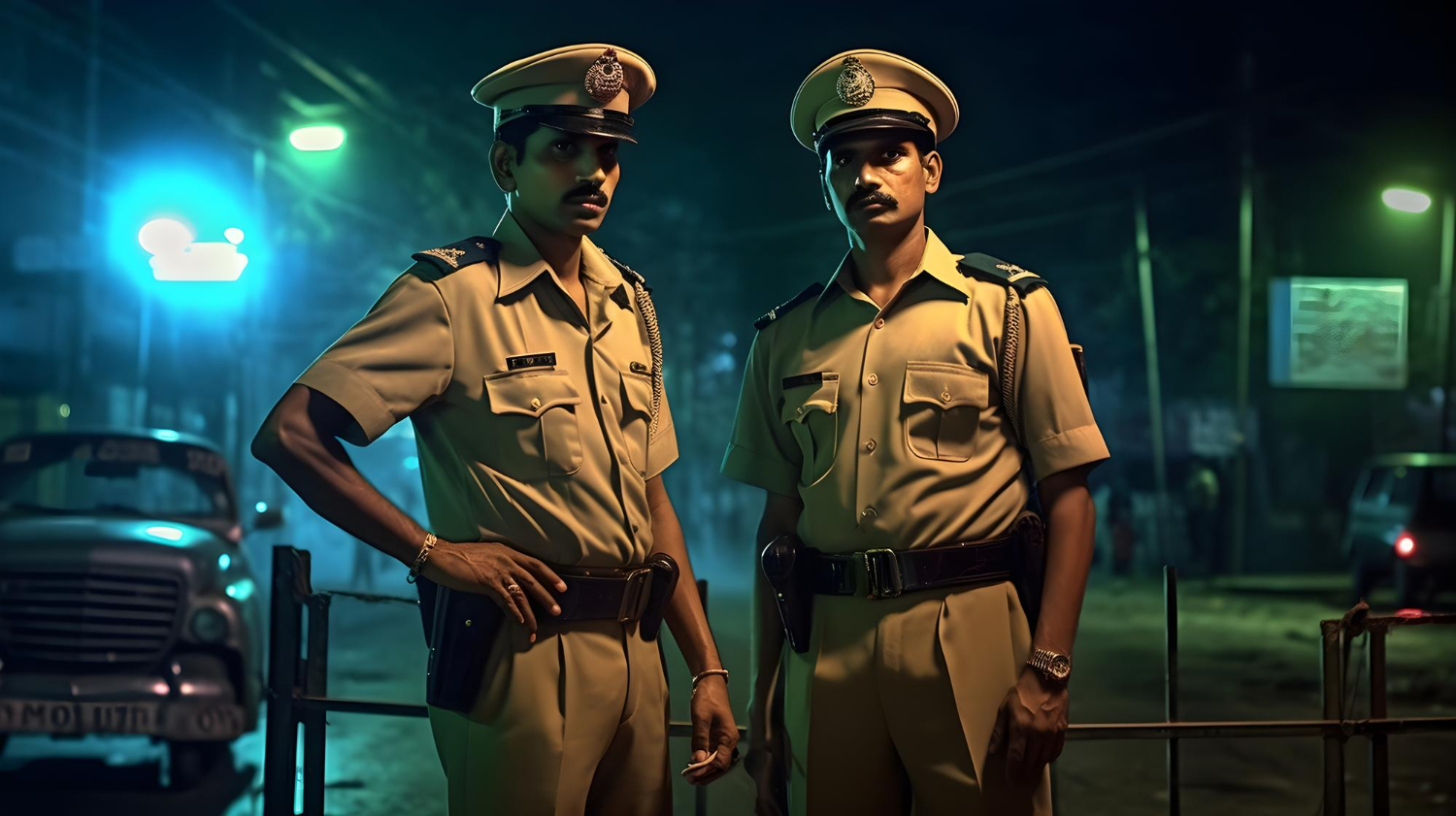
- Howsoever the Indian police make earnest attempts at refurbishing their largely tarnished image in the eyes of the people, the law enforcement agency continues to be viewed with suspicion, apprehension, lack of confidence, distrust, and a general sense of cynicism. For any ordinary Indian citizen, the very mention of police brings to the fore the unholy nexus with the political class, as also widely despised corruption so rampantly entrenched in the system for too long now. Indeed, the way the police are portrayed in our movies, stories, conversations, and day-to-day existence that we are bound to view with absolute apprehension. The police have themselves to blame for not building bridges with the common citizens by showcasing neutrality when it matters most.

PC: Scroll.in
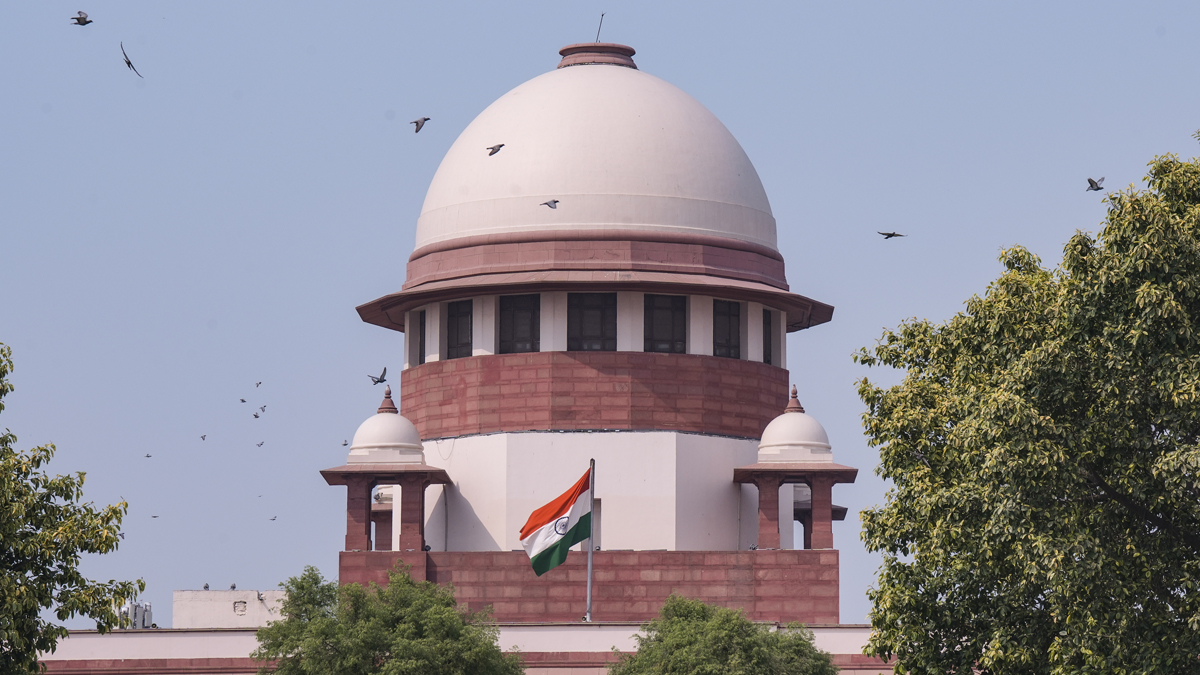
- While the police image desperately needs burnishing, the political masters are not contributing to the cause by ushering in much-needed reforms that are crying for implementation. The supremacy of the political masters ensures the obsequious subordination of the police, rendering them nothing more than mere pawns. Yes, the Supreme Court did time and again castigate the executive and the legislature to usher in police reforms, but the reluctance of the latter must befuddle the public. Yes, we know the political class wishes to enjoy the authority over the police, but the overall well-being of the people in a democratic setup suffers immensely. Little wonder, people are cautious to even step in to help accident victims for fear of the police haunting them later.
PC: The Week
- While humanity demands that every conscientious citizen extend every possible help to the accident victim, most of us are reluctant to come to the aid, reflecting our complete distrust of the police, fearing getting entangled in the legal quagmire. Even incentives can’t get strangers to help accident victims. Only trust in the police will bring in change, you see. As reported, the UP government has announced its implementation of the Union Road Ministry’s April measure – raising the incentive for bystanders whose immediate help saves an accident victim’s life from Rs.5k to Rs. 25k. It returns focus to a scheme based on faulty logic from scratch. India’s Good Samaritan rules were made in 2015 on a nudge from the SC, seeking protection of bystanders.

PC: Freepik
- From what? What else but police harassment for helping accident victims? That’s got to be good. But doing good can go wrong. Consequences of getting involved with the police are unpredictable – bystanders risk becoming deer caught in cop headlights, it’s all too easy to get trapped in a morass. The long loaded questioning of a Good Samaritan, pressure to become a witness, irrelevant personal details sought, getting caught in a medico-legal case, are deterrent enough. However harsh it sounds, a perception is cast in stone that helping is avoidable because of the image of police harassment. It’s one reason why bystanders and witnesses record horrific events instead of helping. The only way to rebuild the police image is to undertake long-overdue reforms.