

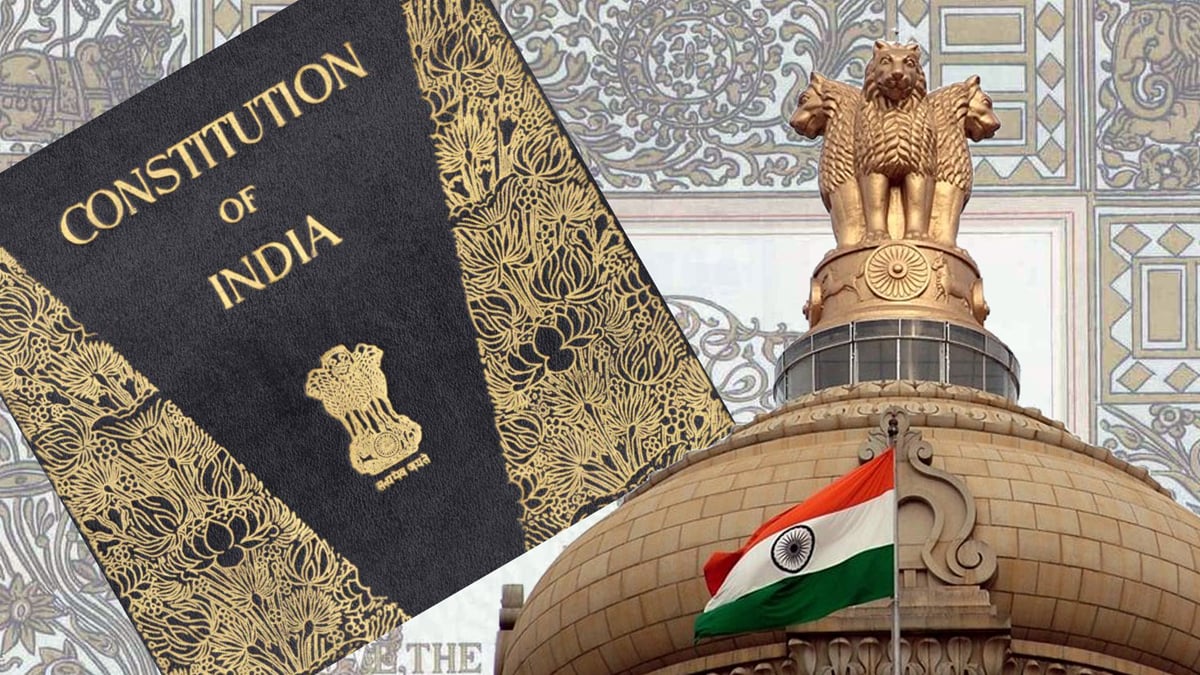
- Ask any Indian citizen about which of those institutions they implicitly trust and repose faith in, and the immediate answer would be the higher judiciary. Especially, the Supreme Court, which most of us would consider as the last resort seeking to obtain relief/justice after traversing the judicial processes set forth as per the Constitution, with painful delays marking the journey. Thankfully, the Supreme Court has been at the forefront, coming to the aid of the common citizens whenever the other arms of the Constitution have failed to uphold the tenets of the rights as enunciated. Of course, the Indian citizens are aware of the ways of the justice delivery system in the country, which takes years, sometimes an entire life, to arrive at a decisive verdict.

PC: MediaNama
- The less said, the better the huge volume of pending cases at various courts of the country. Even more depressing are the statistics about the millions of undertrials waiting for trial for years on with many having given up hope a long time back. Mind you, there is this perception that has managed to take deep roots that the high and mighty have it easy by escaping the long arms of the law of the land. Several instances have been reported highlighting how people with deep pockets tend to receive faster verdicts, but not at the level of the higher judiciary. And one of the most common matters that keeps hitting the headlines is the way rights to free speech and expression are interpreted by the executive, the legislature, and the judiciary.
PC: Telegraph India
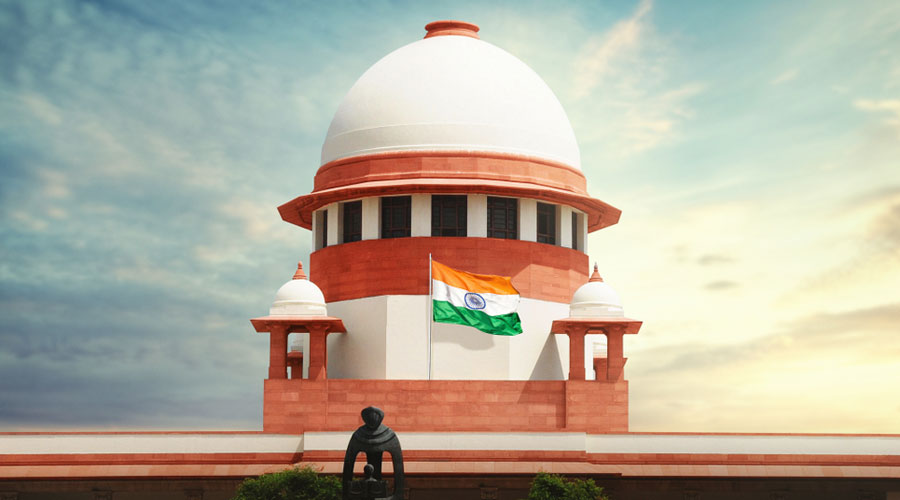
- Thankfully, the Apex Court has been unambiguous in delineating the guidelines governing this critical aspect in a democratic country like ours. As such, the HCs and trial courts must follow the SC’s line on free speech with intent. The Constitution is clear: You have the right to freedom of speech and expression, subject to reasonable restrictions. But like an Ashokan edict carved in stone, the Constitution’s letter is only as good as the spirit of the institutions tasked with upholding it. In the recent Tamil movie star, the SC has once again struck a blow for free speech. While clearing the film’s release in Karnataka, it has made it abundantly clear that one person’s hurt sentiments are not a reasonable ground for curbing another’s right to expression.

PC: Telegraph India
- The SC said that in India, there will never be an end to the hurt sentiment phenomenon. But for that, the right to free speech cannot be jeopardized. Three months ago, in the Imran Pratapgarhi case, the SC had forcefully made the same point: Even if a large number of persons dislike the views expressed by another, the right of the person to express the views must be respected and protected. The SC could not have made itself clearer any more than it can. There’s no way its word can be misunderstood or misinterpreted. There’s only one SC above hundreds of HCs and subordinate courts. If free speech is a pillar of democracy and a tenet of the Constitution, it shouldn’t have to run the gauntlet with the hope of eventual salvation in the apex court. Period.