
- The global community must be exasperated with the way the geopolitical and geostrategic scenario is being played out, especially after the COVID-19 pandemic hit us. The ongoing conflicts across several territories have only further exacerbated the economic conditions of countries in more than one way. Either directly or indirectly, every other country finds itself in the firing line since trade across the continents is coming in the way of seamless transactions. Most worryingly, the advent of Donald Trump for the second term of the USA’s presidency has only added to the suffocating trends courtesy of the tariff war unleashed. Besides this, Trump’s penchant for fishing in the already muddied waters has created a destabilizing situation in the Middle East/West Asia.
PC: ABC
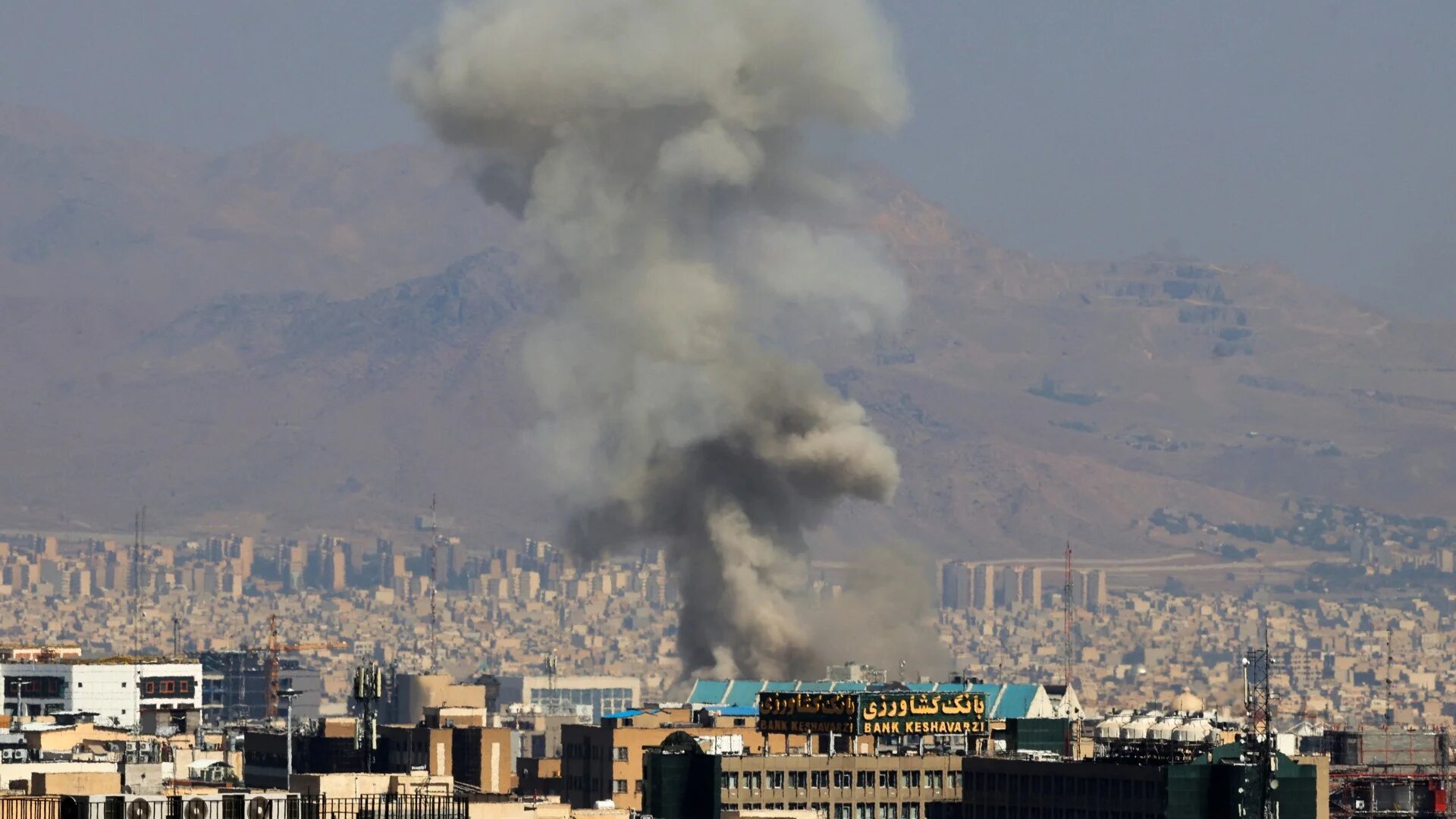
- The joint US-Israel bombing of Iran recently that resulted in the killing of the Supreme Leader Ayatollah Ali Khamenei and other top leadership has further expanded the war, with Tehran not taking any step back with retaliatory bombings. This situation is bound to evolve into a full-blown oil crisis if the nations concerned do not initiate measures to ease the spiraling tension. As we know, the oil prices were rising before the Iran war started. The question now is, how high will they go? Analysts say it depends on how long the war lasts. When Israel attacked Iran last June, oil briefly jumped from less than $70 a barrel to around $80, which was far below the $100-120 analysts had predicted. But that was a 12-day war.
PC: The Times of India
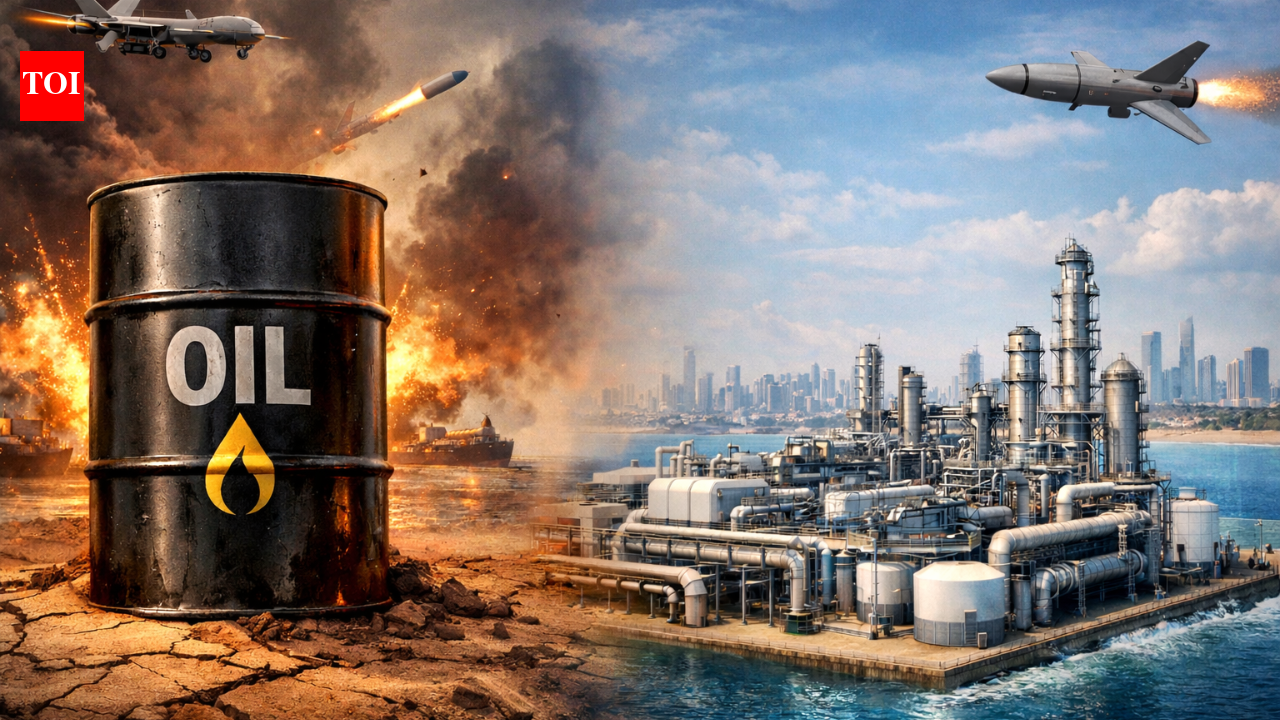
- This time around, amid US buildup, oil had already touched $72.5 last week. It’s expected to nudge $75 within a week, and rise to $100 eventually if the war drags on. And indications are apparent that the war would drag on for some time. A prolonged war will impact West Asian oil supplies to big buyers like India and China in three ways. One, tankers can’t sail through the Strait of Hormuz under Iranian fire. Two, Iran targets neighbours’ wells and refineries, and three, its proxies in Yemen once again close the Red Sea route to ships. If tankers reroute around South Africa, freight costs alone could potentially rise to 60%. Some 20mn barrels of oil flow through the Strait of Hormuz daily – roughly equal to India-China combined daily demand.
PC: The Times of India
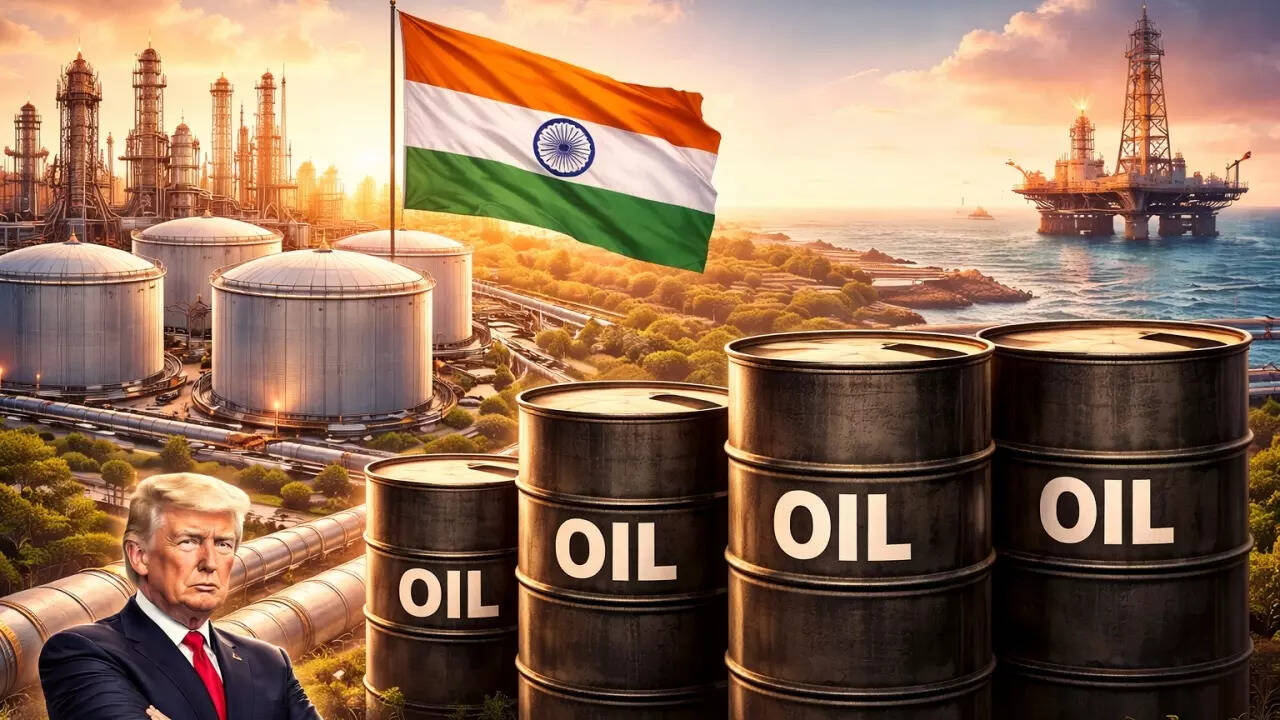
- There’s no easy way to replace it. After India scaled back Russian supplies under US pressure, its dependence on oil from Iraq and Saudi Arabia has increased. With Venezuela producing less than 1mn barrels a day, it’s not an alternative. Brazil and US supplies won’t be available immediately either. Oil at $100 is bad news beyond pump prices because it will stoke inflation. By some estimates, a 0.6-0.7 percentage point increase is possible. That will slow down economic growth. The hit will be even harder once the dollar further strengthens. But how bad things get will also depend on how the US and China use their strategic petroleum reserves. If both draw from their reserves and buy less oil over the next few weeks, global price pressure might ease.