

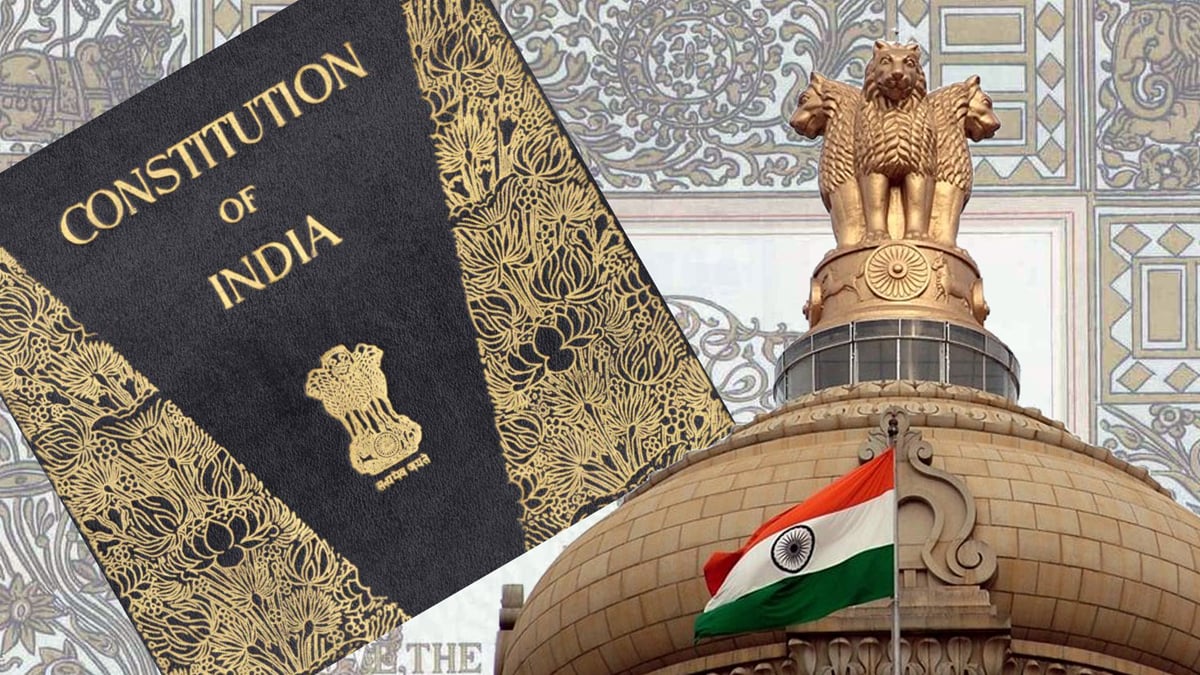
- Any democratic country is always founded on a strong Constitution, leaving no ambiguities whatsoever for the identified institutions to ensure the mandate is strictly adhered to in letter and spirit. Take, for instance, the Indian Constitution, which unambiguously demarcates the roles of the three critical arms, namely the executive, the legislature, and the judiciary. To their credit, these three institutions have ensured the nation progresses on an upward trajectory, ensuring every policy introduced is not only in line with the Constitutionally mandated rights governing the citizens, but also does not impinge on the growth prospects of the nation. Of course, the major credit goes to our founding constituent assembly forefathers for establishing the Constitution.

PC: IIMT
- However, several instances of one arm of the Constitution impinging on the other are not uncommon. How often have we not heard of the term judicial activism getting mentioned in India? Thus, it can be safely said that whether in India or the US, judicial intervention in policy is best restricted to constitutional questions alone. As you know, the tug-of-war between Trump and federal courts has made news through the first five months of his presidency. His executive orders on everything from birthright citizenship to government downsizing keep stalling in these 600-odd courts. An aggrieved party can always find a friendly judge somewhere in the country – Americans call it judge shopping – to block a presidential order. Not for itself, but the entire nation.
PC: Public Discourse
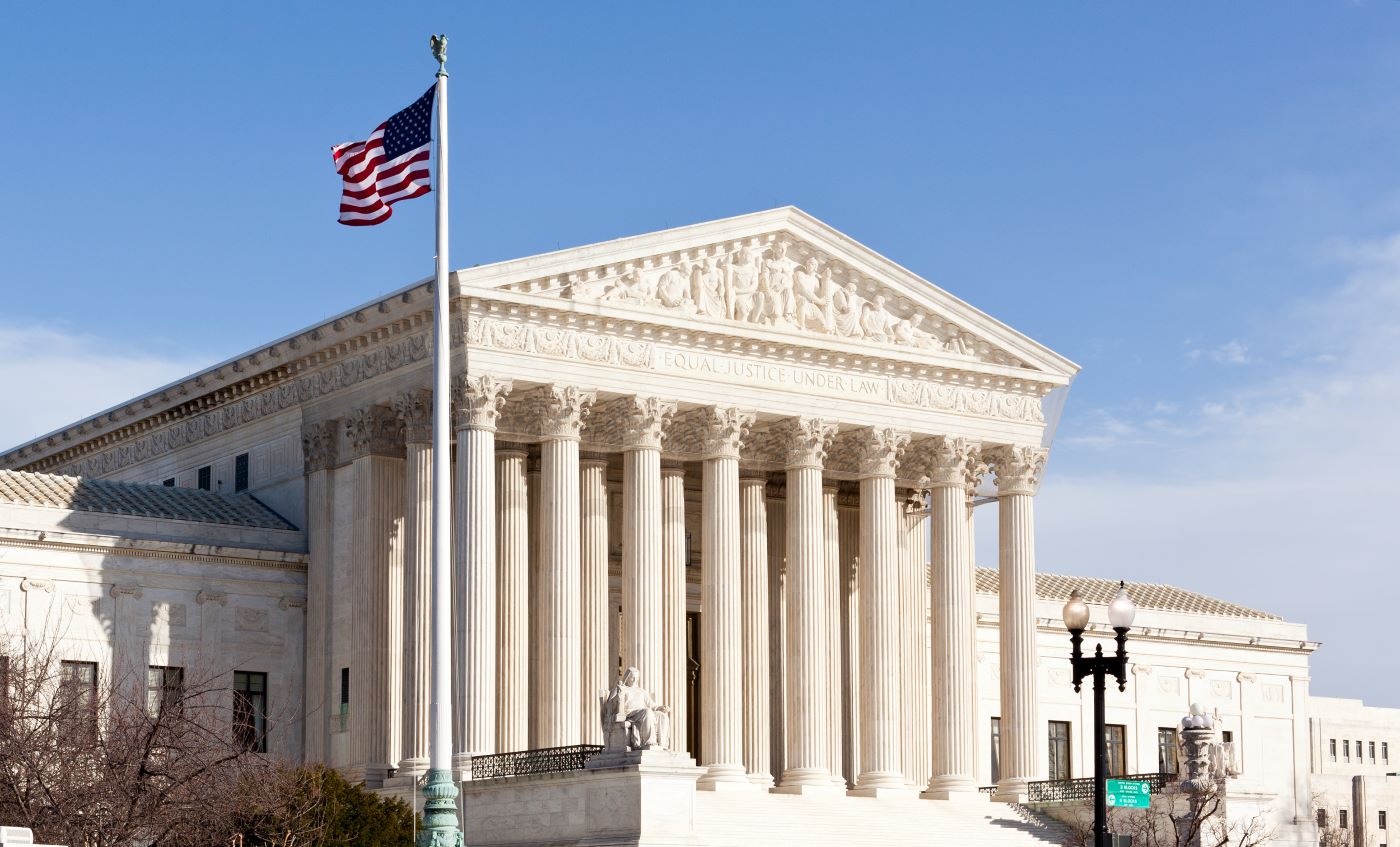
- Thankfully, America’s SC has now put an end to this practice of trial courts issuing universal injunctions. While hearing a challenge to Trump’s order on birthright citizenship, the court said federal courts cannot exercise general oversight of the executive branch. Objectively speaking, such injunctions have stymied not only Trump but also his Democratic predecessors as well. What needs guarding here is not the president or the judges but the Constitution. If the president’s executive orders violate the Constitution, courts should take a stand, but they should not try to shape policy. Sounds familiar in the context of the Indian higher judiciary, too. The judicial delivery system in India is a humongous work in progress, to put it mildly. We know that.
PC: Live Law
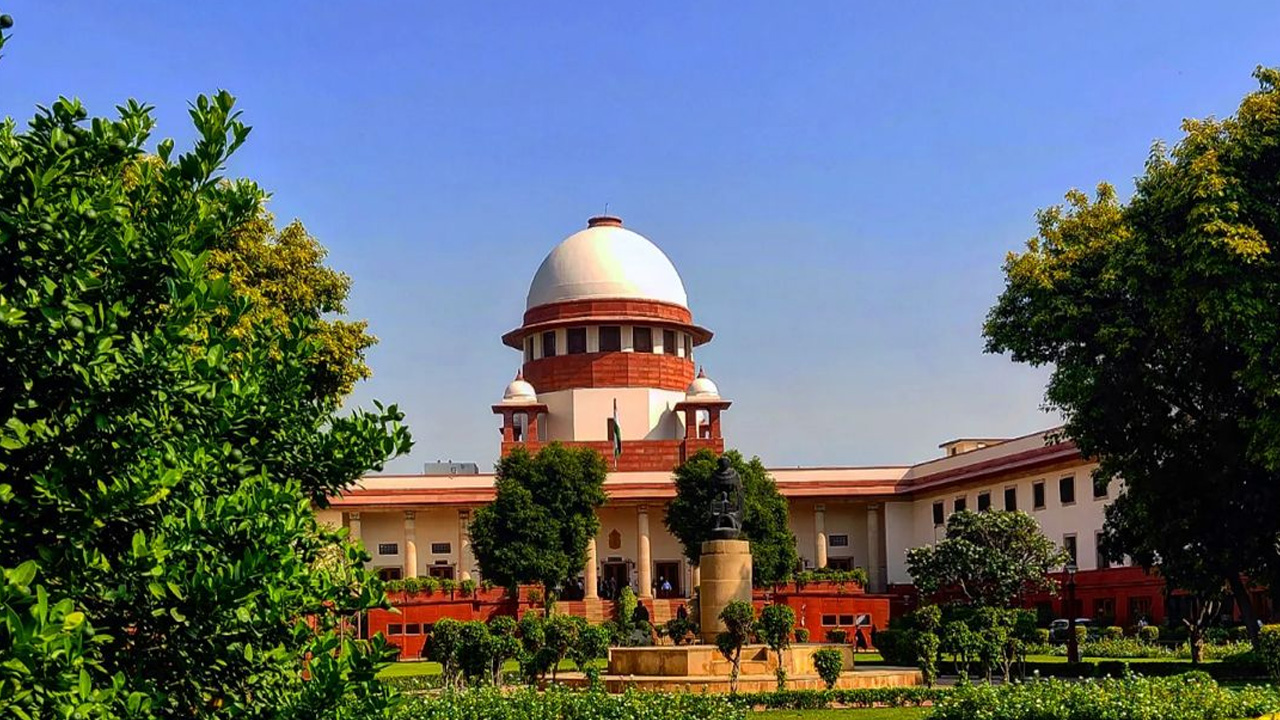
- Most welcomingly, the incumbent Chief Justice of India recently said that judicial activism should not turn into judicial adventurism and judicial terrorism. The wisdom-filled retort from the CJI is most reassuring. In India, as in the US, it is not the judiciary’s job to demand or make laws. For instance, India’s SC was clearly out of line when it made the national anthem mandatory in the cinemas in 2016. Though it corrected its decision subsequently. But judicial overreach in executive matters has become common. SC’s rejection of the resolution plan for Bhushan Steel and Power is a recent example. Earlier, the SC had waded into the issue of farm laws. Thus, judicial activism should be curtailed forthwith and allow other arms of the Constitution to function effectively.