


- The world over, most deaths are reported from accidents happening on roads rather than air. Every transportation expert and official associated with the vertical would vouch in unison that air travel is the safest mode for travelers. The safety aspects of air travel have increased manifold even as the aviation industry per se has undergone tremendous changes over the years, in commensurate with the fast-changing technological developments, advancements, innovations, and inventions of the modern-day world. Once considered the costliest mode of travel has become more affordable of late, owing to the living standards heading northwards everywhere. Of course, India is no exception, with the affordability factor reaching newer heights.

PC: The New York Times
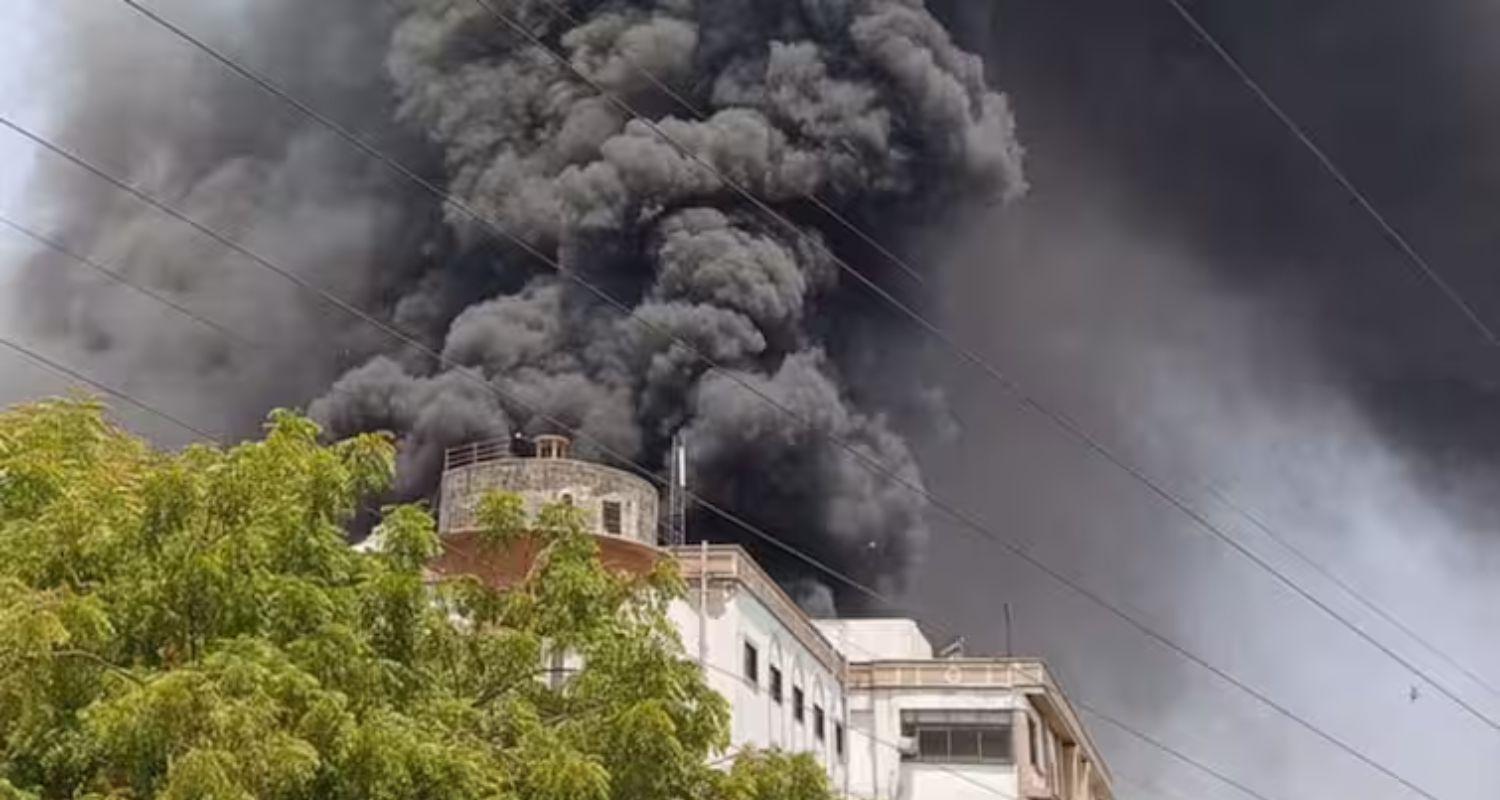
- The air travel is being lapped up by everyone, which is an extremely gratifying sign for the government authorities who are willing to further spruce up the aviation industry by allowing the enterprising investors to pump in desired monies. However, there is always this gnawing feeling among air travelers about the safety aspects of the mode for reasons like the accident that occurred recently at Ahmedabad when AI-171 Dreamliner Boeing 787 crashed, killing 273, including passengers, crew, and civilians. The world’s third-largest aviation market needs to address several structural issues immediately. The terrible aviation tragedy in Ahmedabad is a grimly appropriate occasion for reviewing the current status of Indian civil aviation.
PC: News Arena
- India has emerged as the third-largest aviation market in the world in terms of passenger traffic. It’s also the sixth-largest market for air cargo. And with infra growth over the last few years and the regional connectivity scheme UDAN, the sector is primed for further expansion. However, several structural problems are flashing red. First, the aviation sector has practically transformed into a duopoly with IndiGo and the Tata Group’s airlines accounting for nearly 90% of the market. This is incongruent with rapidly growing passenger traffic. True, running airlines is tough business, especially in a high-cost environment such as ours. But a larger pool of airlines will help solve issues downstream, including pricing.
PC: ABC News
- Second, it is observed that financially stressed airlines are cutting corners on safety and engineering. Just last year, the Bureau of Civil Aviation Security fined IndiGo for violation of aviation security protocols; DGCA fined Akasa Air for multiple regulatory violations; and Air India was penalized for violating safety rules on certain long-range routes. Third, by March this year, 133 aircraft across airlines – 16% of the industry’s overall fleet – were grounded due to supply chain issues, particularly with Pratt & Whitney engines. Switching over to reliable engines must be expedited. Fourth, there’s an acute shortage of pilots and ATCOs. India needs 10,900 pilots by 2030 and a shortfall of 5,428 ATCOs by 2024. This needs to be spruced up expeditiously.