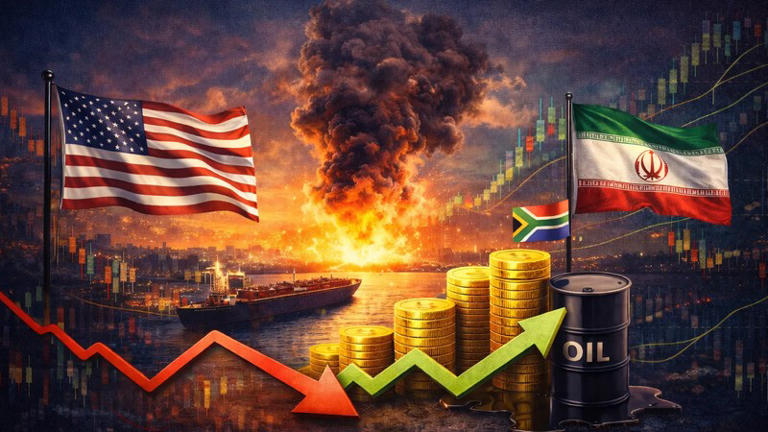
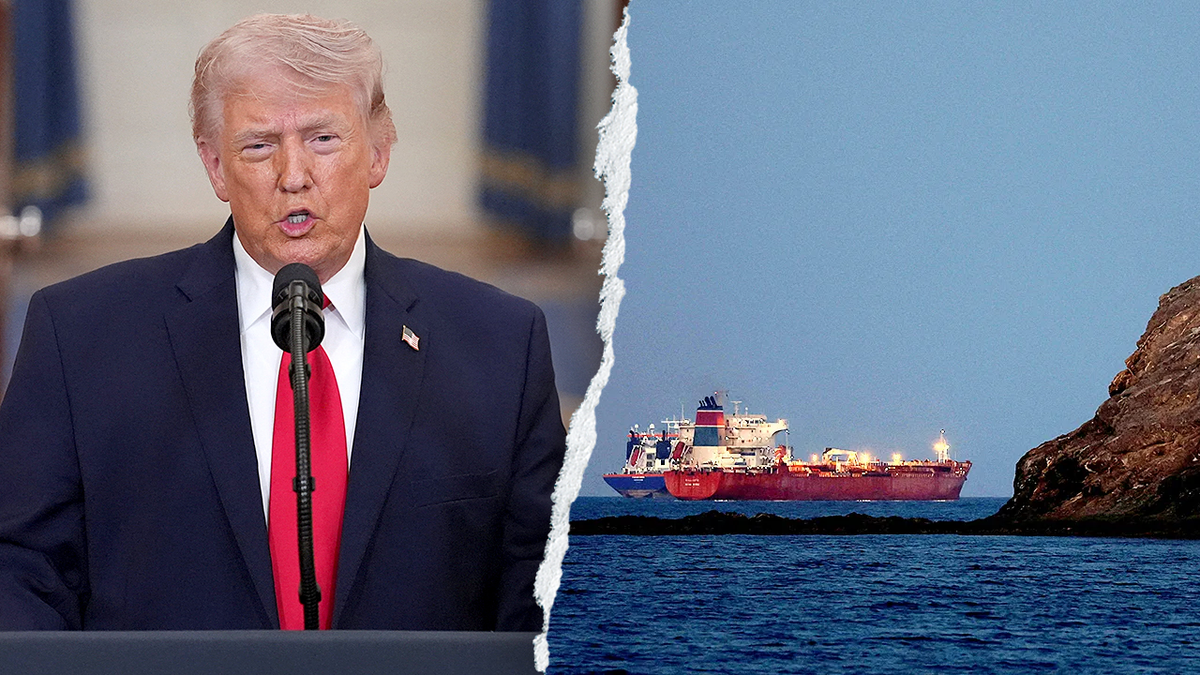
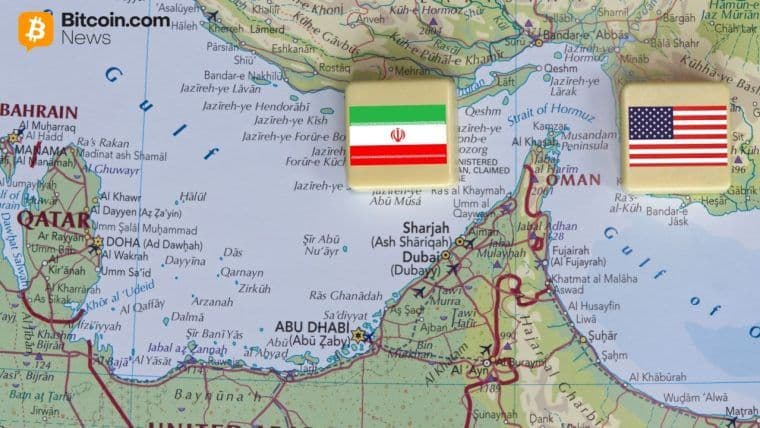
- Ever since the US-Israel-Iran war was thrust on the global community, every country is on tenterhooks vis-à-vis the uncertainty surrounding how the crucial energy supplies would ensue has been stated/debated passionately over the last few weeks. As is his wont, the US President Donald Trump grandiosely proclaimed that Iran would be obliterated from the world map; what followed in the subsequent days is quite contrary to those bombastic announcements. Iran not only showed remarkable resilience to the barrage of military pounding from the US-Israel duo but also held its nerve to take on the might of the attackers by not conceding ground meekly. Control of the Hormuz Strait ensured Iran could dictate the conflict on its own terms.
PC: Fox News
- Of course, efforts by the global community for peace talks and the seamless passage of crucial energy supplies through the Hormuz Strait have had limited success insofar as a breather from the conflict is concerned. In line with the unfolding events surrounding the conflict, markets worldwide have responded as expected. The moot point to ponder over is what markets know that we don’t. Ever since Trump announced a two-week ceasefire on April 8, they’ve been inching up. Sensex has reclaimed half of the ground it lost during the 40 days of fighting. US indices, meanwhile, have touched record highs. What explains their euphoria? Is the war well and truly over, despite occasional tough talk by Trump and Iran? It’s hard to say, but signs are promising.
PC: Bitcoin News
- As mentioned above, Iran has held its fire, even after the US blockade of the Hormuz Strait. Note that it has no dearth of easy targets, what with hundreds of ships and tankers, and thousands of sailors, stranded in the Persian Gulf. That suggests it is willing to bear some provocation this time. Instead of claiming tolling rights, it is now talking about letting ships pass unmolested if they stick to the Strait’s Omani side. The US has also shown restraint in the blockade – it hasn’t boarded or seized any vessel so far. Another round of Iran-US talks looks likely. Trump has clearly used his influence to get Israel and Lebanon to talk at the highest level, which will, hopefully, remove a major hurdle for a deal with Iran. Those are the visible signs.

PC: AOL.com
- Moreover, markets are also pricing in invisible factors. For instance, what happens if the blockade continues without a deal? Report suggest Iran has enough onshore storage to continue pumping crude for another two months, without shipping a single barrel. But Trump can’t wait that long, because US pump prices would become unbearable. In fact, crude, after slipping below $100, is sticking to the $95-96 level. And the IMF sees it averaging around $82 this year, in the best-case scenario, which would be 30% over its Jan estimate. That will hurt global growth, and should, ordinarily, depress markets, but a peace deal would ensure things don’t get any worse. Hence the cheer. Markets work on sentiment, greed, and, of course, clarity. We are witnessing it.