

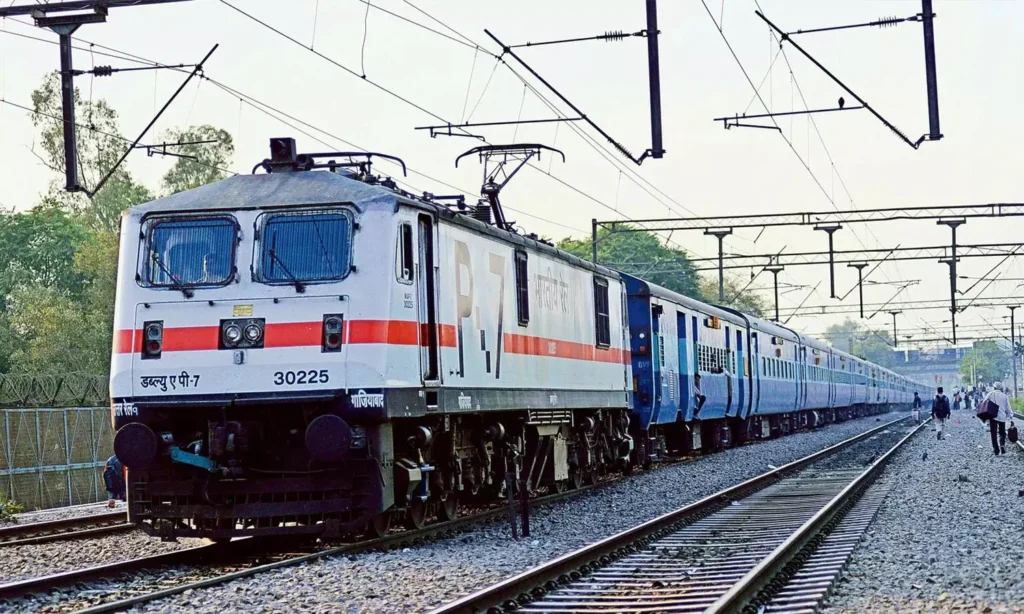
- Without beating around the bush, let’s make it abundantly clear that the subject tagline must be the mantra for any service-oriented industry/sector where even a small lack in quality in delivery should be treated as unsatisfactory. Remember, patrons seeking services by paying fees are not only expected to be served to the utmost quality standards prescribed, but also to avoid/preempt any potential challenges that might mar the delivery itself. The paying public will not be satisfied with or accept services that are not up to the mark. As such, the authorities/management concerned must be doubly aware of the adverse consequences of failing to deliver services as expected. Having said this, let’s look around at how some of the Indian services are functioning.
PC: News18
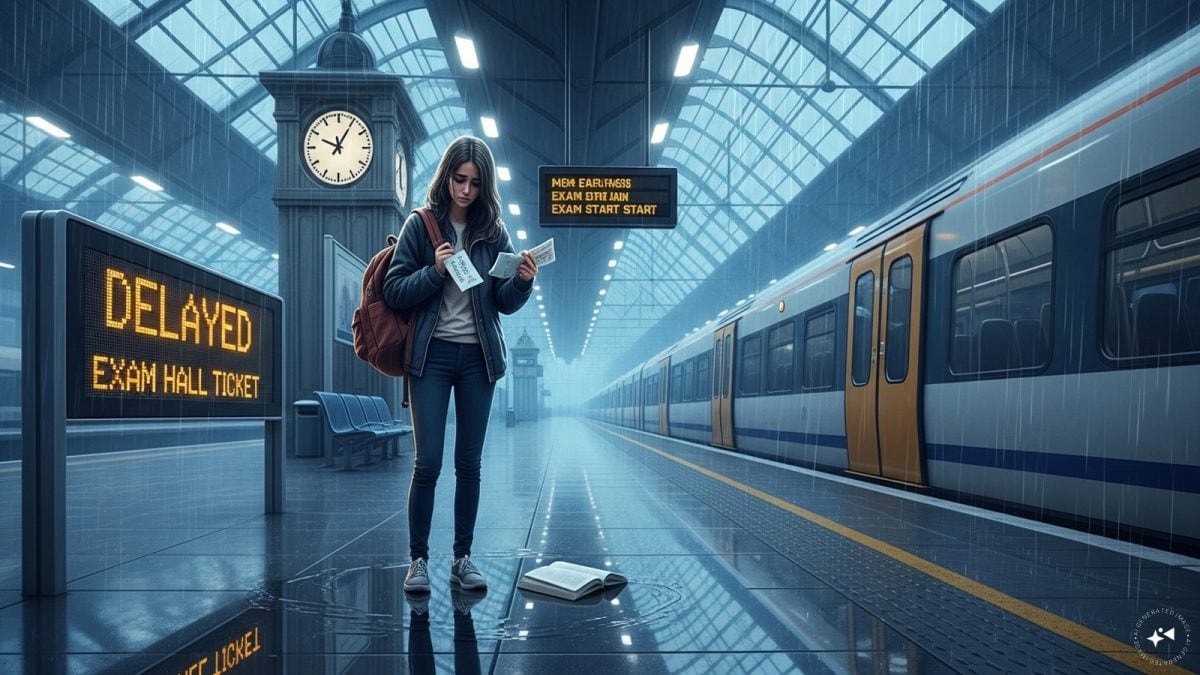
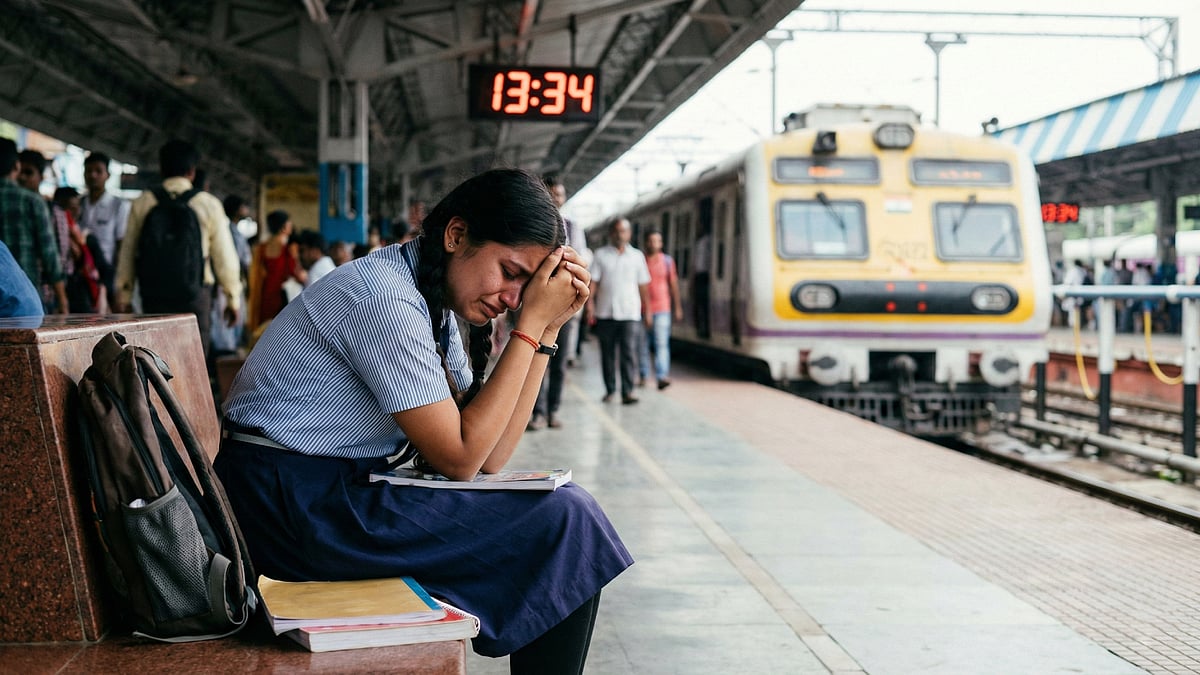
- As Indians, most often, we are quite used to accepting what is on offer vis-à-vis service delivery. Take, for instance, one of the most ubiquitous service platforms run by the public sector in the country, the railways. The Indian Railways is the nerve centre of transportation for the public and the goods will be tantamount to an understatement. In an interesting development recently, the railways were made liable for not keeping time. This will be a lesson for the government and the civic authorities as well. As reported, the Basti district consumer court in UP has asked the Railways to pay Rs. 9.1L to a 17-year-old who missed an entrance exam because her train was delayed. The significance of this order cannot be overstated, especially for commoners/commuters.
PC: Ei Samay
- Mind you, the relief has come after seven years; one can argue about the amount of compensation, but it is more than welcome. That the litigant’s father is a lawyer aided her fight, for how many have the information, wherewithal, or perseverance to trudge through court cases? We know the whole court process is dreadful, to say the least. But, because the petitioner did not give up, the win is beyond the sum of compensation. The consumer court’s decision is far-reaching; whatever its outcome, the Railways may appeal for a larger reason. The nature of the complaint, accountability of govt services, has wide resonance. Making authorities pay for tardy services, even more. Two points need better understanding.
PC: IAS EXPRESS
- First, the SC in 2021 expanded the scope of joint action in the Consumer Protection Act 2019, allowing for complaints in representative capacity. Till then, joint action was allowed only so far that a group could complain together for relief for their complaints alone. The expansion, in representative capacity for a group of complainants, is the closest to class-action suits India has. Govts are oblivious to ordinary Indians. Second follows the first. Making public authorities liable can be a deterrent against negligent conduct, even inefficiency. Litigious consumers of public services could jolt civic authorities to remember what their job is. Banks, hospitals, civic amenities, and transportation are services that should have deterrence in place for any laxity. Simple.