


- As you would appreciate, one of the most critical aspects of any modern-day democracy is not only to encourage transparency realistically but also to showcase right intention in disseminating information for the larger good of society. Mind you, for the democratic form of government to sustain that much-revered vibrancy, acceptance, and spirit of togetherness, transparency plays an extremely important role. The more transparent the governing authorities remain, the more acceptance they enjoy among the people who are the real stakeholders. The same premise sustains the Indian form of governance as well, where for the people, by the people, and of the people forms the crux of our Parliamentary system.
/theprobe/media/post_attachments/wp-content/uploads/2022/01/Right-to-Information-126.jpg)
PC: The Probe
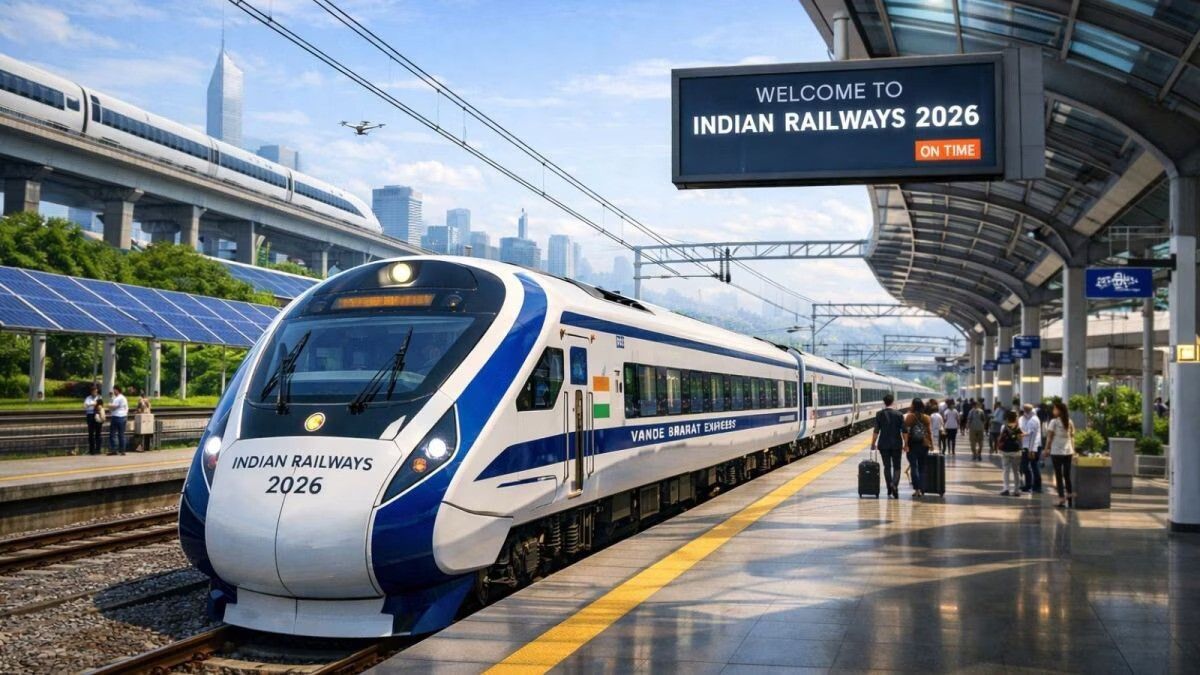
- Thus, to enable transparency in governance, the Indian Parliament passed a momentous Bill named the Right to Information Act (RTI) with much fanfare in 2005. The moot point to ponder over here is whether the RTI has really gone about serving the purpose as envisaged. The answer is a resounding no. India needs more transparency. For that, CIC and other information commissions must cooperate. As reported recently, the RTI applicant wanted to know how the Railways fixes passenger fares for different categories, under different conditions, such as Tatkal. After a two-year wait, the application has been dismissed by the CIC on the grounds that it seeks trade secret/intellectual property. Really? What’s so secret about the fares, though? Point taken.
PC: x.com
- Agreed, trade secrets should be kept secret, like Coke’s formula scribbled on a scrap of paper and stored in a bank vault. You don’t want rivals to get hold of them and launch copycat versions. Absolutely. But who are the Railways’ competitors? Whether you board a train in Jammu, Chennai, Guwahati, or Kutch, you are riding the same state-owned monopoly. Unless you’re thinking about Tejas Express, run by IRCTC, which is also under the railway ministry, hence owned by the people of India. So, what business risk does Railways run by disclosing how it calculates the fare for, say, the lower aisle-side berth in a 2AC coach of Paschim Express?
PC: 99Notes
- Of course, we are not surprised that Railways refused to share information. It’s a govt body raised on the Official Secrets Act. But for CIC to buy its logic is odd. In another recent case, CIC agreed with the customs department that no public interest would be served by sharing details of businesses exporting limestone from Meghalaya to Bangladesh. But such information should be in the public domain anyway. Researchers, environmentalists, and anyone might need it. CIC was to be the guardian to increase transparency in governance. However, CIC blocking legitimate requests simply defeats the purpose of enacting the Act itself. Notably, CIC has a full strength of 10 commissioners now. The commission should honour transparency requests pragmatically.



, designed to promote transparency in governance, is being undermined by the Central Information Commission (CIC) itself through unjustified rejections of legitimate public information requests. Using examples like railway fare calculation methods and limestone export details being classified as "trade secrets" or dismissed on dubious grounds, it highlights the paradox of the transparency watchdog blocking access to information that should rightfully be in the public domain. The piece argues that for Indian democracy to truly function with transparency and accountability, the CIC must honor its mandate and approve pragmatic information requests rather than protecting bureaucratic secrecy under the guise of protecting non-existent competitive interests.)