

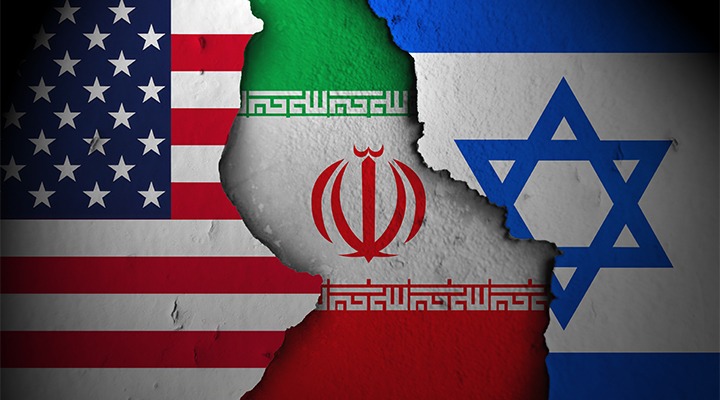
- Even as the US/Israel and Iran war enters its third week, there are no signs of thaw between the warring countries. The killings of Ayatollah Ali Khamenei and other top leadership of Iran have only helped the country to further fortify its religion-based fundamentalist entities to regroup to find a new leader to head them. As reported, the search for the next supreme leader has culminated in the choosing of the deceased’s second son to head the Iranian regime. This development rises question as to what was achieved with the killing of Khamenei, even as the sonassumes the mantle, continuing the policies of the previous regime. What was assumed about Iran showing signs of submissiveness after the pounding by the US/Israel hasn’t happened yet.

PC: The Indian Express
- Going by the look of things, it’s not happening anytime soon either. Iran has continued to target several neighbouring countries, leading to severe distress in the supply of gas/oil around the world. The economic consequences of rising oil prices need not be elaborated here, but sliding consumer sentiment about the same can pose a definite risk all around. Let’s look at how Indian markets responded to the crisis. On February 27, a day before the Iran war started, Sensex closed at 81,287. After 12 days, it fell to 77,566, a drop of about 4.5%. It’s not the worst drop of this war. Kospi’s down almost 16% at the same time, including a 6% drop. Nikkei has also fallen 10.5% overall – 5.2% at last count. All markets are on edge because the Strait of Hormuz is closed.
PC: NewsBytes
- Mind you, goods for sale can’t go in, and oil and gas can’t come out. But specifics vary. In Korea, for example, the unavailability of Qatari helium, which is needed for making memory chips, has spooked investors. Indian markets have weathered the storm well, relatively. But that could change if the war drags on for a few more weeks. First up, rising energy costs will affect everything from transport to manufacturing. Then, if the RBI hikes rates to contain inflation, investment and consumer demand will slow down. So, foreign investors will be keenly watching India amid this uncertainty. Should they panic, markets might fall sharply, leaving ordinary domestic investors, those who have seen indices rise SIP by SIP, feeling poorer. And that would be bad for growth.
PC: The Week
- Further, while India’s economy has many pillars, private consumption expenditure – covering everything from pens to shirts, cars, school fees, and travel – is the stoutest. This year, it’s expected to make up 61.5% of GDP – its highest share in 15 years. Three things made this surge possible – income tax rebates, GST cuts, and slowing inflation. This together left consumers feeling richer. I-T rebate put more money in our hands, GST cuts made things cheaper, and low inflation – 2.7% in Jan removed an invisible tax. But if inflation shoots up in a few weeks due to sustained high energy prices, that invisible tax will start biting again. And if markets tank at the same time, the psychological effect of seeing their portfolios shrink will make consumers tight-fisted. Thankfully, India’s fundamentals are strong, and the Iran war will end. We must keep our faith up, though.