


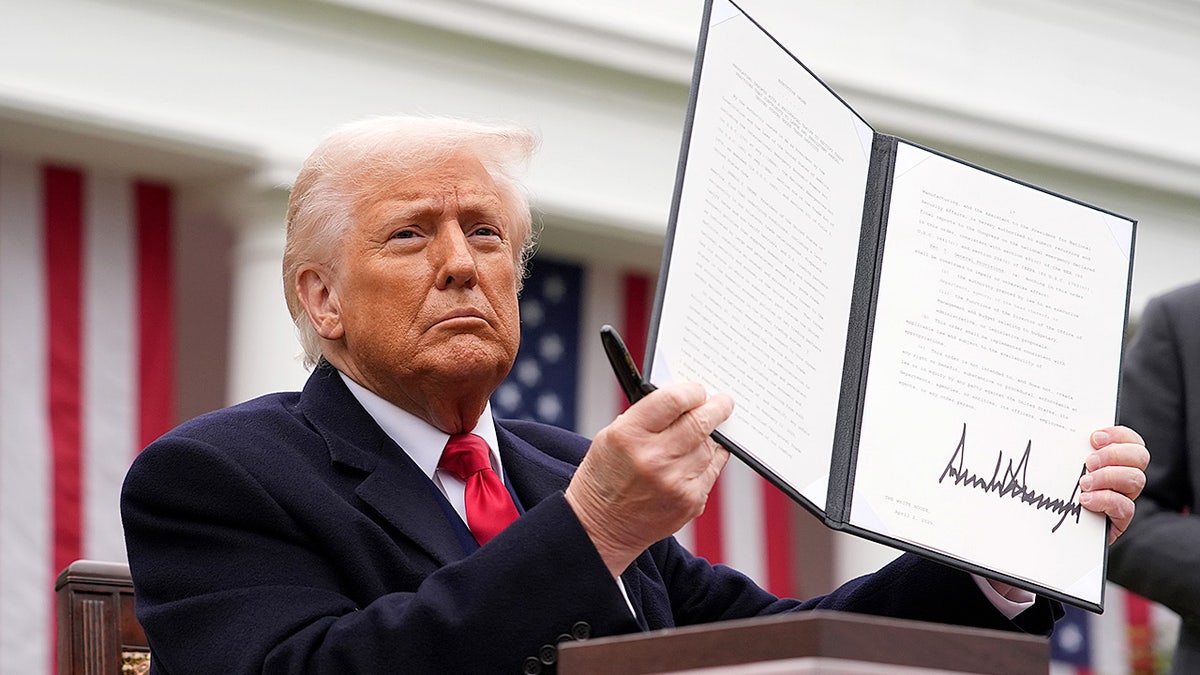
- The Indian leadership and the think tank must have been on tenterhooks ever since the president of the United States of America, Donald Trump, went berserk with his illogical and ill-advised imposition of tariffs on countries that he believed to have been fleecing the nation. Thus, the tariff war unleashed by the maverick, intemperate, impetuous, and unpredictable leader has not only singed the whole universe in one or the other form but also has paved the way for several countries to forge ahead with free trade agreements to protect their interests. As we know, Indian products were also thrust with 50% tariff by Trump ostensibly for buying Russian oil, which Trump believed funded the ongoing conflict between Russia and Ukraine. Far from the truth, we know.
PC: Fox News
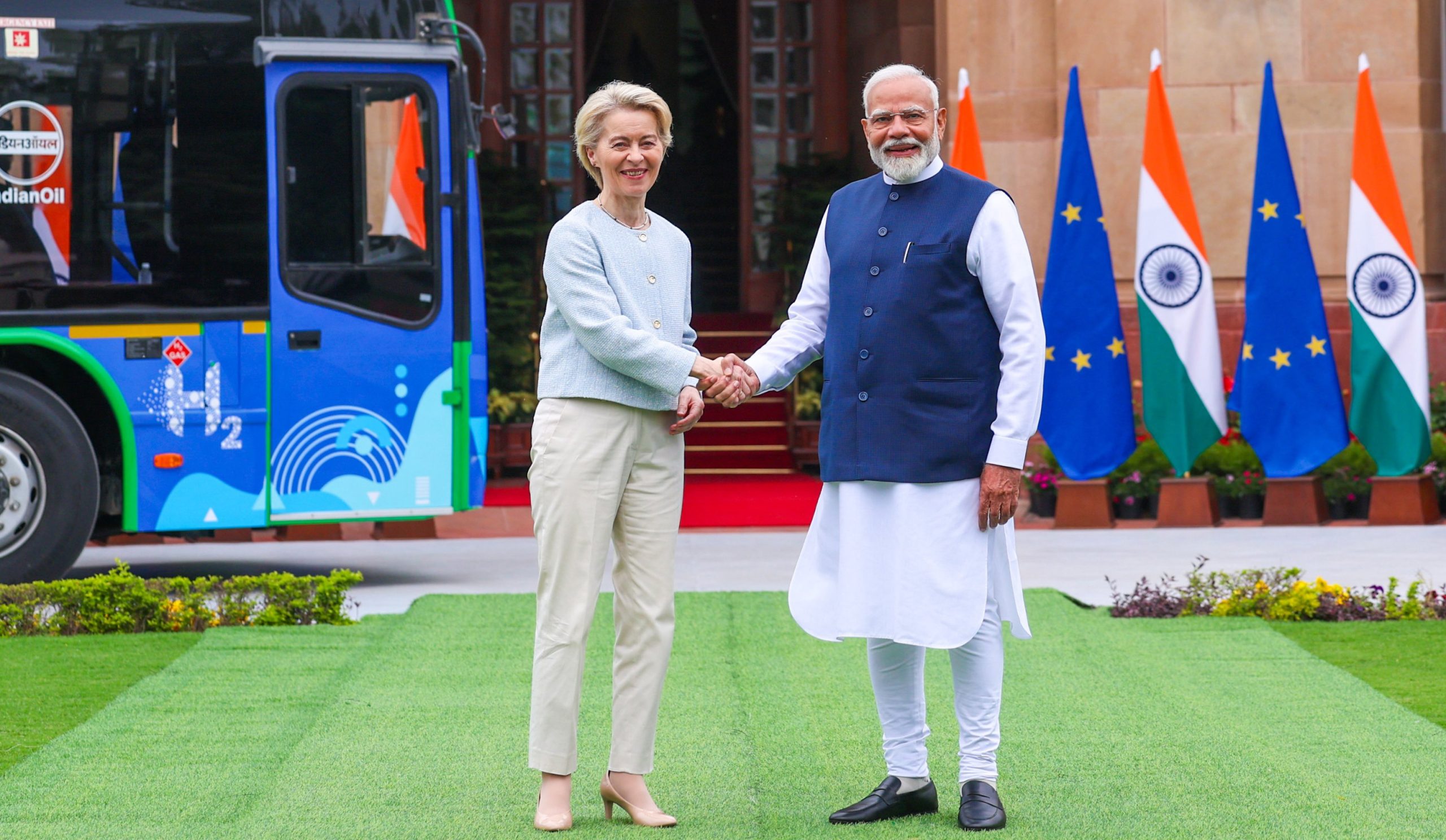
- Of course, Indian leadership not only stood its ground vis-à-vis American pressure on the tariff front but also firmly refused to concede ground with the trade deal harming the interests of domestic players, including farmers. After months of negotiation, the Indo-EU FTA – dubbed as the Mother of All Deals – is announced. Coming close on the heels is the much-awaited Indo-US trade deal, announced by both sides with much fanfare. The deal with Trump signals a fundamental shift in India’s trade philosophy from “won’t buy” to “will sell”. Indeed, America matters, for it’s where the most money is. This year, Americans will buy clothes worth $370bn – more than the value of all cars sold in India. That’s big money.
PC: OpIndia
- As reported, as of 2023, India’s share of this enormous apparel market was only 5.8%, up from 4% in 2013, even though China’s share plummeted from 38% to 21% in that period. Who walked away with the market then? Vietnam, although the US International Trade Commission considers quality and detailed finishing as India’s strengths. What held us back then? Costs, mainly. Not because our labour is costly, but when we tariff, say, imported cotton, to shield our farmers, the T-shirts we export aren’t as cheap as they could be. That’s why India’s string of free-trade deals over the past two years – UAE, Australia, EFTA, UK, NZ, and now EU and US – could be transformative. For the first time since 1947, India is building trade policy on confidence, not fear.

PC: The Economist
- Further, all these FTAs, especially the biggest ones with the EU and Trump, show a fundamental shift in thinking, from “we won’t buy” to “we will sell”, whatever it takes. With Trump, that has meant stopping the purchase of cheap Russian oil. And from purely cold market logic, it’s the right thing to do. How can saving $2 on a $60 barrel be worth getting locked out of a $30tn market that gobbles not only shirts but also coffee, auto parts, shoes, furniture, and so much more, including phones? India should integrate rapidly with global manufacturing. If India wants to lift its millions to a higher living standard, it will have to draw them away from farming for themselves to manufacturing for the world. It can’t be if it perpetuates the status quo with farm tariffs.