

- The vexed issue of Tibetan Buddhism and the Buddhists has intrigued the global community for decades. The Buddhist government in exile in India has not only served the interests of the largely peaceful and spiritually inclined society, to a great extent, but also accepted the revered Dalai Lama as the de facto spiritual head for the community worldwide. The Indian support for the Dalai Lama and accommodation for the exiled spiritual leader to practice with freedom have not been viewed kindly by the Chinese leadership. Of course, the Chinese policy of inflicting thousands of cuts on the Indian Eastern borders to make our leadership remain on their toes is too well known. The skirmishes and the continued military presence on both sides of the border testify to this.
PC: The Hindu
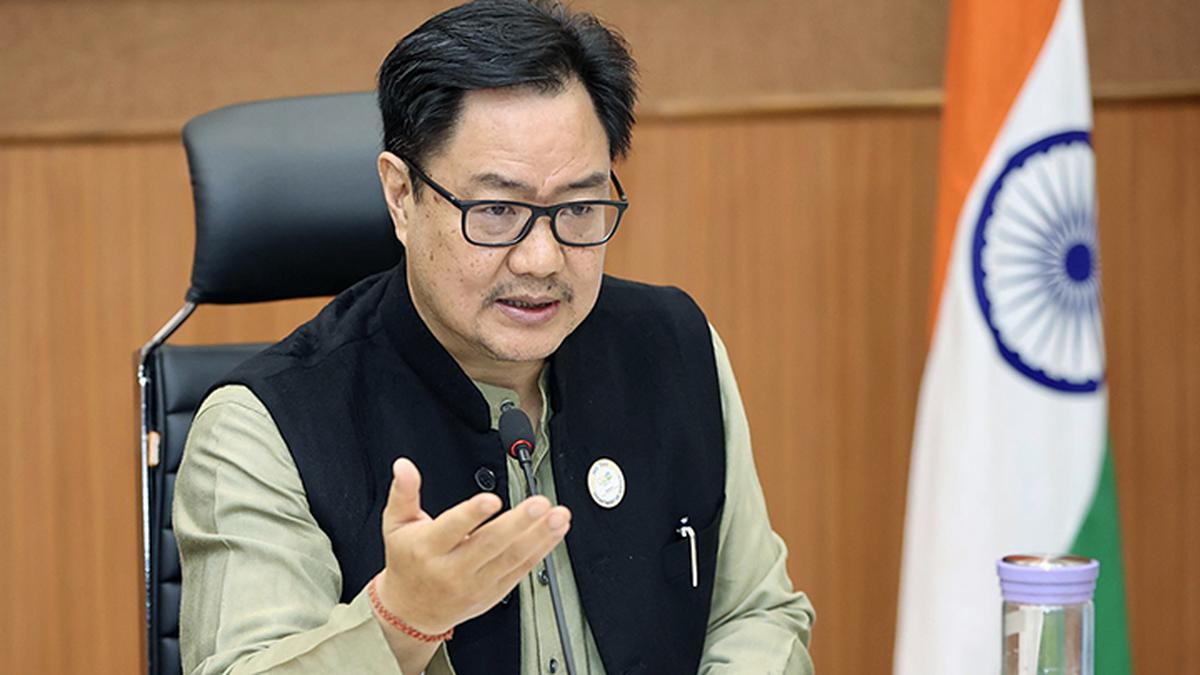
- However, what is hogging the headlines of late is finding the successor to the Dalai Lama where China believes it holds the right to exercise its choice on the Tibetan people. Here, it must be mentioned that Tibetans in India deserve better state support than what is being openly offered. Thankfully, by backing the Dalai Lama’s position on succession, the Union Minister Kiren Rijiju has rightly countered China’s position that only Beijing can approve the choice of the next Tibetan spiritual leader. This is the right position, and the Indian think tank should leave no doubts whatsoever in propagating the same loud and clear. Not that the Dalai Lama and thousands of Tibetans chose India as their refuge when China captured Tibet in the 1950s.

PC: Hindustan Times
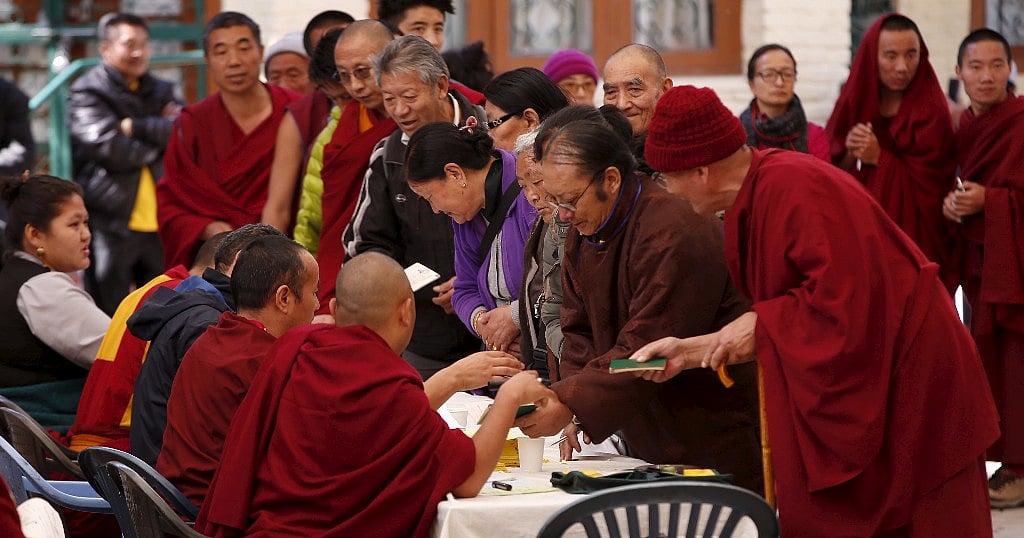
- Since then, Tibetans in India have lived as a model community. Spread across 39 formal settlements and dozens of informal colonies throughout India, Tibetans have added richness to our social milieu with their cuisine, medicine, culture, and spirituality. A lot of this is because of the Dalai Lama himself. He has repeatedly expressed his gratitude to India for providing shelter to Tibetans. Contrast this with China, where Tibetan culture is slowly being changed with Sinicism, and Tibetan Buddhism is practiced under the strict supervision of the Chinese Communist Party minders. It is in India that Tibetans have been able to freely practice their religion. India has a great track record in sheltering refugees. And we must further strengthen this.
 PC: The Quint
Look not far from how India took millions of refugees during Bangladesh’s 1971 Liberation War, and successive Indian governments have done a lot for Tibetan refugees. But several everyday issues remain, though. Tibetans face restrictions in terms of travel, can’t buy property in India, most can’t access bank credit, and have very limited access to higher education and healthcare. Is it worthwhile exploring the possibilities of ameliorating their stateless status through practical provisions on the ground? Absolutely. Mind you, seventy years of their peaceful existence in India shows migrants can not only integrate into the mainstream seamlessly but also add value to our society as well. Needless to mention, Tibetans deserve our continued support.