

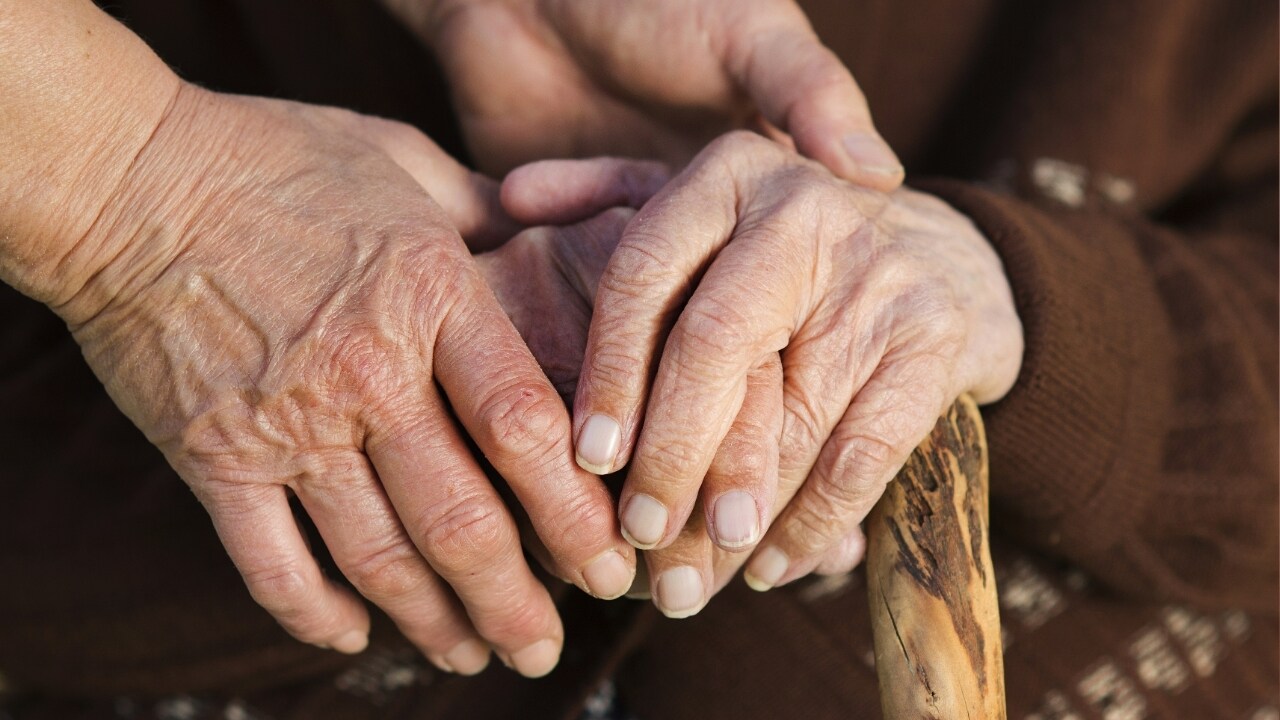
- Indian citizens are extremely proud of our rich heritage, culture, tradition, and age-old customs. Our reverence for the elderly is part of the customs that have been assiduously observed since time immemorial. Despite being a country of diverse faiths, beliefs, languages, and ethnicities from region to region, our core fundamentals/ideals continue to remain steadfast, even as modernity has made its presence felt. We are known as a country that upholds the tenet of unity in diversity, overcoming several differences but staying glued to the core principles that have defined us for millennia. Of course, we must keep altering our hitherto held strong beliefs in commensurate with the fast-changing times, as ultramodernity engulfs us.
PC: Law Trend
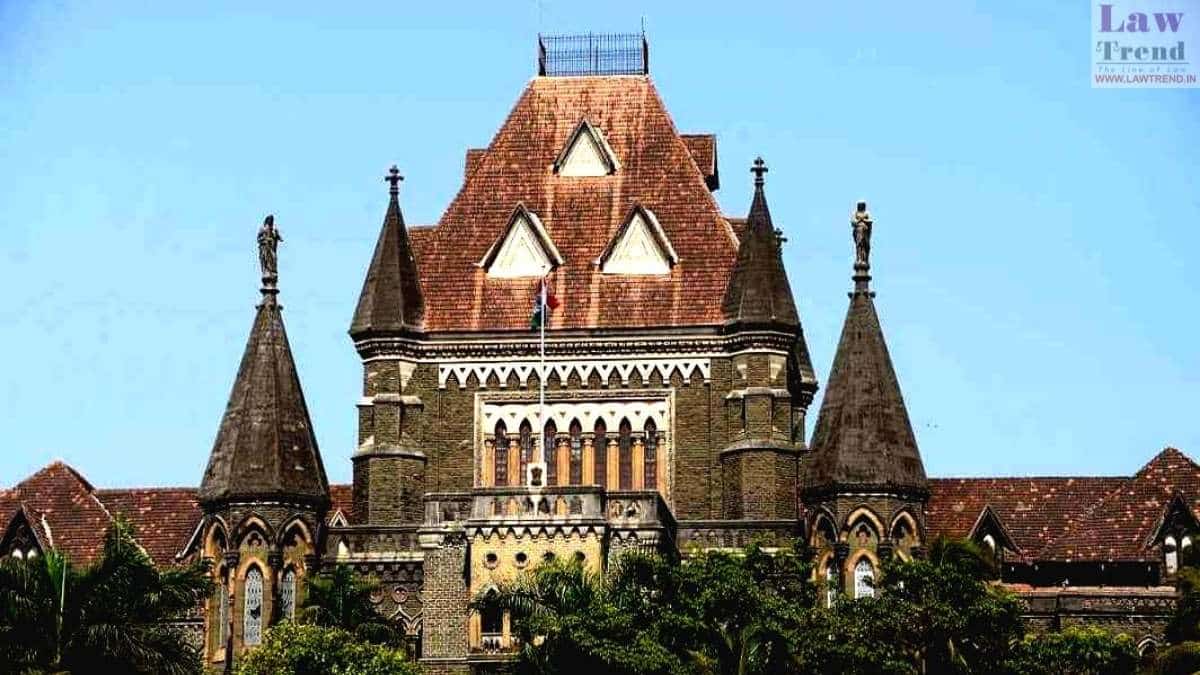
- As mentioned above, our reverence for elders is undisputed, even though the anachronistic misogyny, patriarchy, and gender disparity continue to rule the roost, with authorities concerned making earnest efforts at ushering in parity all around. Mind you, India’s growing number of elderly need a supply of rules-bound professional caregivers. And unfortunately, that’s not happening. As reported recently, the import of a Bombay HC Verdict, in a case on proper care arrangement for an elderly person, will resonate in homes across the country. HC made the two daughters of a 75-year-old man legal guardians as he is incapable of making informed decisions concerning himself or his treatment, given multiple chronic medical and psychiatric conditions. He was uncooperative when it came to psychological testing. Ageing is difficult.
PC: The Hindu
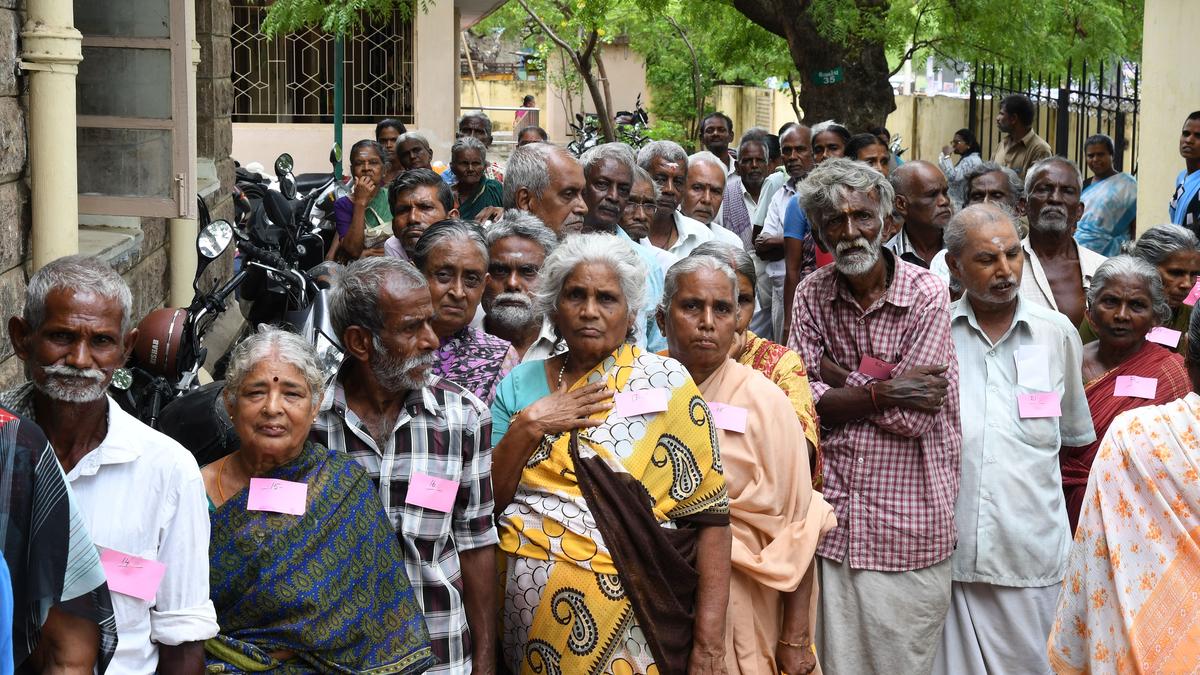
- In several chronic conditions, especially neurological and punishing disorders like schizophrenia, and as a side-effect of certain essential medicines, patients suffer perceived persecution by family. Caregiving in such situations can be challenging, affecting a family’s mental well-being, too. As per a UNFPA study, the population of people aged 80+ years will grow at a rate of around 279% between 2022 and 2050. Incidence of Alzheimer’s, Parkinson’s, etc., is rapidly increasing. Millions of elderly people may suffer from dementia well before 2050. Are we prepared? No, but not for want of programmes for the elderly on paper – almost 30 central schemes across ministries. Implementation is poor, as is awareness among the elderly.
PC: India Today
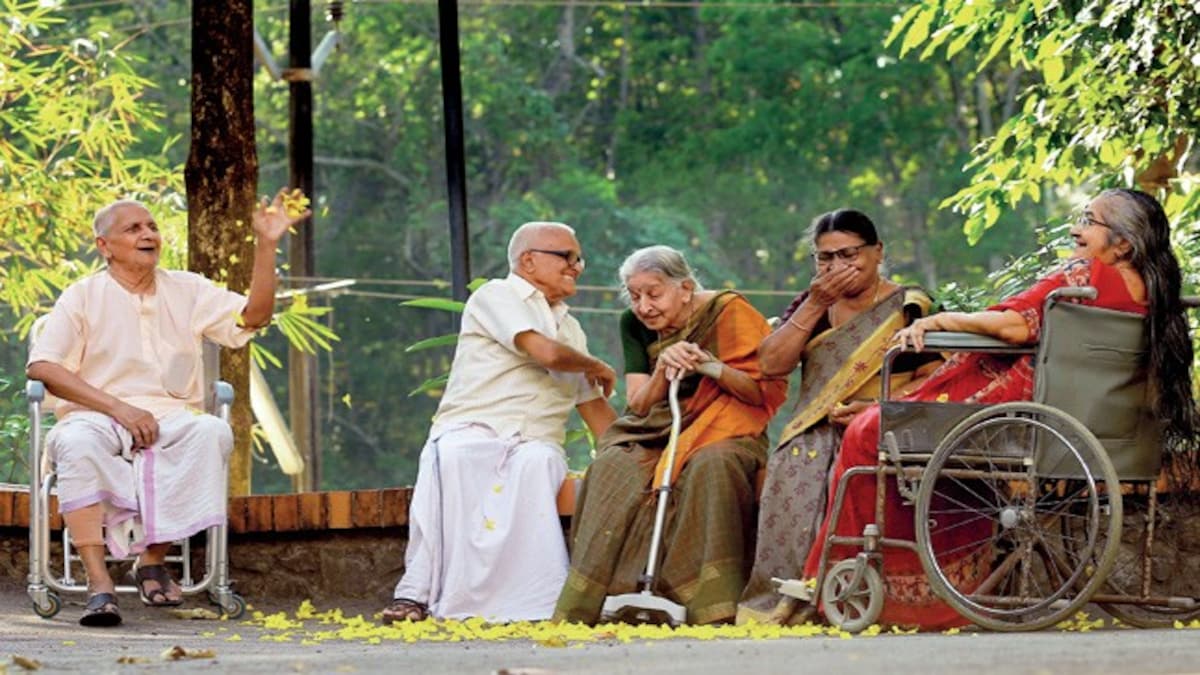
- And trained support staff, as well as legal and commercial rules for this work, are almost totally missing. Elder care treatment can be prohibitively costly, and demand for trained care as per patients’ and households’ needs far outstrips supply. The risk of geriatric psychiatric disorders rapidly increases with age. Coupled with trends in longevity, this means more senior citizens will suffer longer years of declining quality of life. It is a terrifying reality. Almost a quarter of the elderly population, 23%, according to UNFPA, suffer two or more chronic conditions. A Niti Aayog paper noted that 78% of the elderly live without any pension, one in three senior citizens reported depressive symptoms, 32% had low life satisfaction, and 19% had no income. There’s no dearth of data/reports on what needs to be done. The problem is in doing it.