

- Since time immemorial, humankind has often exceeded the limits of endurance, achievements, endeavours, and enterprising urgings to conquer some of the toughest assignments encountered during that period. The result is the revolutionary developments witnessed at regular intervals that have immensely benefited humanity. We have grabbed them with absolute glee. Those epochal and pathbreaking inventions have paved the way not only for sustaining humankind amid the various challenges it faces but also for relentless improvement to further the cause. Innumerable instances of timely breakthroughs facilitating the advancement of humanity meant our quest for unearthing hitherto unthinkable continues to this day. We haven’t stopped one bit.
PC: BBC
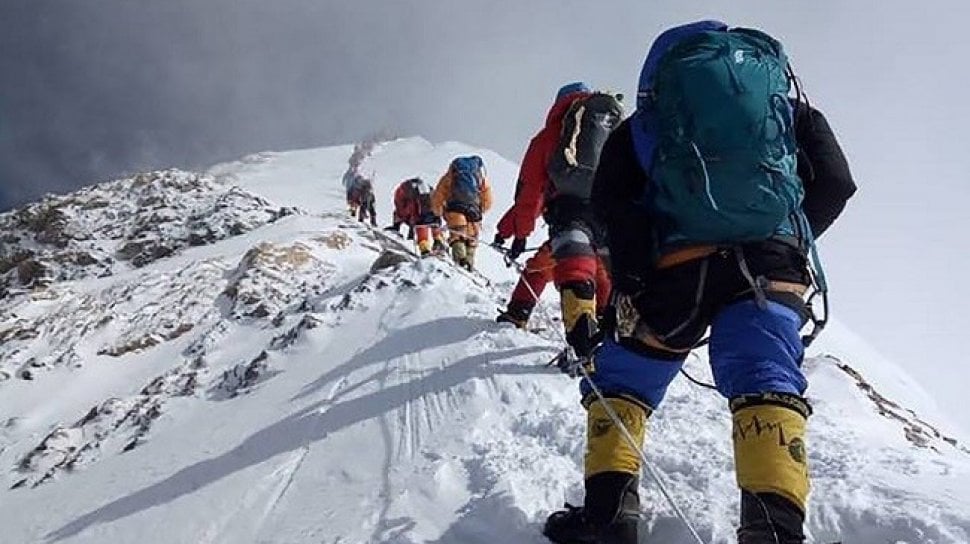
- Mind you, this is a modernity-defined and technologically inclined time, even as we consciously do not take the foot off the pedal to keep digging at discovering newer innovations. As we know, one of the most physically demanding human endurance tests is to climb the high mountains, especially the Himalayan range. While the summit conquest is considered the ultimate test of human endurance, the improved assistance for the adventurous also denotes that more climbers are succeeding in reaching the summit. Of course, with the assistance of Sherpas, who are indispensable for concluding the climb as envisaged. Interestingly, as an aside, Tenzing Norgay’s friend Rabindranath Mitra had started a rumour about the Sherpa having three lungs.

PC: YouTube
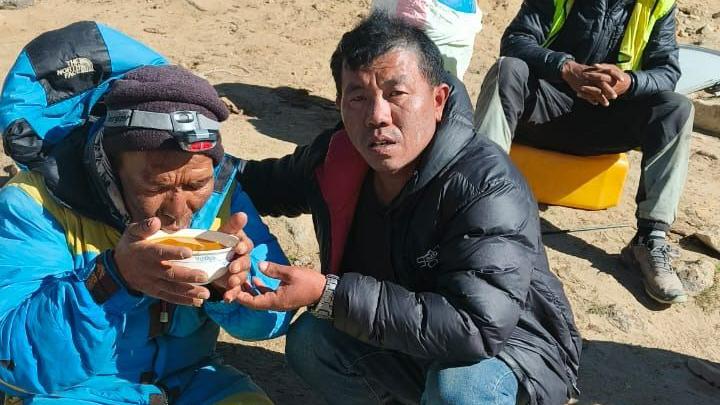
- Many believed it as well. Seventy years later, we could say the same of Dawa ‘Hillary’ Sherpa, without drawing incredulous looks. As reported, how did a 52-year-old survive six days onEverest, without food, water, and bottled oxygen? It defies logic and human limitations. The theory we like most is also the simplest – mental strength. Because physiology alone is useless in a hopeless situation. And what can be more hopeless than falling into a 60-foot crevasse, with no way out? But Dawa patiently watched snow fill up the gap, clambered out, and kept going till he was rescued. Agreed, physiology helps, and some Sherpa genetic adaptations are incredible. Ordinary folks produce more blood cells at altitude to overcome oxygen scarcity, which thickens the blood, making it harder. Amazingly, Sherpas don’t.
PC: ABC News
- Cambridge scientists found that Sherpa mitochondria – the energy-producing part of each cell – are super-efficient at using oxygen and making ATP to fuel muscles. Ordinary folks make less phosphocreatine – our auxiliary energy source – at altitude, but Sherpas produce more. All of this is thanks to thousands of years spent on the Tibetan plateau – the Sherpas’ ancestral home. And we owe much to it. If Everest has become a walk in the park, more than 11000 ascents in the past 20 years, it’s largely thanks to Sherpas. Their experience in the most challenging terrains has made climbing safer. The death rate has halved, from 1.4% before 2006 to 0.7% now. This is an example of how human endurance is tested to the limits. Sherpas emerge unscathed, most often.