

- What’s the use of proclaiming from the rooftop about India being headed in the right direction to stand among the most advanced nations by the year 2047? We have been repeatedly assured that the aspirations of the billions of citizens are being met with all-around progression in every economic parameter. The development push from the Union Government, duly aided by the States, is supposed to position India as one of the fastest-growing economies in the world. While we bask in the glory of the magnificent future that may not come to fruition for all that we know, what one must not overlook is the fact that our aspirations are not being supplemented by the modern technical know-how to set right the moribund system prevalent everywhere.

PC: Hindustan Times
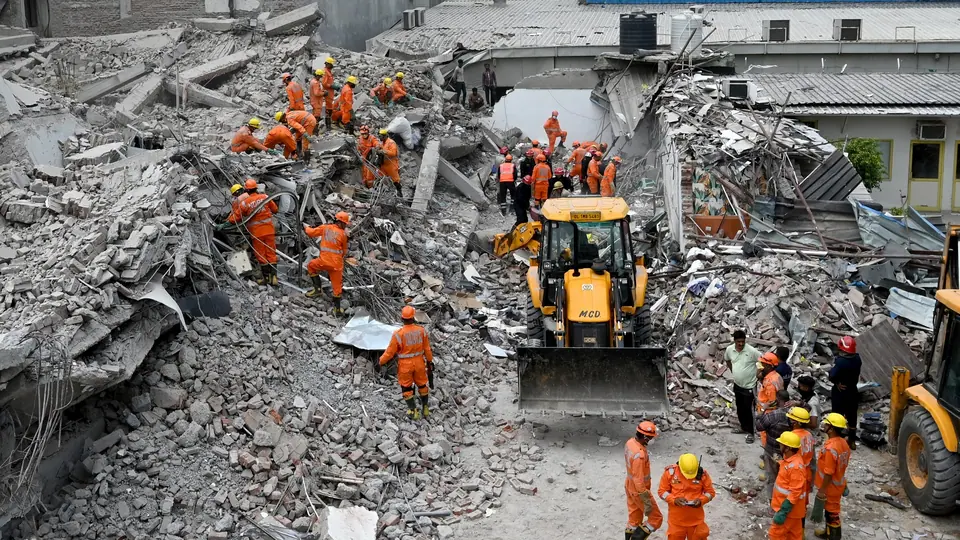
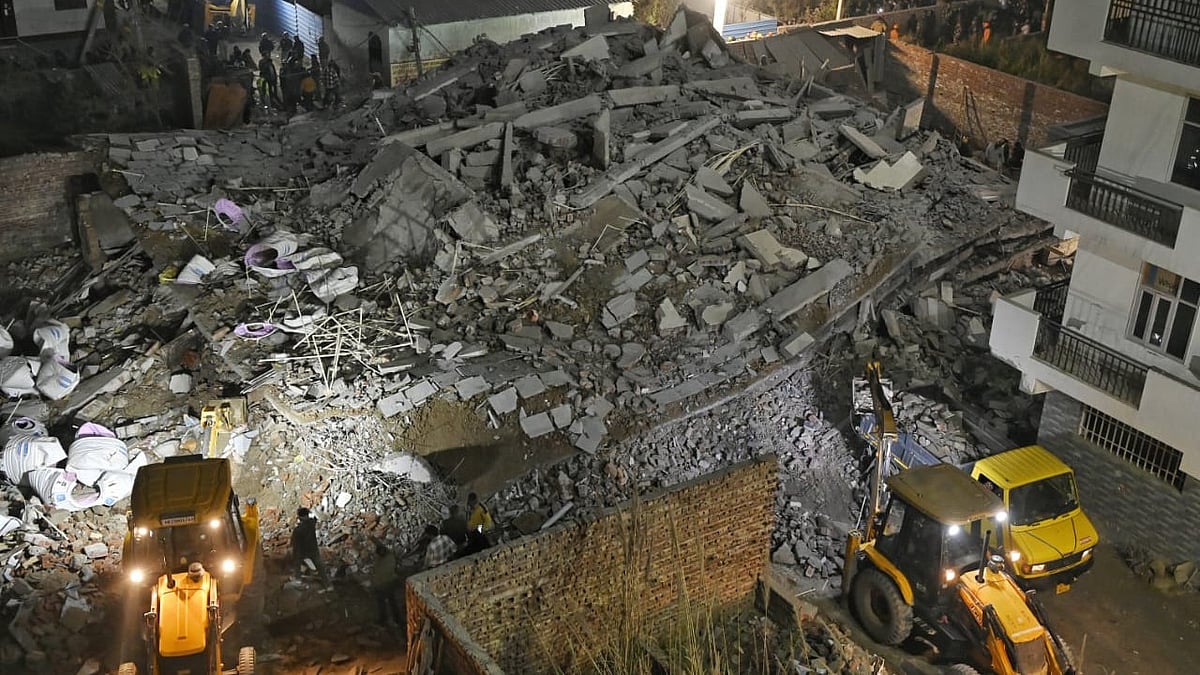
- Take, for instance, how the system is endowed with living up to the expectations in the urban dwellings, vis-à-vis ensuring safe infrastructure takes shape, offering the citizens a welcome experience in line with the present-day trend. As such, Delhi’s latest building collapse is another reminder to revamp the revenue and administrative models of our cities. A five-storey building collapsed in Delhi recently, killing six people and leaving 10 injured. It wasn’t old, but poorly built. And the owner was adding another floor to it, for additional rent. It was, plainly, a house of cards, so its falling was no accident. What was it then? Negligence is a ready answer. But it denies culpability. Have we not heard such statements emanating from the authorities so often?
PC: National Herald
- Civic officials, whose job is to keep an eye on construction, groundwater extraction, sewage, power connections, etc., somehow didn’t notice this 50-ft block. A giant walked through the park unnoticed. It’s simply apathetic. Fact is, it wasn’t the only building of its kind in the neighbourhood, and cities across India are full of them now. What’s going on isn’t negligence but wilful connivance. But why? Why are unplanned neighbourhoods increasingly becoming dense commercial and residential hubs? The answer lies in our failure to plan cities as engines of economic growth. India is a growing economy, and demand for built-up area is rising rapidly. Per a World Bank estimate, urban India will house 60cr people and produce 70% of GDP within a decade.

PC: National Herald
- Mind you, this can’t happen if policies throttle the growth of cities. This is evident from the horizontal spread of our cities this century. Builders and buyers have been moving to the suburbs – or to unplanned neighbourhoods where officials look the other way – because they are cheaper. Space within cities is costly because it is scarce, but the scarcity is manmade. There are limits on the percentage of a plot that can be covered, and more limits on the number of floors that can be built. Where Singapore allows 2500 sqft of floor space on a plot of 100 sqft, Delhi allows only up to 350 sqft. This is an old problem that experts have repeatedly drawn attention to. We must first fix the governance structure to ensure scientific growth shows authority and accountability. And devise well-established modern building norms by picking up from countries like Singapore.