
- Irrespective of the mode of governance in place, one of the most common requirements of any citizen across the world is the process to obtain a bonafide document ascertaining the validity of citizenship. Every country has a defined process for obtaining the document within the Constitutionality of its respective administration. As we know, the Census undertaken by the government authorities enables them not only to know the population of a particular country but also to use the data mined to initiate several socio-economic measures to benefit the populace. It goes without saying that undertaking a census of the population is an absolute imperative and alsovital to ensure citizens have valid documents to prove nationality. Or is it?
PC: Medium
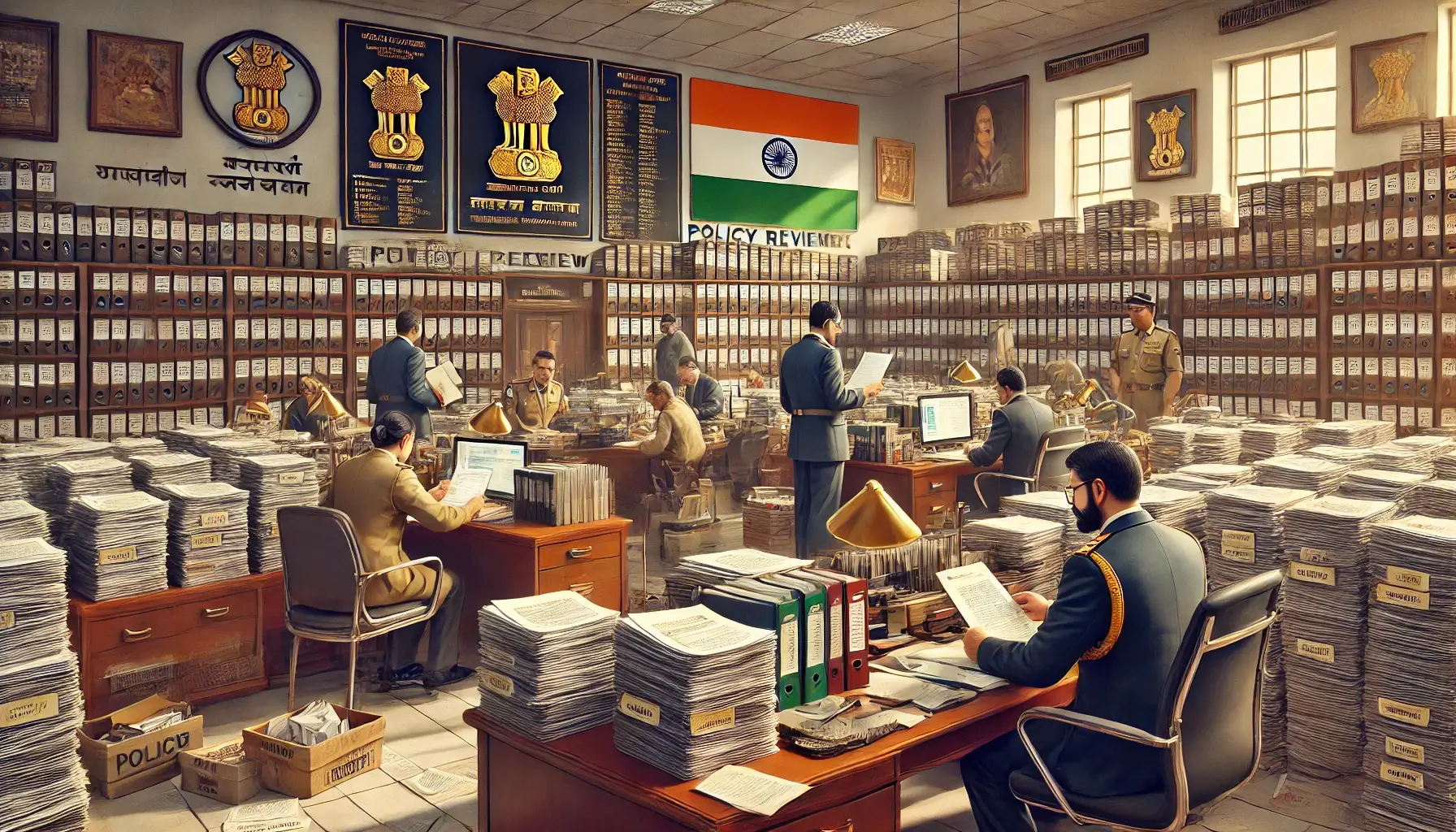
- Of course, every country has well-defined processes to ensure valid documents are issued for identification and to be eligible to receive various socio-welfare measures available. Thus, the proof of citizenship and the accompanying rights are largely governed by the documentation and identification processes. What about India? Digitization endeavours have enabled India to introduce meaningful measures for the documentation and identification of citizens. However, since the rural landscape of India is so vast and widespread across a huge swathe, citizens struggle to obtain the necessary documents to validate their existence. The administration’s penchant for seeking valid documents with rigidity also compounds ordinary citizens seeking relief for diverse reasons.

PC: Republic World
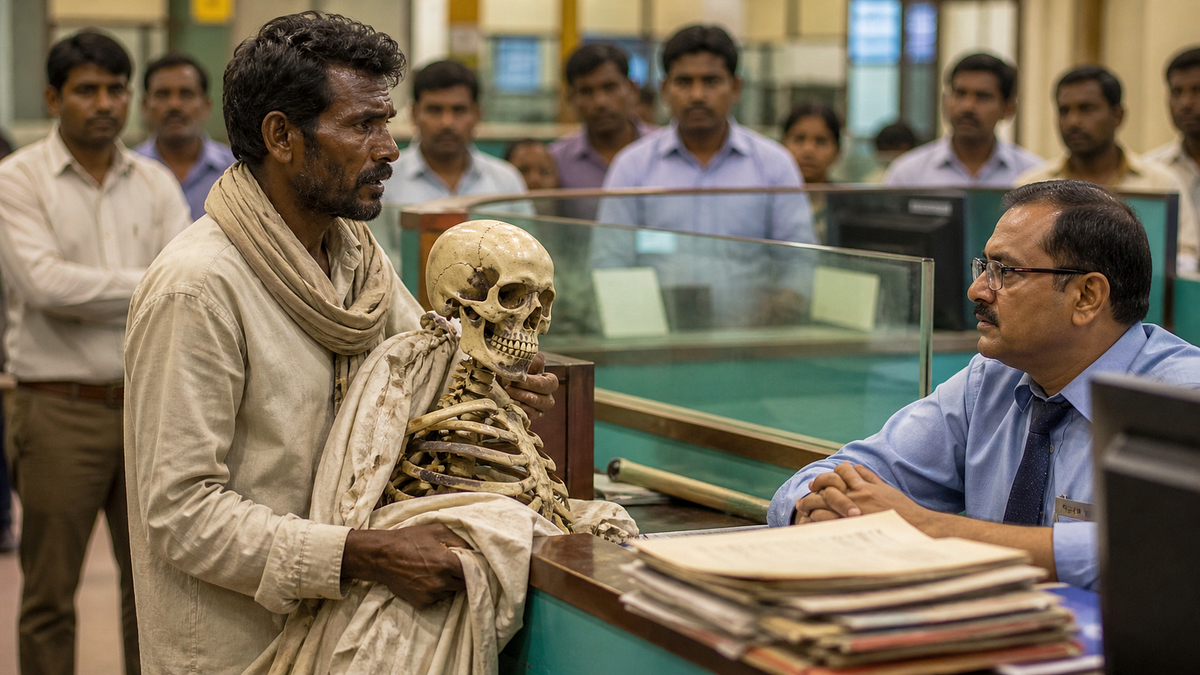
- A recent instance in Odisha highlights this aspect and the challenges associated with the documentation part. Odisha bank branch officials, who demanded proof of the death of a woman from her brother, found a way around the lack of documents speedily enough when he carried her skeletal remains to the bank. Yes, you read it right. And that is the single point that needs emphasis. Compliance with rules is one thing; refusal to address the reality of document scarcity and poor documentation across large tracts of India, quite another. In this case, the 52-year-old in Odisha’s Keonjhar had made multiple visits to the bank, which refused to budge without ‘documentation’. Ground truths are disregarded, showcasing the wretched circumstances people end up in. Especially the poor and illiterate undergo tremendous hardships on this front.

PC: Freepik
- Documents to show eligibility – whether for claims to deceased kin’s savings, or right to be on a voter roll – are needed. But why does getting the simplest of documents remain a bureaucraticnightmare? Procuring documents is an ordeal in itself. A name-change or a property deed, a duplicate academic certificate, or proof of birth/death can be notoriously complicated. A missing certificate can block school admission. A misspelled name can stop a person from opening a bank account. Smallest corrections need affidavits & notaries & repeated visits to offices – or money to middlemen, for whom conjuring paperwork is a livelihood. Document-seekers must jump through endless hoops. Red tape has no accountability. The notion that administration exists to serve people should be upheld. Once this is wholeheartedly embraced, the welcome change will be apparent.