

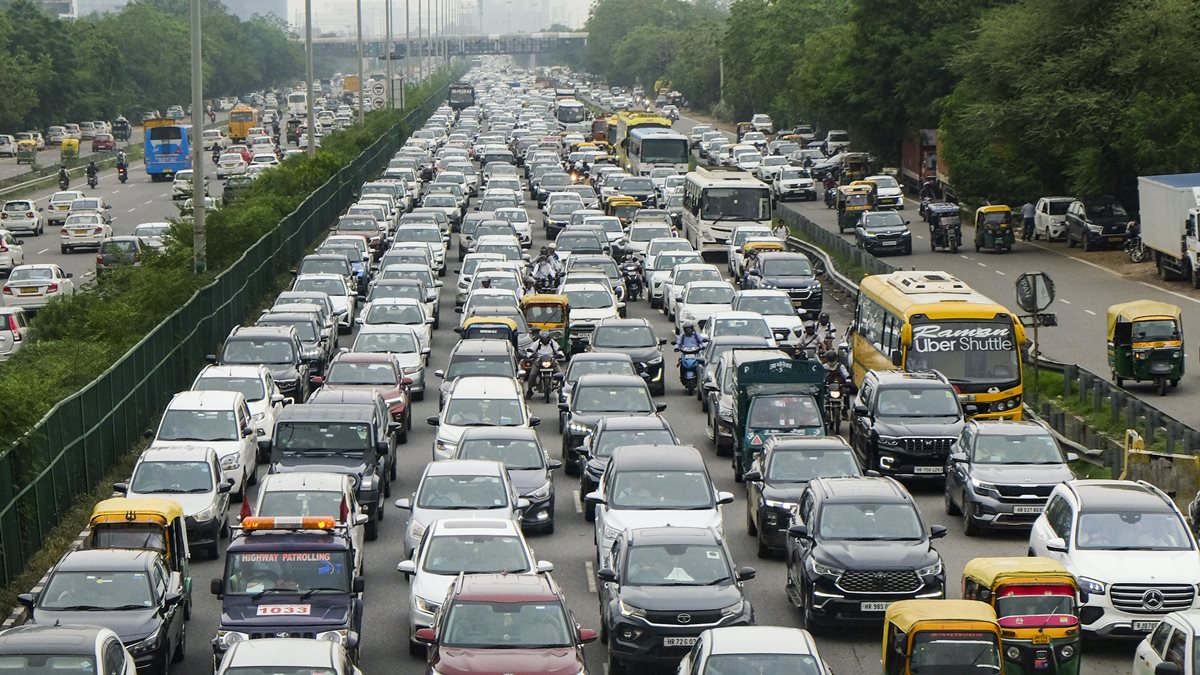
- The Indian enforcement agencies, vis-à-vis ensuring adherence to pollution, are severely compromised at the best of time is, stating the obvious. Our policies governing pollution-related issues, especially those emanating from vehicles, have been under the scanner for their irrational guidelines. Yes, no one would question the inevitability of contributing to mitigating the growing concerns about vehicular pollution and its contribution to the greenhouse effect. The counterproductive fallout of environmental degradation is there for all to endure in various ways and forms. The weather vagaries, as a consequence, are a matter that definitely deserves serious consideration. However, the pollution control measures deserve a serious relook for sure.
PC: The CSR Journal
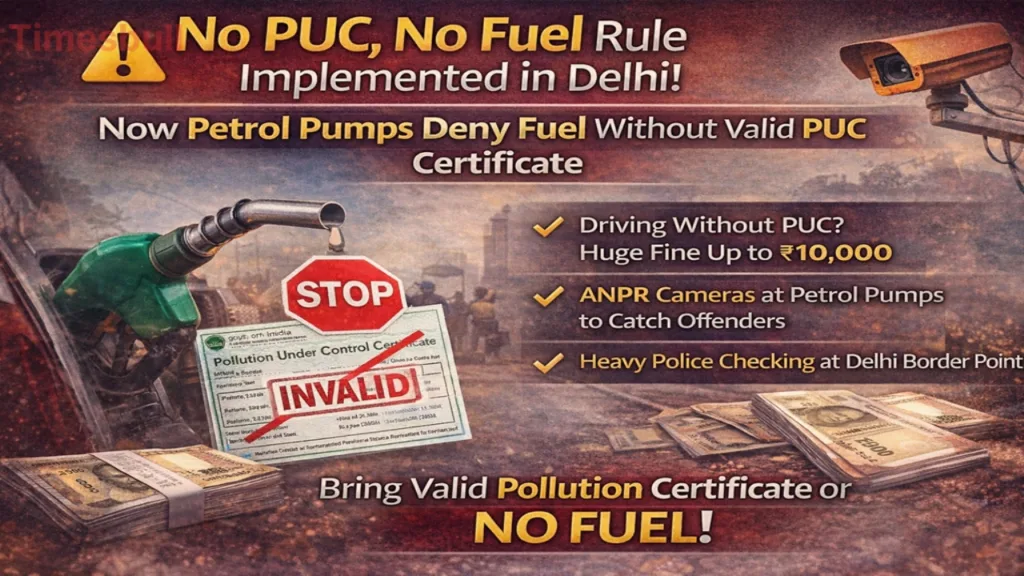
- Let’s look at the matter in a nutshell. Delhi government’s war on old cars hurts the environment in the environment’s name, punishing those of modest incomes. Furthermore, in India, consumer rights feel very conditional and erratic. Case in point: Delhi CM has directed strict enforcement of the ‘no PUC no fuel’ policy. That’s our right to an essential service, gone. With petrol pump staff expected to police this pullback. Not to mention that, before denying us fuel, because we don’t have a PUC, the government has denied us a PUC. This is ghoul level, even Kafka can’t touch. Pollution Under Control certificates are being held back from ‘end-of-life’ vehicles. Meaning diesel ones older than 10 years, petrol ones older than 15. The cause of holy: fighting pollution.

PC: Bolidem
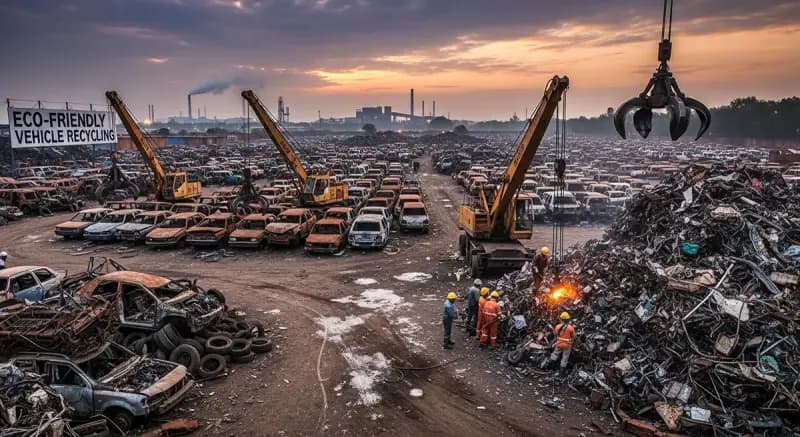
- And the logic, batty. Mind you, Germany, Japan, the Netherlands, and Switzerland are countries whose capital is never the world’s most polluted; don’t discriminate against vehicles by age. What they do, instead, is pass or fail a vehicle based on what actually comes out of its exhaust. They build rigorous, reliable inspection regimes, like Germany’s TUV, and Japan’s Shaken. Precise fair systems don’t punish well-maintained older cars. They mobilise environmental price signals, which make running a dirty old car expensive, but also buying a new heavy SUV. By contrast, in ban-preferring India, utility vehicles – SUVs and MPVs – accounted for 67% share of passenger vehicle sales in FY26. The ‘embodied carbon’ cost (mining, smelting, fabrication, transport) of all new vehicles makes scrapping older cars that run well inexcusable.
PC: Nxcar
- But UVs carry extra ecological culpability. Remember, even BS6 compliance is linked to vehicle size, which means a big SUV meeting this standard has more absolute emissions than a tiny old hatchback in good shape, which goes much further per litre of petrol. Another indefensible thing about Delhi’s scrappage fetish is its wealth blinkers. Policymakers seem unable to see that for many families and small enterprises, upgrading to a new car is quite a challenge today. Delhi’s air quality crisis is acute. That’s all the more reason for stringent pollution testing, targeting gross polluters, and fixing the metro’s last-mile connectivity problem. Instead of illogical, unfair policies. An aspirational society like India should build on sound policies rather than ill-advised measures.