

- As you know, reams and reams have been written on the subject matter, fiercely debated over the decades at every critical international forum, several countries have passionately expounded the virtues of holistic living, and innumerable efforts are underway to mitigate the growing concerns about environmental degradation. The whole world is showing enormous concerns about the rampant misuse of greenhouse gases. For the uninitiated, greenhouse gases (GHGs) are atmospheric gases – primarily carbon dioxide, methane, nitrous oxide, and fluorinated gases – that trap heat radiating from Earth, creating a warming greenhouse effect. Human activities like burning fossil fuels, deforestation, and agriculture have significantly contributed to the mayhem.

- The consequences of these man-made effects are the reason behind rapid global climate change and record-high temperatures. The weather vagaries caused by environmental degradation have resulted in unseasonal rains, floods, droughts, storms, snowfall, and some such occurrences, making the global community feel extremely vulnerable. The economies around the world have taken a severe hit owing to the unpredictability associated with the vagaries of the weather. The rising temperatures have completely altered the hitherto predictable weather patterns. Add to the conundrum the El Niño and La Niña patterns, and the recipe for natural disaster is complete. Humanity will have to brace up for even more disastrous consequences. This is dangerous.

PC: Adda247
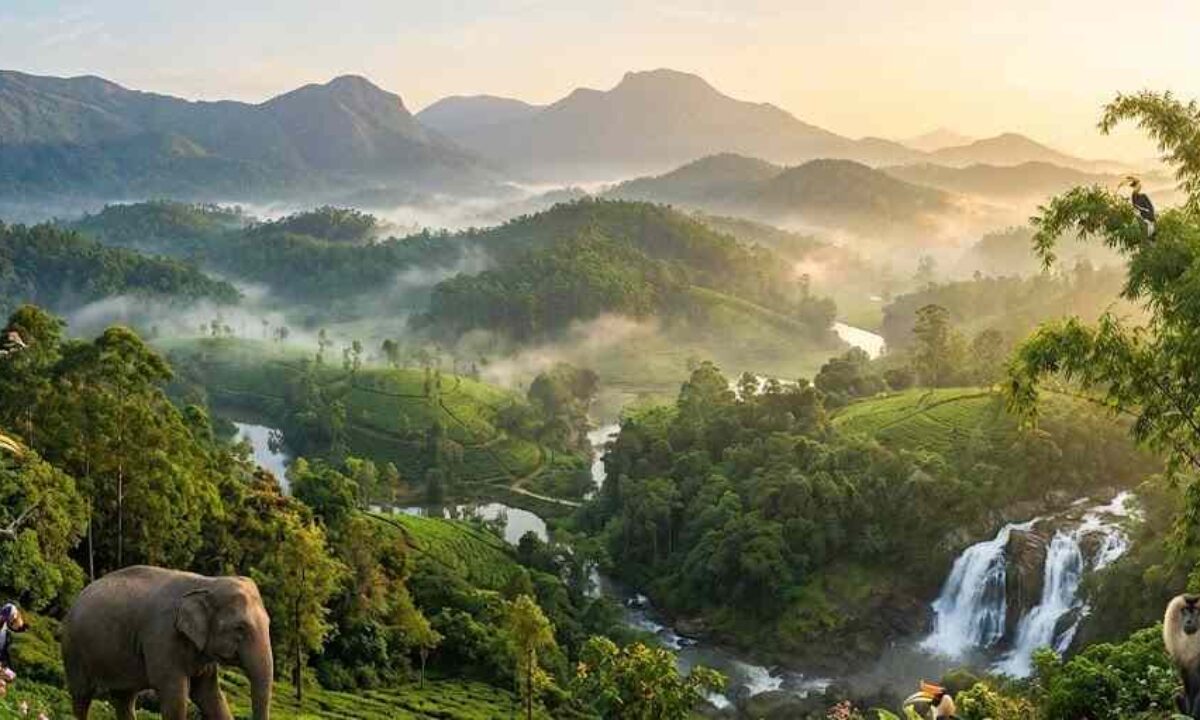
- Yes, the developmental activities must be accommodated in commensurate with the growing aspirations of the burgeoning population, driven by the innovatively magnificent technical inventions happening with such dynamic regularity. What about the Indian response to the emerging challenges, though? A warning has been sounded out from the Western Ghats recently. But who’s listening? In India’s monsoon folklore, dragonflies arrive like whispered promises – tiny aviators that signal rain, renewal, and a farmer’s cautious hope. Their flicker over fields has long been read as a good omen, a living forecast stitched into the sky. But all of that is in danger. A recent two-year survey across the Western Ghats reveals an unsettling shift. What is it?

PC: Sahya Dale
- A 35% decline in dragonfly and damselfly species. Researchers documented just 143 species across five states, a stark fall from 222 once recorded. Reasons are neither mysterious nor new. Freshwater systems are under siege from pollution, reckless infrastructure expansion, mining, and quarrying. Dragonflies double up as ecological sentinels. When they vanish, they take with them a verdict on water and air quality. Their decline is less a statistic and more a warning flare over one of the world’s richest biodiversity hotspots. Sadly, this trajectory was foreseen. Dragonflies, monsoons, agriculture, and livelihoods form a single, intricate braid here. Tug at one, and the whole system tightens. Ignore them, and the silence they leave behind may speak louder than any data. We can’t remain insensitive any longer. Act and preserve, we must.