

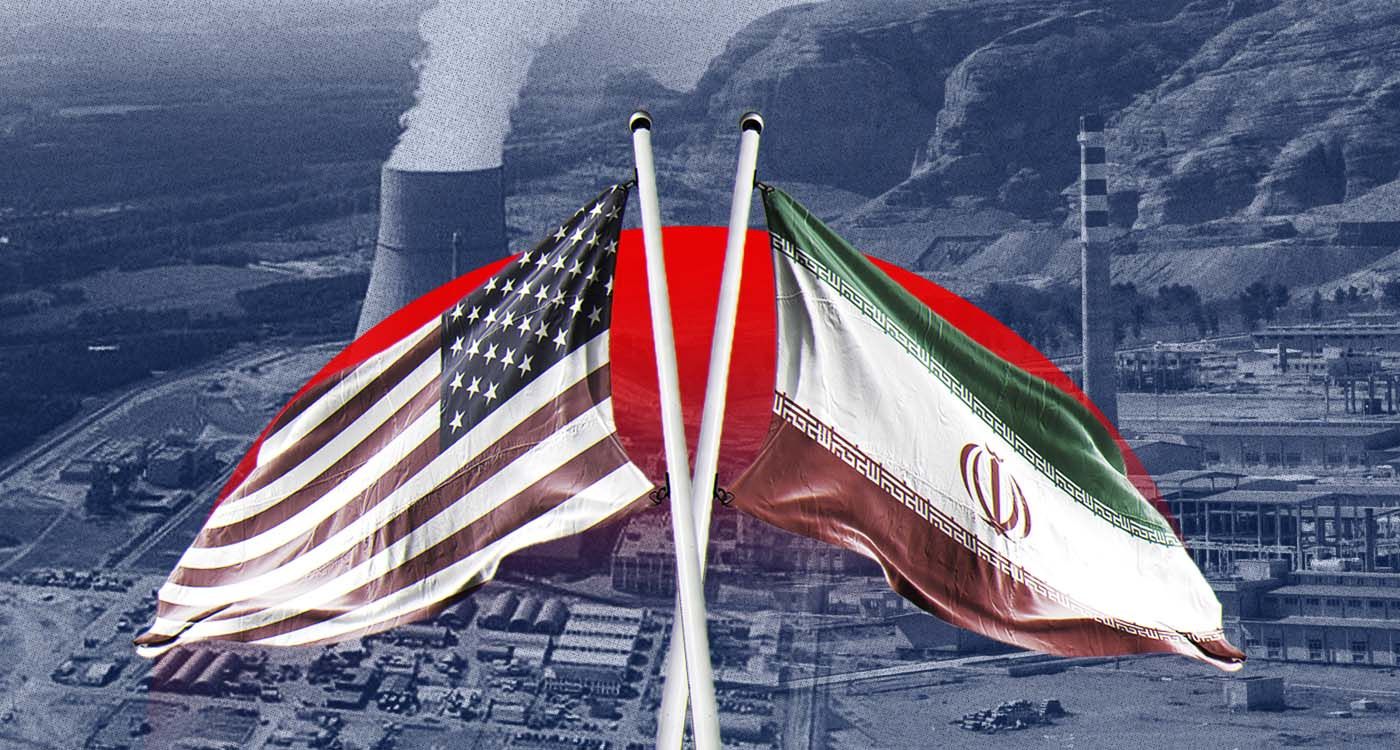
- The global community must be feeling extremely anxious, irritated, and increasingly disillusioned with the turn of events in the West Asia conundrum involving the US-Israel-Iran on the one hand, and the Gulf countries forcibly dragged into the conflict on the other hand, which no one desired in the first place. The resultant outcome is that the world’s energy supplies have been severely disrupted with the turn of events would be tantamount to an understatement. Sadly, the war started by the US-Israel combo in late February continues unabated with no signs of thaw, despite the affected countries and others making impassioned pleas for resuming peace talks. Though both affected countries accepted the peace talks, the outcome was anything but welcome.

PC: Al Jazeera
- Iran is holding on to the Hormuz Strait as a bargaining chip to choke the critical energy supplies, which means the people around the world will continue to be under strain for energy supplies. Further, Trump’s egotistical decision to go ahead with the blockade of the Strait of Hormuz only further exacerbates the already tense situation. The world cannot be held to ransom for Iran’s uranium either. Thus, opening Hormuz should be Trump’s priority. Last year, the world economy grew 3.4%, a modest increase despite Trump’s tariffs. In Jan, the IMF predicted 2026 would also be a 3.4% year. Now, it has revised its estimate downward to 3.1%, but its chief economist sees 2.5% as a likelier number. What’s changed is the Hormuz crisis: the biggest energy shock in history.

PC: Washington Times
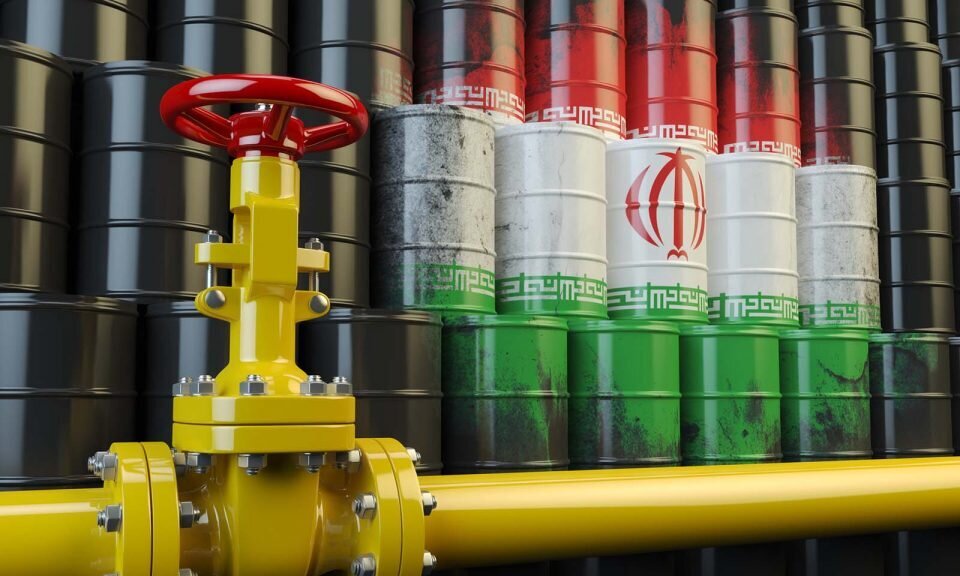
- For the past 50-odd days, oil and gas have barely trickled out of the Gulf. Unable to move oil and gas via the Hormuz Strait, Gulf nations have scaled back production. By one estimate, 500mn barrels of oil output, worth $50bn, and enough to last the US a month, has been lost. No LNG has crossed Hormuz in this period. Plus, shortages of fertilizer, aluminium, helium, and sulphur – in turn affecting production of copper and nickel – have emerged. If this continues, world growth may slow to 2%. That’s why opening Hormuz at the earliest is essential. And the only way to do it, permanently, is through talks with Iran. The US and Israel have already seen the consequences of unprovoked war. Their strikes may have berthed Iran’s navy on the seafloor, but it’s still got enough gunboats to cause harm, as we saw last week, when two India-flagged vessels were attacked.
PC: Tehran Times
- Iran has missiles and drones too. What force might not achieve in another month or six, talks can do now. In fact, last week started well after the first round of US-Iran talks, followed by Israel-Lebanon ceasefire, and Iran’s unexpected suspension of its own blockade on a Friday. Oil prices eased, and stock markets soared. But now, after Iran’s gunboat action, another week has started with trepidation. This situation cannot be allowed to persist for eternity. The sea traffic must be normalized to allow the seamless passage of energy supplies. The egotistic approach adopted by Trump must pave the way for the pragmatic situation unfolding sooner rather than later, since the economies around the world are heating up. This should be the priority.