

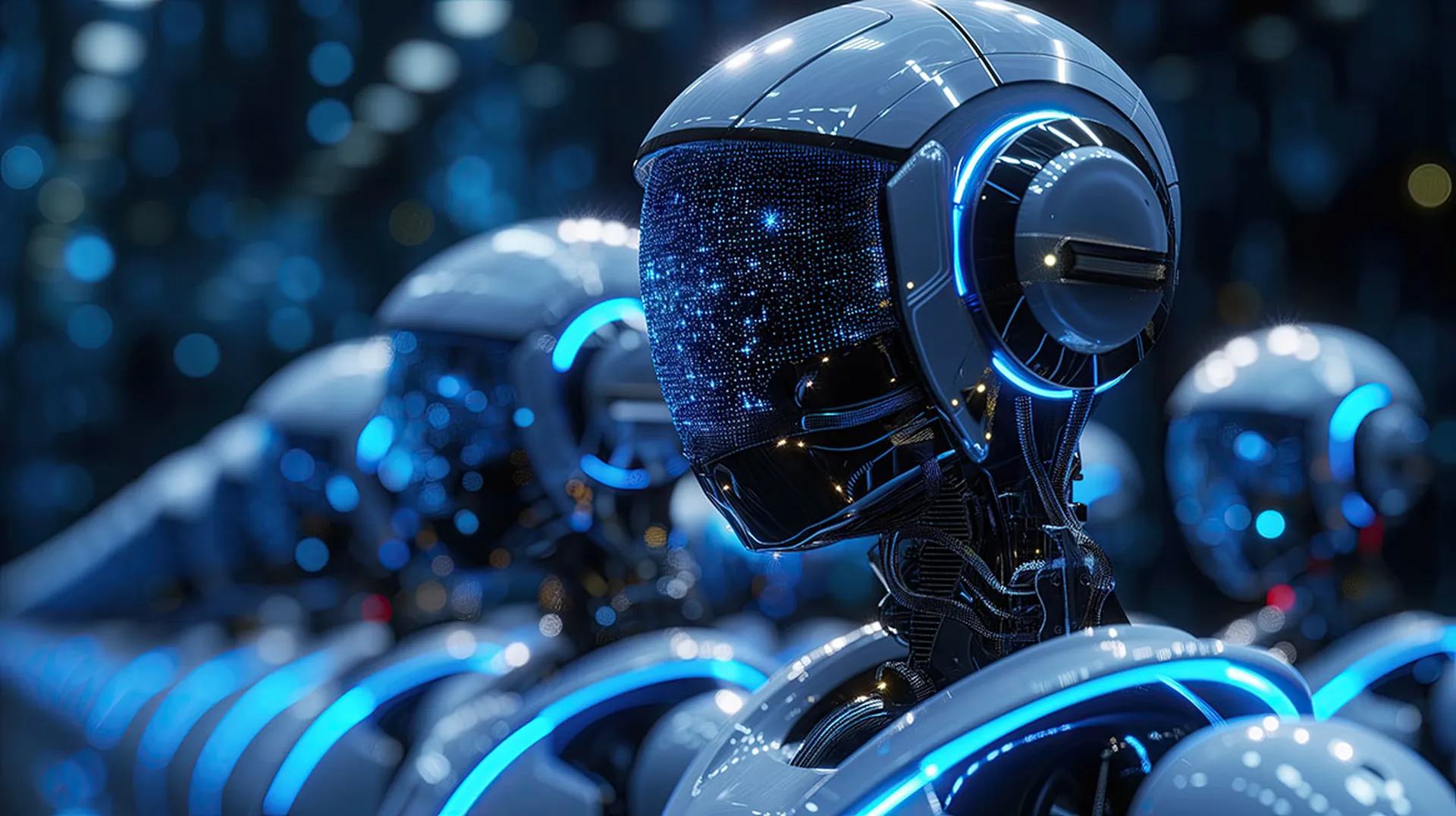
- It’s a matter of a few years before the machines are driven by the all-encompassing, overpowering Artificial Intelligence, which would assert supremacy in fields hitherto considered insurmountable for ordinary human beings. The rapidity with which the AI-driven initiatives have made their presence felt in every walk of life that it’s becoming increasingly intriguing to what extent these cutting-edge technologies would pave the way for even more fascinating aspects. Remember, while we were growing up, how some of the sci-fi movies featuring Hollywood superstars would showcase the machines becoming too powerful, taking on the might of human resilience. Those fantasies of the celluloid are transforming into stark realities.
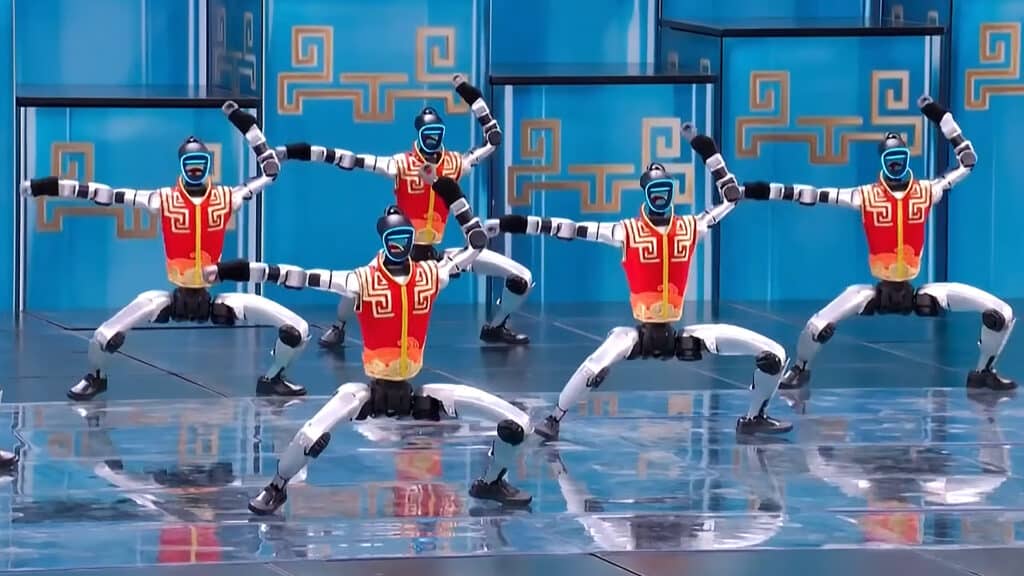
PC: Kursiv.kz
- The moot point to ponder over here is whether we celebrate the human endeavours for having breached the ceiling with such distinct endeavours or are we to feel anxious and apprehensive with the enormous possibilities that the eventual world would become when the machines start ruling the roost. Thoughts are not unfounded with the machines’ growing physical capabilities, combined with AI’s rapid strides, posing an existential crisis for our species. Recollect how the world changed on Feb 10, 1996, when IBM’s Deep Blue computer beat Garry Kasparov at a game of chess. It changed again a few days back when a humanoid robot beat the men’s half-marathon record by a mile, in Beijing. None doubted it would happen someday, but not so soon, you see.

PC: ExtremeTech
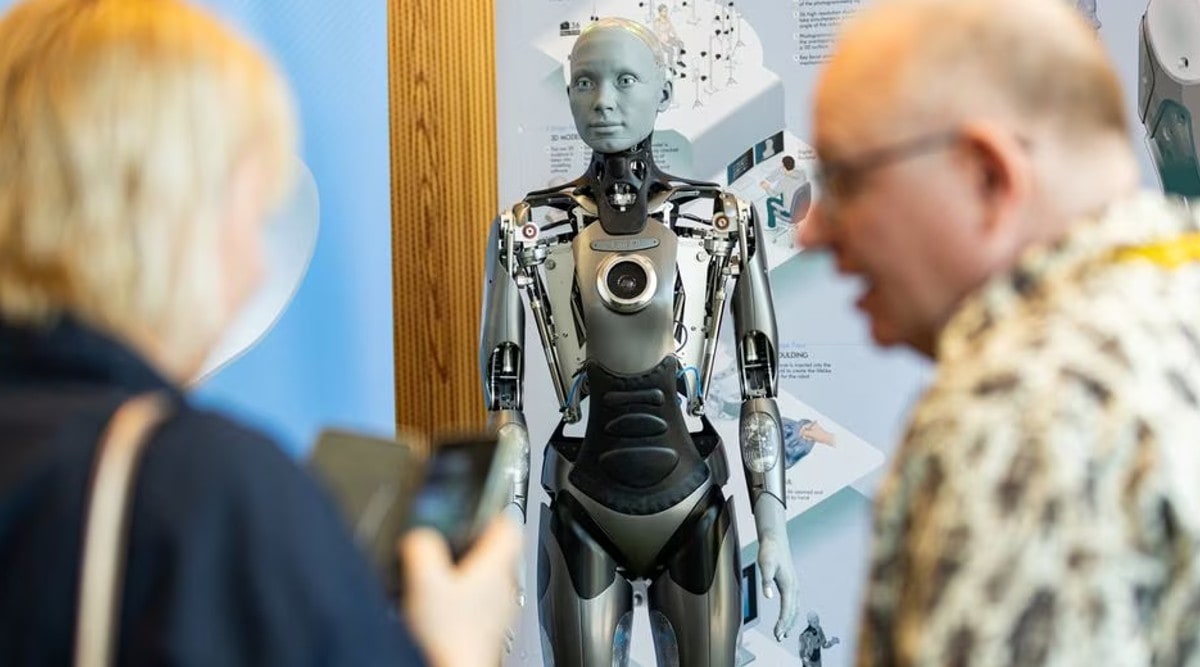
- Let’s go back to last year’s fiasco, when the winning robot made it to the finish line in 2 hours and 40 minutes. This year’s winner took just 50 minutes and 26 seconds, averaging 25kmph. How fast could humanoid robots be next year? T-1000, chasing cars and bikes in 1991’s Terminator 2, doesn’t look unrealistic anymore. There are many faster robots. A driverless bullet train doing 350kmph, for example. But we don’t feel challenged by them. Humanoid robots, on the other hand, fascinate us with their form and their possibilities. Nobody’s afraid of a string puppet that looks and acts human. But an autonomous human-shaped robot that appears to think better than us physically is threatening. Happily, there aren’t too many of them around now.
PC: The Indian Express
- Last year, only 14,500 were sold across the world, 90% of them made in China. But robot evangelists see a big shift coming. Musk, who’s developed the Optimus robot, plans to make a million every year. Morgan Stanley predicts over a billion humanoids in service by 2050. That could be a problem. If tireless robots, who never demand downtime, replace blue-collar work, what will the vast majority of humans do? The fear is that machines will make humans redundant.We could do nursing and caring jobs – at least that was the hope – but Big Tech doesn’t want that. What’s the point of humanoid robots with hands and sensitive fingers when we don’t need those features to weld car frames in factories? Interesting times are ahead of us. Men versus machines.