


- The incumbent Indian Central Government is gung-ho about proclaiming at every opportunity/platform about how the country is poised to be standing next to some of the most advanced nations by the year 2047. The aspirational society, we are told, is on the right path to reach the hallowed level, with the economy picking up pace to reach the envisaged objective. However, the reality on the ground, and the fast-changing geopolitical/geostrategic situation may not be supporting this view in totality. The Indian GDP growth, ever since the debilitating COVID-19 days, has been steady without being spectacular. Even though we are termed the fastest-growing economy in the world, the acceleration of growth will not take us to an exalted position.
PC: PWOnlyIAS
- One of the most glaring anomalies that any economic/financial expert of repute would notice is the far from ideal employment generation happening in the country. Despite the leadership at the Centre and the economic thinktank initiating several measures to ensure the GDP growth not only sustains continuity but also paves the way for scaling up hasn’t actually fructified in the absence of employment opportunities. One way to offset this glaring anomaly is to drastically alter the prevalent thinking in the nation to embrace any job with dignity. Skilled or unskilled, so long as we can contribute to the growth of the nation, encouragement should be forthcoming from all corners. Mind you, skilled physical work is not a social stigma.
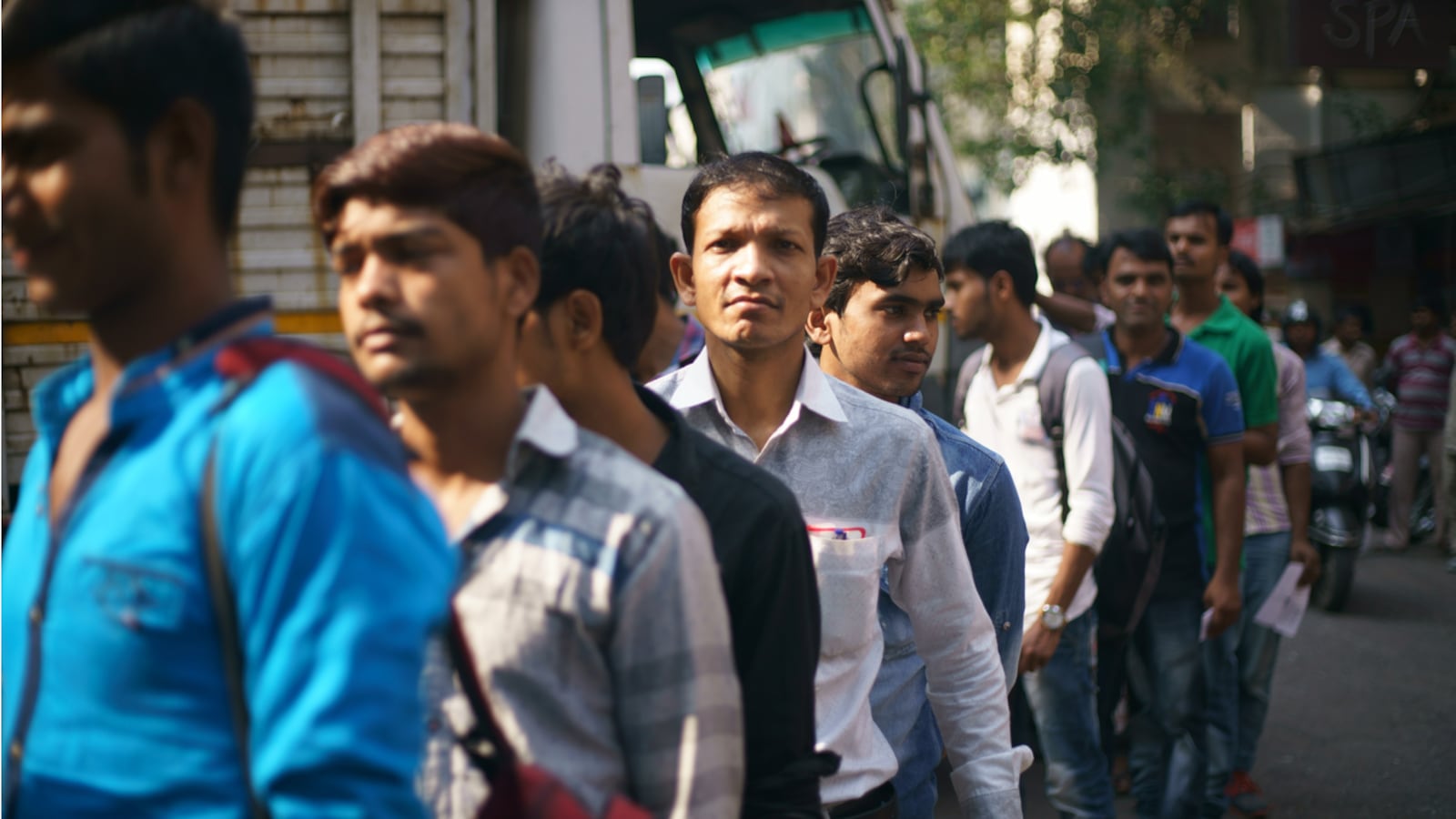
PC: Moneycontrol.com
- What we must embark on is to fix our thinking if more young people are to find jobs. A recent study by Azim Premji University’s State of Working India 2026 highlights a key point that explains why India struggles to fix its 40-year-old problem of joblessness. Apart from structural challenges and gaps, the report talks of the need for an attitude shift in society on what counts as knowledge and what’s dignified work. Caste, class, and colonial legacies inform, to this day, what work is respectable. Only 6.7% young graduates, aged 20-29, had permanent salaried jobs in 2023. About 40% are unemployed. Less than half had some form of work: self-employed or ready to be underemployed, as a way of getting a foot in the door marked better prospects.

PC: JK Policy Institute
- Of course, high levels of unemployment among graduates are not uniquely an Indian phenomenon. But the sheer volume of India’s working-age population makes unemployability a crisis. Look at the numbers – India’s 367mn-strong working-age population (aged 15-29), is about 20mn more than the US’s population. Keeping out those in school and college, there are 263mn in the workforce. By 2036, the report estimates, graduates will be 38% of employable men, up from 26% in 2023, in age group 20-24. Among men aged 25-29, the share of graduates is projected to rise from about 30% to 42% by 2036. It simply cannot be business as usual. The report says skill training, vocational, and technical must be made aspirational. Formalising jobs that such training attracts is key. The world of work must be made class and caste-agnostic.