


- One of the disadvantages of the advent of cutting-edge information technology-driven innovations, inventions, and advancements in the present-day world is the disconcerting rise in cybercrimes reported from across the world. Of course, we are aware of the pitfalls of monumental developments like digitalization endeavours, which cannot be wished away anymore. While the consumer is extremely gung-ho about the immensely helpful contributions of the digital world, where humankind is increasingly wired to the internet and smartphones, the dangers lurking in the form of dubious elements striking gullible people are enormous. Little wonder that the cyber frauds reported are heading northwards alarmingly.
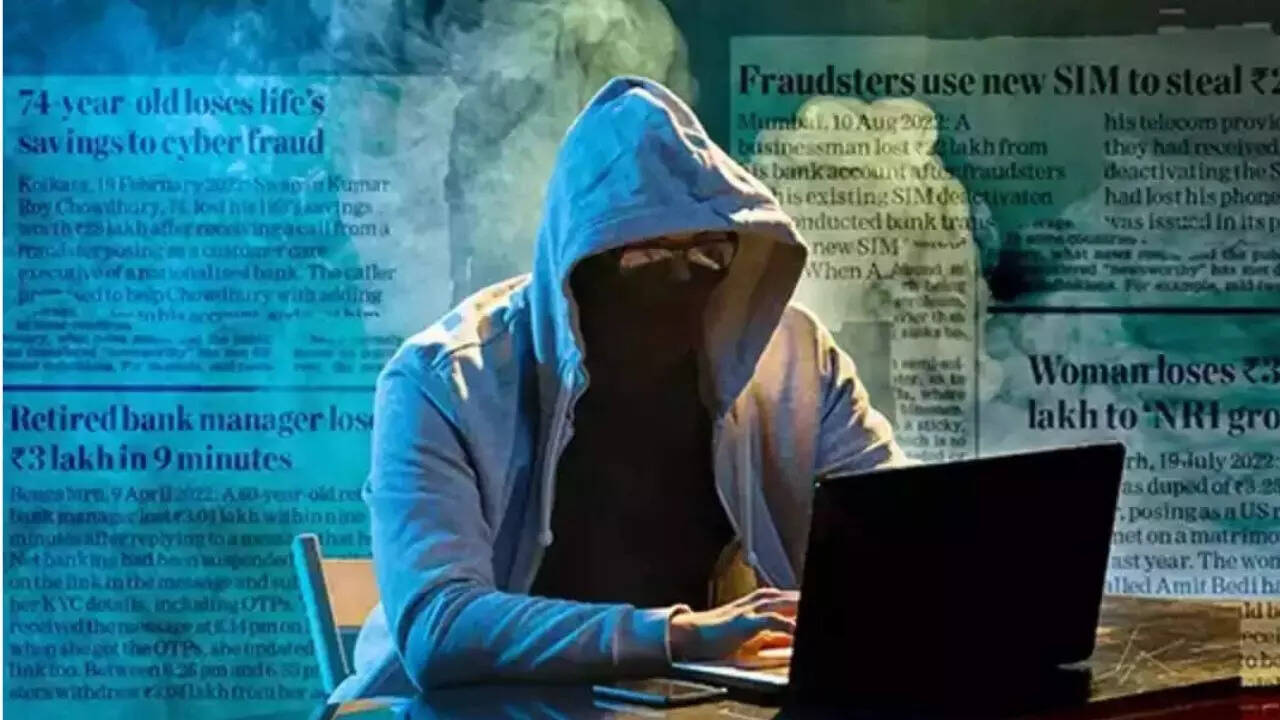
PC: BFSI News
- Despite the government authorities initiating measures to rein in the cyber crooks to protect innocent people from losing their hard earned monies, cyber-related crimes are occurring with great impunity. More indigenous and ingenious ways are being explored by the criminals on the prowl to syphon off money. Needless to mention, the cyber police are found wanting not only to preempt the crooks from committing crimes with such panache but also appear to be a step ahead, always prepared to fly under the radar. Another factor that must be seriously addressed is the glaring anomalies in the banking KYC (know your customer) processes that are making it convenient for the cyber criminals to run away with the syphoned money.

PC: IDfy
- So much so that lax KYC processes make it almost impossible to recover money lost to cyber fraud. Why should banks not be made to pay for laxity? Recently, a 78-year-old man who lost Rs.23cr in a digital arrest scam has moved the Supreme Court to get his money back. While police were able to trace and freeze about Rs.12cr, the remaining 48% is lost for all practical purposes. The man wants half a dozen prominent banks, where the cons had their mule accounts, to cough up the balance. Indeed, he has a point and a case as well. Let’s explore how. The argument is simple. To open a bank account, we need to prove who we are and where we live. This is the KYC process that can feel like harassment, especially when PSU banks force us to submit documents every year.

PC: The New Indian Express
- Yes, it’s a necessary condition to trace money as it flows through the system, and prevent corruption, tax evasion, and fraud. Evidently, banks have been lax about KYC norms in more than a few cases. How many? Nobody knows for sure, but considering that there are more bank accounts than phones in India, and that govt deactivated 80L SIMs bought with fake identity documents in just 2024, the number of suspect accounts could be in crores. And it’s a huge problem. Govt data shows Indians have lost Rs.52,976cr to cyber frauds over the past six years. Hardly a substantial percentage of the money is recovered. Because banks can’t nail their accounts to actual people. People are suffering. Accountability and costs must be fixed. It’s imperative.



