

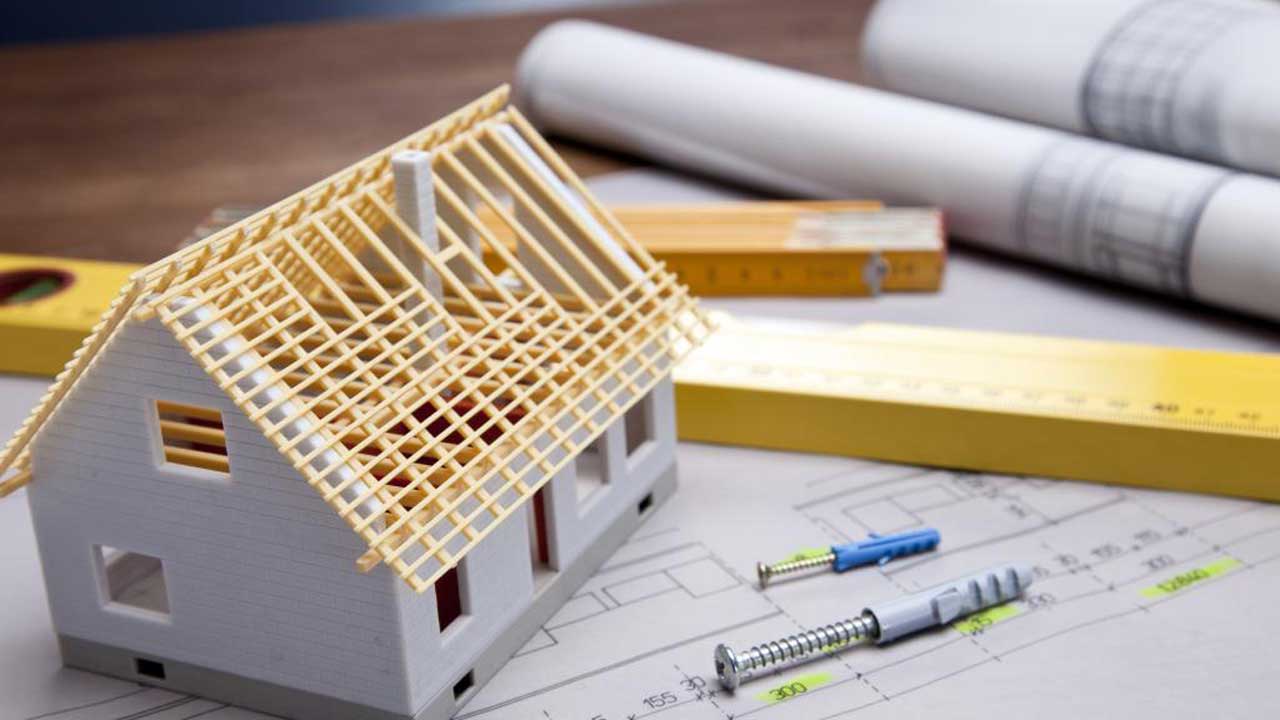
- Ask any average human being about their most fundamental necessities in life, and the answer would be roti, kapda, aur makaan. Food, clothes, and a house. Simple but profoundly impactful when all these three basic amenities are available for an individual to lead a dignified life with some content. Of course, we human beings are known to be greedy with no satisfaction whilst acquiring some of the most necessary requirements, but we always yearn for more. We are wiredthat way, which cannot be altered by giving up the materialistic comforts available within our reach. On the other hand, we also tend to crave more as well. Greedy, anybody? Again, we cannot help ourselves from seeking elusive comforts despite knowing we are driven by greediness.
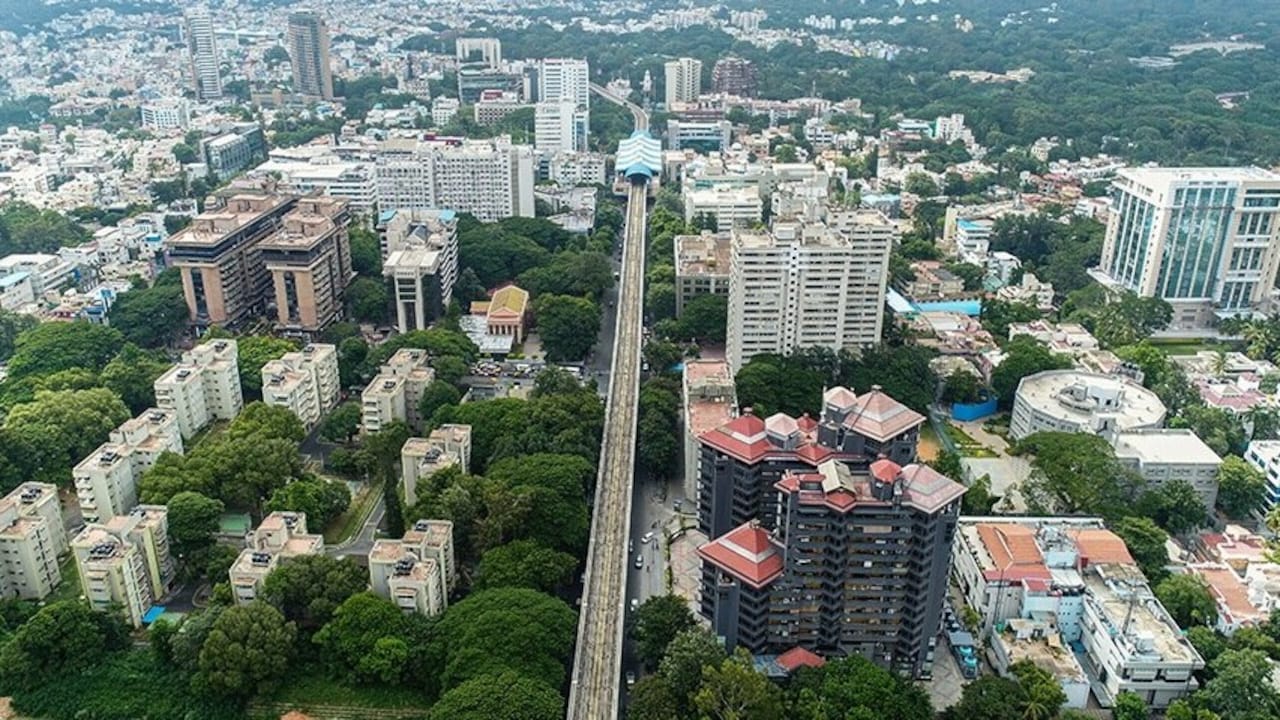
PC: Business Today
- However, what cannot be disputed is the fact that basic amenities are necessities that we must all strive to behold with more than a little help from the government authorities. The modern-day world, on the back of some mind-boggling advancements, is surging ahead at a frenetic pace. The housing availability, too, is getting thinner by the day since the resources are bound to become restricted when demand goes through the roof with many aspirants. Little wonder, the present-day governments across the world are facing dauting task in ensuring affordable housing for their respective countrymen. And to achieve universal affordable housing to ease the crisis, reducing costs of land and construction with some out-of-the-box ideas is most welcome.

PC: Experimental Theology
- For the uninitiated, one of Harvard’s most famous alums, the philosopher Thoreau, hand-built his famous cabin near Walden Pond, using wood from an abandoned shanty. We may not wish to be so modest, but with house prices soaring almost everywhere, we may have to eventually. In the US, about half a million people now live in motor homes. Not by choice – they’ve been forced by rising rentals. The number has more than doubled in four years. India’s middle class also knows the pain of rising EMIs and rentals. It’s a drag on the economy because it leaves earners with less disposable income. And our fixation with cement-and-steel high-rises does no favours to the environment either. These two key raw materials have enormous carbon footprints.
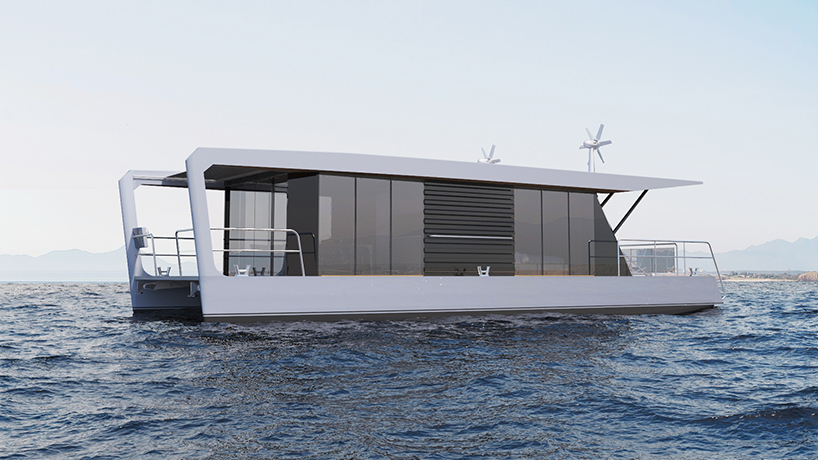
PC: Designboom
- In Delhi, for instance, a govt agency will build an ornately carved, 60ft long, 21.5ft high houseboat for about Rs.4cr. Not bad for the equivalent of three 3BHK homes. Besides, it’s a one-off that will be ready in six months, not years, from the date of tendering. We might object to the use of wood, as it will denude India’s thinning forests. But it won’t if we start with plantations. Unlike cement that adds carbon to the atmosphere, wood sequesters it. Every wooden pencil, table, bed, or house, backed by a plantation, is good that way. If the goal is thrift or economy, we can achieve it by reusing things that are past their service life. Shipping containers, for example. So, homes can be built cheaply. But where do we put them down? Exploration is the need of the hour.