

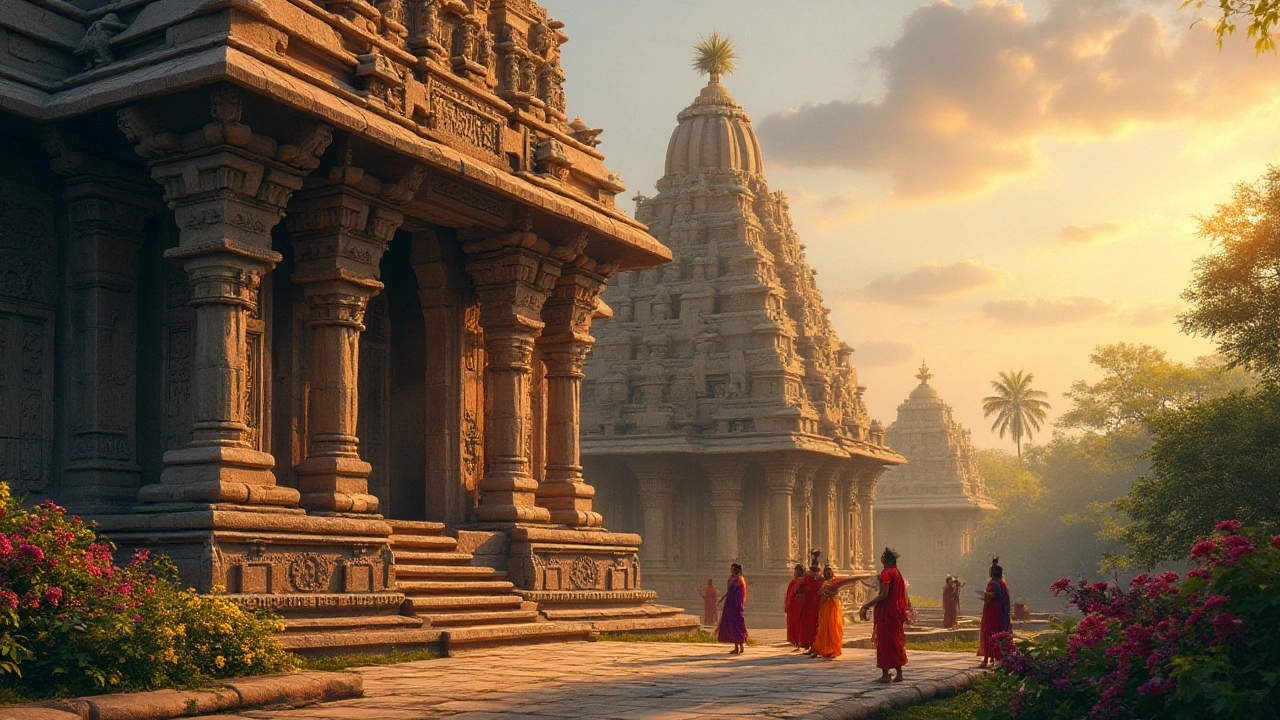
- One of the dichotomies that is quite apparent in India is the importance we attach to our ancient legacy, rich heritage, cultural diversities, and traditional practices, but show complete insensitivities in preserving them with equal diligence. Of course, we are proud of our legacy that has bestowed upon us a distinct identity globally, recognizing what ancient Indian civilization had to offer back in time, as also in the present times. Yes, we are gung-ho while mentioning the rich legacy that has stood the test of time despite encountering numerous existential challenges from time to time. Also, we are immensely proud of our legacy in every sphere of humanity, sparing no occasion in describing the same in detail.
PC: कीर्तनकार | Kirtankar
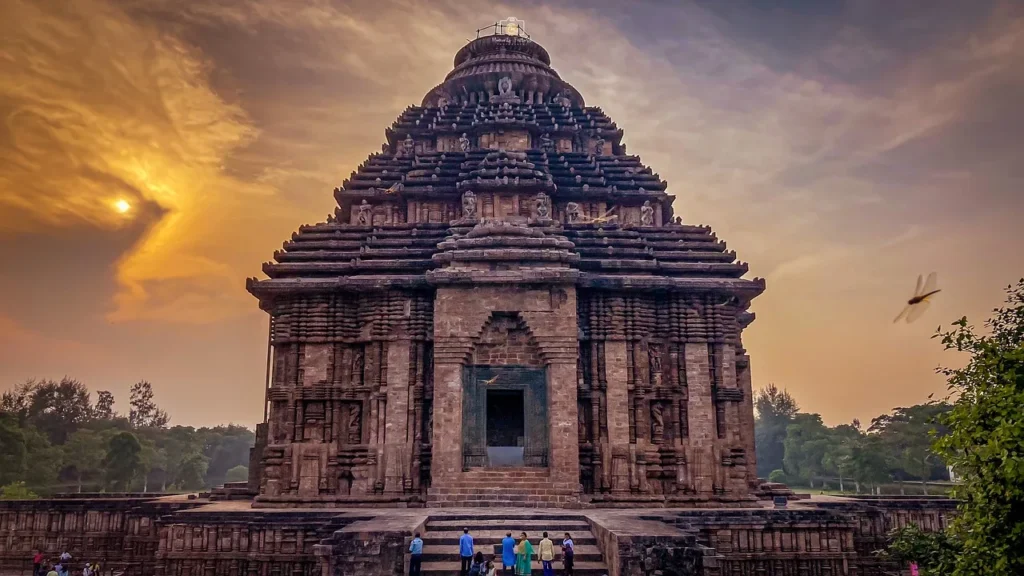
- The universally acknowledged ancient architecture, representing richly diverse monuments, time-tested belief systems, unique practices, and the pride in upholding what we consider extremely crucial to our existence, makes us what we are. However, the moot point to ponder over here is how effective we are at ensuring our inheritance is not only carried forward in the true sense in which those were constructed, but also ensures that those are preserved for future generations to come. And India is also blessed with innumerable festivities dotting the landscape around the year. The question to be asked is why there is such a mismatch between India’s cheerful festive aesthetic and its dreary public spaces. No easy answers will be forthcoming.
PC: Explore India Tours
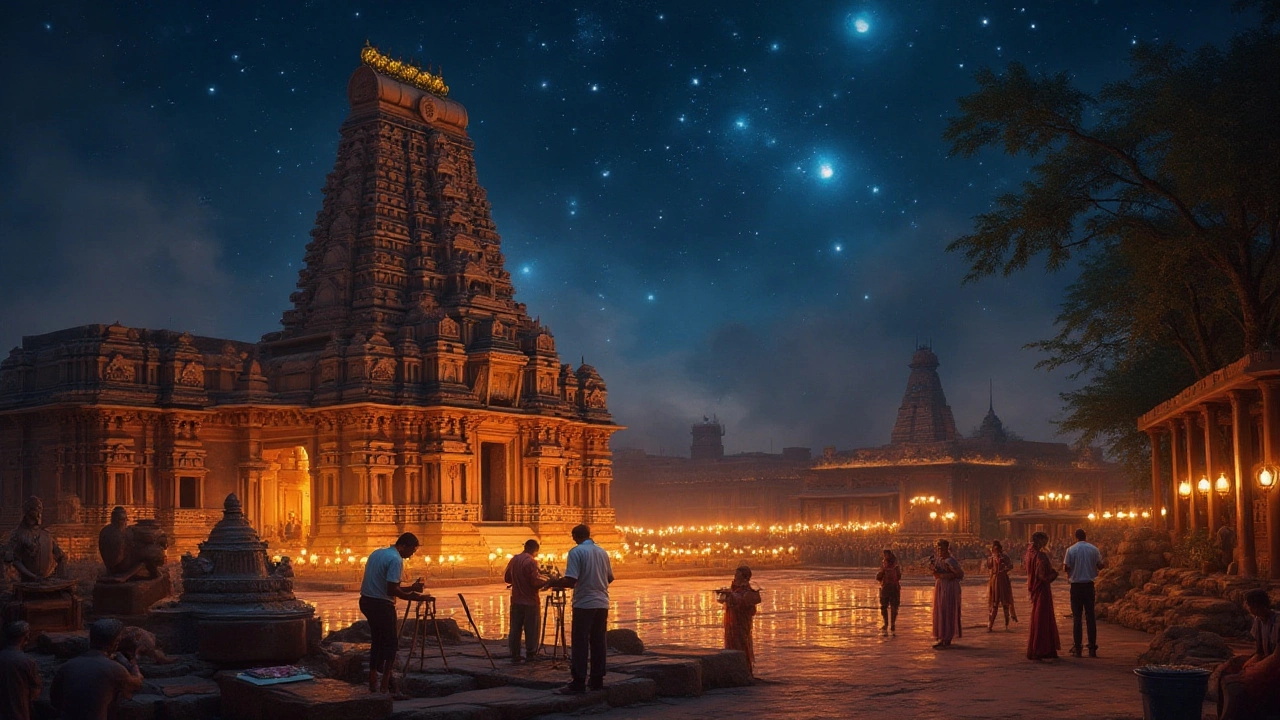
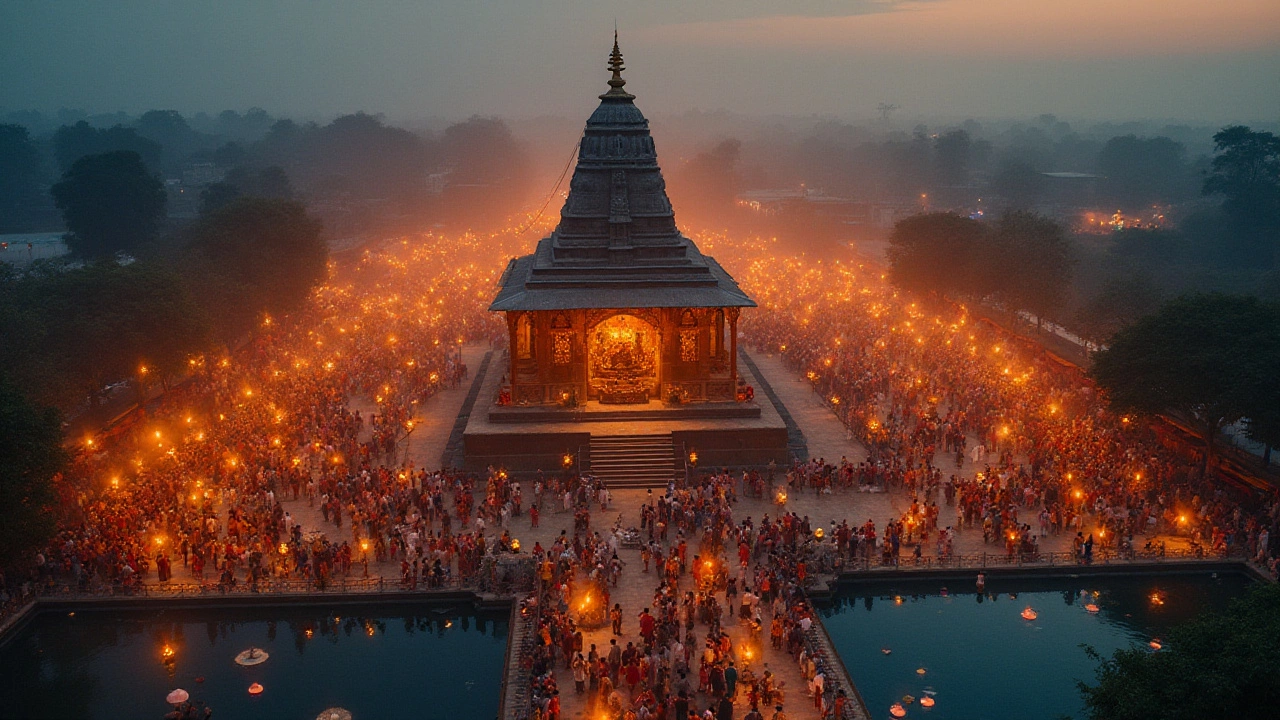
- Mind you, no Indian festival is not a splash of colours and art. New attire, kitschy to bling to charming aesthetics. Feasts where display is as much art as culinary delight. Lights, warm glows to flashy neons. All gone when festivities end and cities crawl back to a littered, dreary reality, a bleak everydayness. New-fangled buildings are an eyesore, essential internet connectivity is a bird’s nest of ugly cables, grey skies despair, and traffic woes are soul-destroying. India is her artisans, and her diverse architectural styles, sustainable designs tailored to local climate conditions. So, it is a tragedy that such master craft – art to climate-resilient architecture – retained by families and communities has been allowed to decay into being touristy curiosities.
PC: Explore India Tours
- If only these were standardized, modernized, and codified to allow the principles and practices to be taken to a cost-effective scale. After all, it is this very art and science that still shape composites of every festival. Instead, we must tolerate the rash of energy-guzzling office buildings and claustrophobic housing complexes. But it’s never too late to infuse urban sprawls with a dash of life and soul. No one is asking for ambitious plans like Saudi Arabia’s placemaking cities – futuristic, theme-based mega projects to make livable cities designed to reshape the kingdom. Indian cities are turning into a concretised grimace of late. Does it have to be this way? Most certainly not. Our festivals, barring the noise, tell stories. There’s no reason our cities can’t. It only needs imagination.