

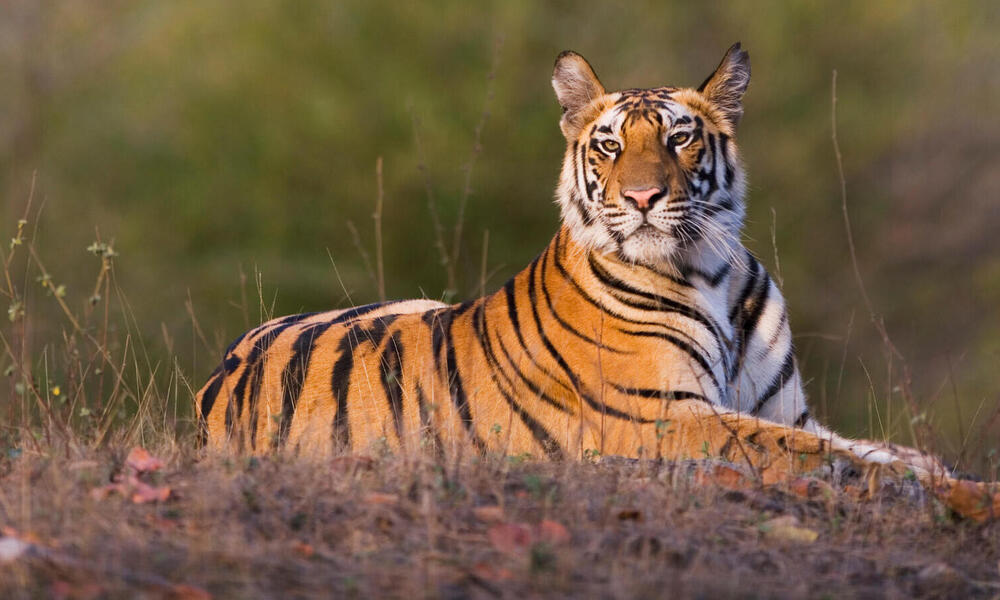
- For any animal lover, or for that matter, any human being, looking at one of the most ferocious and magnificent predators like a tiger would be a goosebump moment with unadulterated excitement running down the spine. The majestically built tiger walking royally with a typical gait, showcasing nonchalance, strength, and magnificence, is a sight to behold for anybody, let alone animal activists. We all have seen the animal in captivity. But watching the terrific adult Tiger traversing in a natural habitat like a forest is an out-of-the-world experience. The mostly reclusive animal was almost on the verge of extinction in India and the world, but thankfully has been revived owing to the concerted efforts of all the stakeholders in conserving it.
PC: Indiaspend
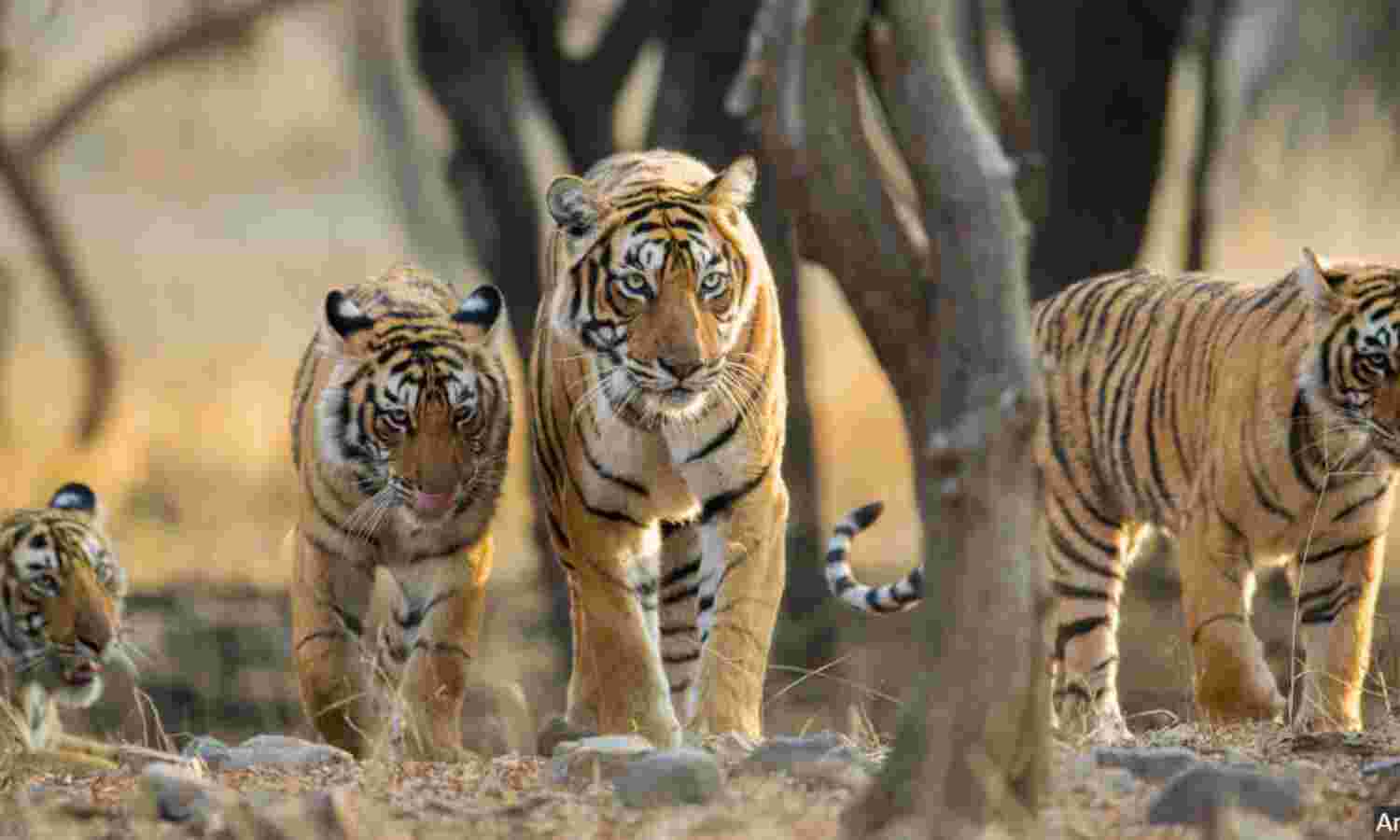
- However, revival has brought its own set of challenges in the form of human-animal conflict out into the open. Due credit should accrue to the successive Union Governments for pushing ahead with the conservation efforts of the royal beast. Now, those efforts have borne significant fruit with the animal population thriving in the country. Inarguably, tiger conservation has been a great success in India, but not without a fight, though. As such, more needs to be done. As humans place evermore pressure on land, the snappy tiger or the tribal quip is no longer a wisecrack. Instead, it captures the strain between conservationists and tribal rights activists – a rather hopeless approach to both tiger conservation and efforts to ensure tribes exercise their forest rights.
PC: X
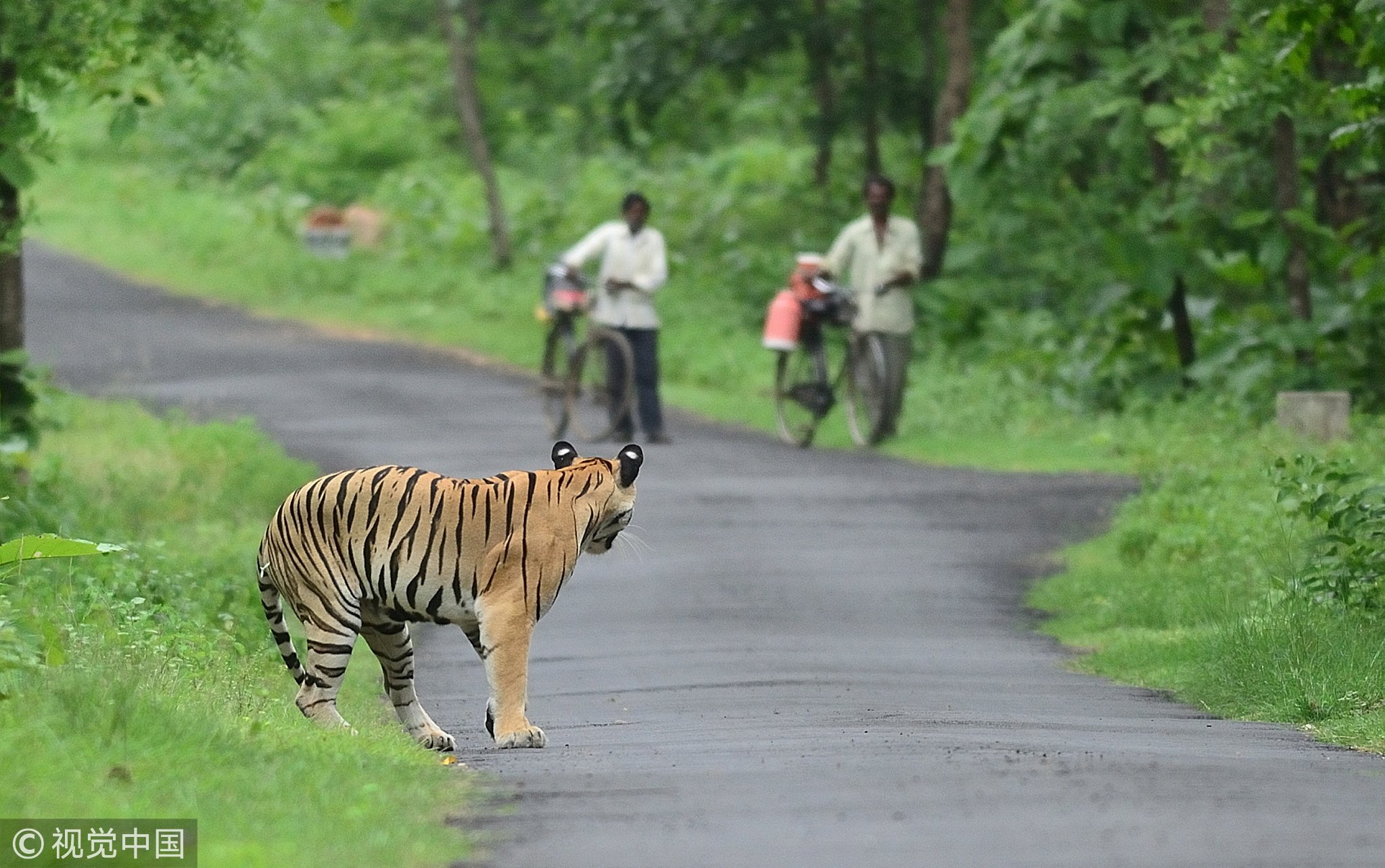
- Needless to mention, it cannot, must not, be one or the other. Man-animal conflicts are increasing as human habitation expands into dense jungles and ever-high mountainsides, as roads swallow up forests, and extreme weather makes forests water scarce. Add to that high-tech poaching – 100 tigers are killed in three years, according to a recent investigation carried out by a reputed newspaper. And it’s easy to see why, despite India’s brilliant tiger conservation efforts of 50 years, challenges to protect the big cat remain just as tough. India’s tiger mission has achieved much, but not without a fight. Not one step has been smooth or easy. Multiple groups and officials at multiple levels strode shoulder to shoulder to stop policy reversals, ensure assessments aren’t junked.
/newsdrum-in/media/media_files/2024/12/02/z6fAO5VHlNzhL9QnLuzk.jpg)
PC: NewsDrum
- Not to forget, counter pressures from the politically influential tourism circuit. They’ve pushed back against projects that have included oil pipelines and rail tracks inside reserves, taken govts to court, and fought hard to include local communities in critical conservation. Such commitment ensured India added its 58th tiger reserve in March. Reserves now stretch over 80k sq km across 18 tiger-range states, home to an estimated 3,682 wild tigers. Just 8 of these have over 100 tigers – far fewer than the carrying capacity, even given that habitats have shrunk by over 25% over the last decade. Tiger numbers are ever threatened – poachers within tribal groups find it a lucrative livelihood option. Hard-fought win in tiger conservation should not be lost. Period. tiger conservation, India, human-animal conflict, habitat loss, poaching, forest reserves, wildlife protection, tribal rights, tourism, government efforts, extinction prevention, conservation success, challenges, population recovery, tiger reserves, wild tigers, carrying capacity, habitat shrinkage, man-animal strain, natural habitat, magnificent predator, forest rights, policy reversals