

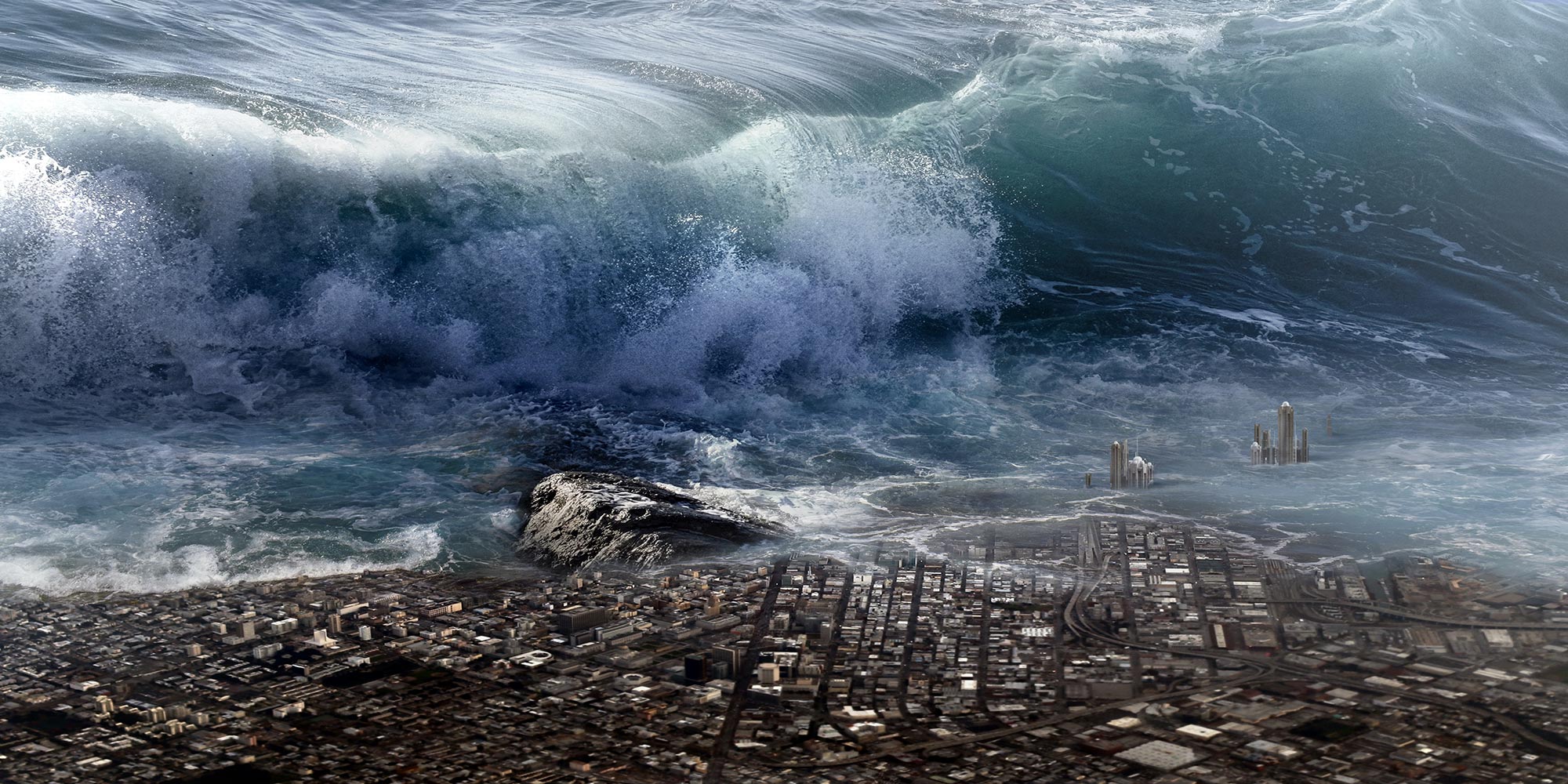
- The advancements in the field of science, space, manufacturing, automation, trade, and other allied contemporary technologies have metamorphosed into unimaginably wonderful ways for the benefit of humanity, always on the lookout for further exploration, need no further elaboration. This has been a perpetually evolving feature since ancient times, with every generation witnessing some remarkable innovations that further the cause of humanity. As Mother Nature continues to unveil previously unknown treasures, humankind continues to make advancements on the back of cutting-edge technologies. Remember, one of the most challenging aspects of humanity is to resolutely keep fighting to stay afloat despite encountering numerous challenges from nature.

PC: Interesting Engineering
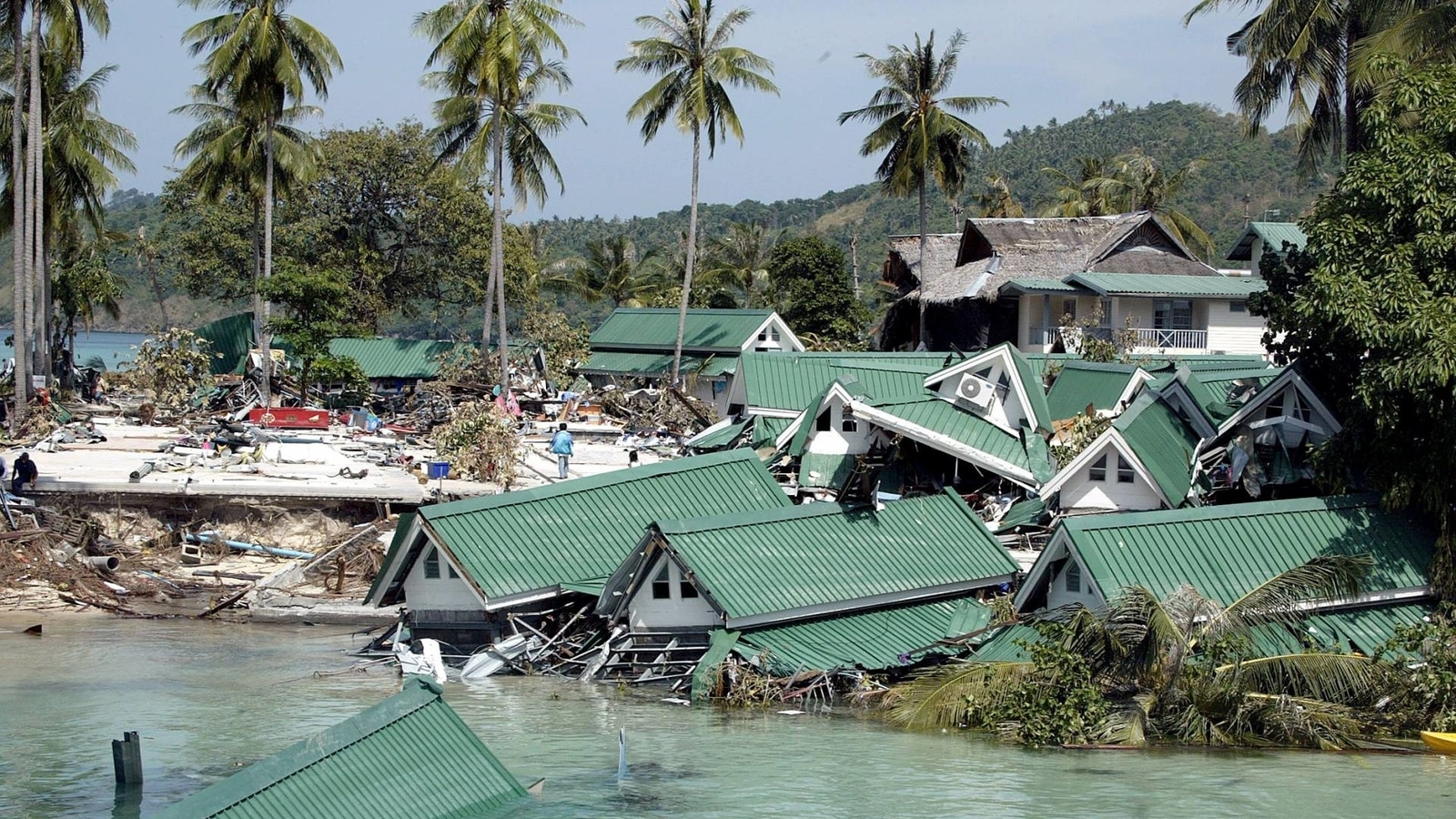
- As you are aware, humanity has fought to traverse the most ancient means of transportation, viz., oceans, since the beginning, overcoming numerous trials and tribulations along the way. Thankfully, the advent of modern technology-driven inventions has contributed magnificently in successfully predicting, preparing, and thwarting a natural occurrence like an ocean quake-driven tsunami alert. We know how the world was devastated by the 2004 tsunami, ravaging human settlements with such ferocity. This recent phenomenon was evident recently showcasing how we are better prepared this time than in earlier times. The world breathed easy as Japan and Hawaii downgraded, and Russia lifted its tsunami warnings. No casualties were reported, although damage was extensive in Russia’s coastal town of Severo-Kurilsk, battered by waves 10-13ft high.
PC: Hindustan Times
- As reported, the town’s 2,000-odd population lives on higher ground and is safe. The world was on tenterhooks because tsunamis spell devastation – almost 2.5L lost lives in 2004, over 20,000 in Japan in 2011. One reason casualties are so far nil and damage limited is that science, forecasting, and international collaboration have been involved. Scientists can predict not only when a tsunami will hit but also how much flooding there’ll be, unthinkable in 2004. That’s huge progress. Both the tech and coverage of the Pacific Ocean – where over 75% of tsunamis form – with sensors, early warning systems, and deep-ocean assessment have improved many times in the last two decades. For the uninitiated, the ocean quakes trigger waves on the ocean floor.

PC: IndiaAI
- This is the difference between a tsunami wave and a surface one. These push out with force that sensors deep in the Pacific now record via sonics and other indicators. If in 2004, there were only six such buoys, there are over 40 now scattered across seismically active regions in the Pacific Ocean. What makes a difference in impact on coastlines is the incline from the ocean floor to the coast. Sharper the incline, higher the body of water pushed up, bigger the wave. Thus, Japan is among the most vulnerable because its incline is steep. But Japan also has among the most sophisticated warning systems. An earthquake still can’t be predicted, but its epicentre can be quickly calculated and warnings issued within seconds/minutes through seismographs. Great progress indeed, helping save lives and properties and limiting damages.